


Formal Shoes: A Complete Guide to Style, Fit, and Quality
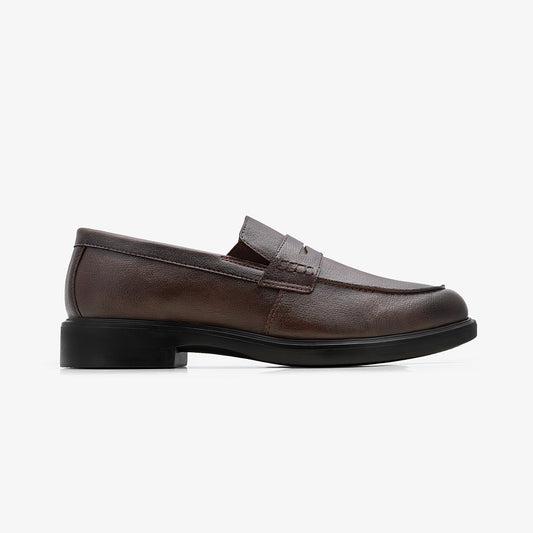
Formal shoes are more than just a wardrobe essential—they represent professionalism, confidence, and timeless style. Whether you’re dressing for a business meeting, a wedding, or a formal evening event, the right pair of formal shoes can elevate your entire appearance. Based on practical experience, material knowledge, and style expertise, this guide explains everything you need to know about formal shoes, from types and materials to fit, comfort, and long-term care.
What Are Formal Shoes?
Formal shoes are designed to be worn with professional and dress attire such as suits, tuxedos, or tailored trousers. Unlike casual footwear, formal shoes focus on clean lines, polished finishes, premium materials, and classic designs. Their primary purpose is to complement formal clothing while maintaining comfort and durability for long hours of wear.
From corporate offices to ceremonial occasions, formal shoes remain a symbol of elegance and authority.
Types of Formal Shoes
Understanding different styles helps you choose the right pair for your needs. Each type of formal shoe serves a specific purpose and dress code.
1. Oxford Shoes
Oxford shoes are the most formal option. They feature a closed-lacing system that creates a sleek and refined look. Ideal for business meetings, formal events, and black-tie occasions, Oxfords are best paired with suits or tuxedos.
2. Derby Shoes
Derby shoes have an open-lacing system, making them slightly less formal but more comfortable for wider feet. They are versatile and suitable for office wear, business casual outfits, and semi-formal events.
3. Loafers
Formal loafers offer a balance between elegance and ease. Slip-on in design, they are perfect for professionals who want a polished look without compromising comfort. Leather loafers work well with tailored trousers and smart suits.
4. Monk Strap Shoes
Monk strap formal shoes feature a buckle instead of laces, offering a distinctive and stylish appearance. They are popular among professionals who want a modern yet formal look.
Choosing the Right Material
Material plays a crucial role in the durability, appearance, and comfort of formal shoes.
Genuine Leather
Leather is the most trusted and widely used material for formal shoes. It is breathable, durable, and molds to your feet over time. High-quality leather also develops a rich patina, enhancing its appearance with age.
Patent Leather
Patent leather formal shoes are highly polished and commonly worn for weddings and black-tie events. While visually striking, they are less suitable for daily use.
Synthetic Materials
Synthetic formal shoes are more affordable but usually lack breathability and long-term durability. They may be suitable for occasional wear but are not ideal for daily professional use.
Importance of Fit and Comfort
Experience shows that even the most stylish formal shoes can become unusable if the fit is incorrect. Proper fit ensures comfort, posture support, and foot health.
-
Ensure there is enough toe room without excessive space
-
The heel should fit snugly without slipping
-
Walk around before purchasing to check pressure points
-
Choose cushioned insoles for long working hours
Well-fitted formal shoes reduce fatigue and improve confidence throughout the day.
How to Style Formal Shoes
Formal shoes should always complement your outfit rather than overpower it.
-
Black formal shoes pair best with black, charcoal, or navy suits
-
Brown formal shoes work well with blue, grey, and beige suits
-
Loafers are ideal for smart-casual or business-casual attire
-
Match your belt color with your formal shoes for a cohesive look
Attention to these details reflects professionalism and style awareness.
Caring for Formal Shoes
Proper care significantly extends the life of formal shoes and preserves their appearance.
-
Clean leather shoes regularly with a soft cloth
-
Use quality shoe polish to maintain shine and color
-
Store shoes with shoe trees to retain shape
-
Avoid wearing the same pair daily to allow them to breathe
-
Keep shoes away from excessive moisture and heat
Consistent care demonstrates responsibility and enhances the value of your investment.
Why Investing in Quality Formal Shoes Matters
From an expert perspective, high-quality formal shoes offer long-term benefits. They last longer, provide better comfort, and maintain their appearance even after years of use. In professional environments, well-maintained formal shoes also influence first impressions and perceived credibility.
Cheaper alternatives may save money initially, but they often require frequent replacement and can cause discomfort or foot issues over time.
Final Thoughts
Formal shoes are a critical part of any professional wardrobe. By choosing the right style, material, and fit—and maintaining them properly—you ensure comfort, confidence, and a polished appearance in every formal setting. Whether you prefer classic Oxfords or modern loafers, investing in quality formal shoes is an investment in your professional image and long-term comfort.

 English
 French
 Spanish
 Portuguese
 Deutsch
 Turkish
 Dutch
Dutch
 Italiano
 Russian
 Romaian
 Portuguese (Brazil)
 Greek
Greek