


Why NFC Business Card Is the Future of Business Meetings
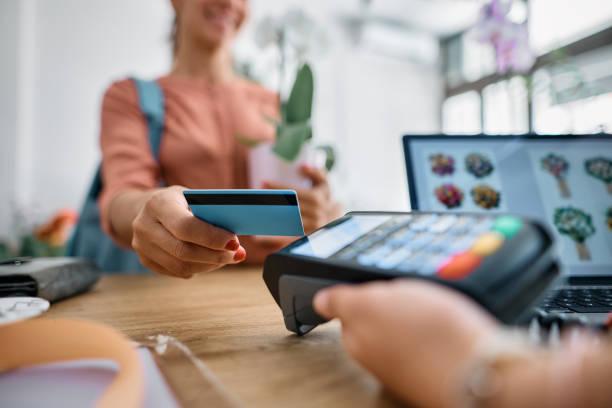
Picture this: You're at a bustling networking event, juggling a coffee cup, your phone, and a stack of business cards that's getting increasingly crumpled in your pocket. Someone approaches you with an exciting collaboration opportunity, and as you fumble through your belongings, half your cards scatter across the floor. Sound familiar?
Now imagine a different scenario. You simply tap your sleek digital card against their phone, and instantly, all your contact information, portfolio links, and social media profiles transfer seamlessly. No fumbling, no mess, no outdated information. This isn't science fiction—it's the reality of NFC business cards, and they're revolutionizing how professionals connect in the digital age.
What Exactly Is an NFC Business Card?
An NFC business card uses Near Field Communication technology to share your professional information wirelessly with a simple tap. NFC is the same technology that powers contactless payments through Apple Pay and Google Wallet, making it already familiar to billions of smartphone users worldwide.
Unlike traditional paper cards, NFC cards contain a tiny embedded chip that stores your digital information. When you tap or bring the card close to an NFC-enabled smartphone—which includes virtually all modern devices—it triggers an instant data transfer. The recipient doesn't need a special app or complicated setup. The information simply appears on their screen, ready to save or view.
These cards come in various formats, from standard card-sized designs that fit perfectly in your wallet to innovative alternatives like key fobs, phone stickers, or even wearable accessories. The flexibility means you can choose what works best for your lifestyle and professional needs.
The Technology Behind the Magic
Near Field Communication operates on electromagnetic radio fields to enable communication between devices within a few centimeters of each other. This short-range characteristic actually enhances security—someone can't steal your information from across the room. The technology has been around since the early 2000s but has only recently become sophisticated and affordable enough for widespread business card adoption.
The NFC chip in your business card can store various types of data, including contact details (name, phone number, email), website URLs, social media profiles, portfolio links, video introductions, and even calendar booking links. When someone taps their phone to your card, the chip transmits this information using radio frequency identification technology, creating an almost magical user experience.
What makes this particularly powerful is the programmability. Most quality NFC business cards allow you to update your information remotely through a web dashboard or mobile app. This means the card you handed out six months ago will always display your current information, even if you've changed jobs, phone numbers, or added new social media accounts.
Why Traditional Paper Cards Are Becoming Obsolete
Let's address the elephant in the room: paper business cards have served us well for centuries, but they're showing their age in our digital-first world. The average professional receives dozens of paper cards at networking events, and studies show that 88% of these cards get thrown away within a week. That's not just wasteful—it represents countless missed opportunities.
Paper cards become outdated the moment you change any detail. Got a promotion? Changed your email? Moved offices? Every paper card you've distributed now contains incorrect information, potentially sending contacts to dead ends. With professionals changing jobs more frequently than ever—averaging 12 jobs throughout their careers—this creates a significant communication breakdown.
There's also the environmental impact to consider. Americans alone exchange approximately 10 billion business cards annually, and most end up in landfills. If you care about sustainability (and increasingly, your clients and partners do too), continuing to use paper cards sends a contradictory message about your values and awareness of modern solutions.
The Convenience Factor That Changes Everything
The true beauty of NFC business cards lies in their convenience for both parties. For you as the card owner, there's no more carrying bulky cardholders or worrying about running out of cards at crucial moments. One NFC card can be tapped thousands of times without degrading or depleting.
For recipients, the benefits are equally compelling. They don't need to manually type your information into their phone—a process prone to errors and often delayed until "later" (which never comes). Instead, your contact details flow directly into their device, where they can immediately save it to their contacts, send you an email, or connect on LinkedIn.
This immediacy dramatically increases the likelihood of follow-up. When networking, timing is everything. The easier you make it for someone to contact you, the more likely they will. NFC cards eliminate friction from the connection process, turning casual encounters into genuine business relationships.
Making Powerful First Impressions in the Digital Age
First impressions matter tremendously in business, and your business card often forms part of that initial judgment. Handing someone a traditional paper card in 2025 can inadvertently signal that you're behind the times or resistant to innovation. Conversely, using an NFC card positions you as forward-thinking and tech-savvy.
The "wow factor" of tapping your card and watching information instantly appear on someone's phone creates a memorable moment. In a sea of forgettable interactions at networking events, being memorable gives you a significant competitive advantage. People are more likely to remember and contact the person who made their experience easier and more impressive.
Beyond the technology itself, NFC cards offer superior design opportunities. Without the need to cram phone numbers and addresses into limited space, you can create minimalist, elegant designs that truly reflect your brand identity. Many professionals opt for premium materials like metal or wood embedded with NFC chips, creating sophisticated conversation starters.
Cost-Effectiveness Over Time
While NFC business cards have a higher upfront cost than paper—typically ranging from $20 to $100 depending on materials and features—they prove more economical over time. Consider that quality paper cards cost $50-100 per 500 cards, and many professionals need multiple reprints annually as information changes.
An NFC card never needs reprinting. Update your phone number, job title, or portfolio—the card adapts automatically. For entrepreneurs, freelancers, and sales professionals who network extensively, this eliminates the recurring expense of card printing while ensuring accuracy.
There's also the hidden cost of lost opportunities with paper cards to consider. When someone tosses your paper card or types your email incorrectly, that's a potential client or partnership gone. NFC cards' higher connection success rate translates directly to more business opportunities, making them an investment rather than an expense.
Seamless Integration with Digital Workflows
Modern business operates digitally, yet traditional networking has remained stubbornly analog. NFC cards bridge this gap perfectly. When someone taps your card, they can be directed to a customized landing page that serves as your digital hub—featuring your portfolio, testimonials, booking calendar, and more.
This integration extends to CRM systems and marketing automation. Many NFC card platforms offer analytics showing who's tapping your card, when, and where. This data helps you track networking ROI and follow up strategically. Some advanced systems even integrate directly with customer relationship management software like Salesforce or HubSpot, automatically adding new contacts to your database.
For teams and organizations, NFC cards offer centralized control. Marketing departments can ensure brand consistency across all employee cards while allowing personalization for individual roles. When someone leaves the company, their card can be deactivated remotely, maintaining security and professional boundaries.
Environmental Sustainability and Corporate Responsibility
Sustainability isn't just a buzzword—it's a business imperative. Consumers and partners increasingly evaluate companies based on environmental practices. By 2025, studies show that 73% of millennials are willing to pay more for sustainable offerings, and this extends to how they judge business practices.
NFC business cards virtually eliminate paper waste from networking. One durable card replaces hundreds or thousands of paper cards throughout its lifetime. For companies with large sales forces or extensive networking activities, this represents a significant reduction in environmental footprint.
The sustainability message also resonates in conversations. When you explain that your NFC card is your contribution to reducing waste, it opens doors to discuss your broader environmental commitments. This shared value can strengthen business relationships, particularly with environmentally conscious partners and clients.
Enhanced Functionality Beyond Basic Contact Sharing
NFC business cards aren't just digital versions of paper cards—they're multifunctional tools that can transform how you network. Beyond sharing contact information, you can program them to perform various actions: directing recipients to your latest presentation or portfolio, prompting them to schedule a meeting through your calendar app, or sharing your WiFi credentials at your office or event booth.
Some professionals use their NFC cards to share video introductions, creating a richer first impression than text alone. Others link to digital brochures, case studies, or product demonstrations. Real estate agents might link to virtual property tours, while consultants could share client testimonials or white papers.
The interactive nature makes follow-up more engaging. Instead of a static piece of paper, you're providing an experience and immediate value. This positions you as a resource rather than just another contact, increasing the likelihood of meaningful business development.
Privacy and Security Considerations
With digital information sharing comes legitimate privacy concerns, but NFC cards are actually more secure than many alternatives. The close-proximity requirement means someone must be within inches of your card to access information—unlike QR codes, which can be photographed from across a room.
You maintain complete control over what information you share. Unlike social media profiles or paper cards that display everything permanently, you can customize what data appears when someone taps your card. Want to share your email but not your phone number with certain contacts? You can create different profiles for different contexts.
Reputable NFC card providers employ encryption and secure servers to protect your data. Many also offer features like tap tracking, so you know when and where your card has been accessed. If your physical card is lost or stolen, you can deactivate it remotely, preventing unauthorized access to your information—something impossible with paper cards.
The Networking Advantage at Events and Conferences
Trade shows and conferences present unique networking challenges. You meet dozens of people in rapid succession, and distinguishing yourself becomes critical. NFC cards excel in these high-volume environments because they're faster and more memorable than paper exchanges.
While others are scribbling notes on paper cards or typing contacts manually, you're completing exchanges in seconds and moving to substantive conversation. This efficiency means you can make more quality connections in less time. The memorability factor also works harder at crowded events where people meet countless others—your innovative approach helps you stand out.
Many NFC cards include analytics that track when and where taps occur. This geolocation data helps you remember context after events. Seeing that someone tapped your card at the hospitality suite Tuesday evening might jog your memory about that conversation, enabling more personalized follow-up.
Overcoming Adoption Barriers and Resistance
Despite clear advantages, some professionals hesitate to adopt NFC cards due to concerns about compatibility or complexity. The reality is that NFC technology works with virtually all smartphones manufactured since 2014, covering approximately 95% of devices in circulation. iPhones from iPhone 6 onwards support NFC reading natively, as do Android phones from that era.
Another concern is that older generations might not understand the technology. However, the user experience is incredibly intuitive—people already understand "tap to pay," and "tap to share" works identically. Most recipients find it delightful rather than confusing, and your brief explanation can serve as a conversation starter.
For those worried about seeming gimmicky, remember that innovation adopted early becomes standard practice later. Those using NFC cards today are pioneers; within a few years, they'll simply be keeping pace with the norm. The technology has already reached mainstream acceptance in payment systems, making the transition to contact sharing natural and expected.
Integration with Professional Branding Strategy
Your business card is a tangible representation of your personal or corporate brand. NFC cards offer unprecedented opportunities for brand expression. The physical design can be bold and minimalist since it doesn't need to display detailed information, allowing creative designs that traditional cards can't support.
The digital landing page accessed through your NFC card extends your brand experience. You control the visual design, messaging, and user journey, creating a cohesive brand impression from first tap to final action. This consistency strengthens brand recognition and professionalism.
For businesses, NFC cards can be integrated into broader marketing strategies. Campaign-specific landing pages, promotional offers for new contacts, or targeted content based on the event where the card was shared all become possible. This transforms a simple contact exchange into a sophisticated marketing touchpoint.
Real-World Success Stories and Adoption Trends
Major corporations and forward-thinking professionals are already embracing NFC technology for networking. Tech companies naturally lead adoption, but industries from real estate to healthcare are recognizing the advantages. Sales professionals report higher contact conversion rates, while recruiters find NFC cards invaluable for quickly sharing job opportunities with promising candidates.
Small business owners and entrepreneurs particularly benefit from the professional image NFC cards project. Looking established and innovative matters when competing against larger companies. The investment in NFC cards signals that you take your business seriously and stay current with technology trends.
Industry analysts project that the digital business card market will grow significantly through 2030, with NFC cards claiming the largest market share due to their ease of use and reliability. This growth trajectory suggests that early adopters will soon be joined by mainstream users, making NFC cards the expected standard rather than an impressive exception.
Making the Transition: Practical Steps Forward
Ready to join the future of business networking? Start by researching NFC card providers that align with your needs and budget. Consider factors like customization options, analytics capabilities, ease of updating information, and customer support quality. Many providers offer trial periods or money-back guarantees, reducing the risk of commitment.
Once you receive your card, practice your introduction. A simple "Let me share my contact info with you—just tap your phone here" works perfectly. Most people respond with curiosity and enthusiasm, giving you an opportunity to briefly explain the technology while demonstrating your innovative mindset.
Don't completely abandon paper cards immediately if that feels risky. Many professionals transition gradually, using NFC cards as their primary tool while keeping a few paper cards as backup. You'll quickly discover that you rarely need those backups, as NFC works smoothly in virtually all situations.
Frequently Asked Questions
Do NFC business cards work with all smartphones?
Yes, NFC business cards work with virtually all modern smartphones. iPhones from iPhone 6 onwards (released in 2014) and most Android phones from that era support NFC reading. The recipient doesn't need any special app—the phone's built-in NFC reader activates automatically when the card is brought near. This covers approximately 95% of smartphones currently in use, making compatibility a non-issue for practical purposes.
Can I update the information on my NFC card after I've given it to someone?
Absolutely! This is one of the biggest advantages of NFC cards. Most quality NFC card services provide a web dashboard or mobile app where you can update your contact information, links, and content anytime. When someone taps the card you gave them months ago, they'll see your current information, not outdated details. This means changing jobs, phone numbers, or adding new portfolio pieces never requires reprinting or redistributing cards.
Are NFC business cards expensive compared to traditional paper cards?
NFC cards have a higher initial cost, typically ranging from $20 to $100 per card depending on materials and features. However, they're more cost-effective long-term because they never need reprinting. Traditional cards cost $50-100 per batch and require reprinting whenever information changes. Since one NFC card lasts indefinitely and updates instantly, professionals who network regularly often save money within the first year while ensuring accuracy and reducing waste.
What happens if someone doesn't have an NFC-enabled phone?
While extremely rare with modern devices, most NFC cards include a backup solution. Many feature a QR code on the reverse side that works with any smartphone camera. Alternatively, you can verbally share your contact method or use a traditional backup card. However, in practice, this situation almost never occurs since NFC has been standard in smartphones for over a decade.
Is my personal information secure with an NFC business card?
NFC cards are actually more secure than traditional paper cards in several ways. The technology requires close proximity (within a few centimeters) to work, preventing unauthorized remote access. You control exactly what information is shared, unlike paper cards that display everything permanently. If your physical card is lost or stolen, you can deactivate it remotely through your provider's platform. Reputable providers use encryption and secure servers to protect your data, and you can track when and where your card has been tapped for additional security awareness.

 Arabic
 French
 Spanish
 Portuguese
 Deutsch
 Turkish
 Dutch
Dutch
 Italiano
 Russian
 Romaian
 Portuguese (Brazil)
 Greek
Greek