


Why Phlebotomy Is Essential for Aesthetic Practitioners Offering PRP Services
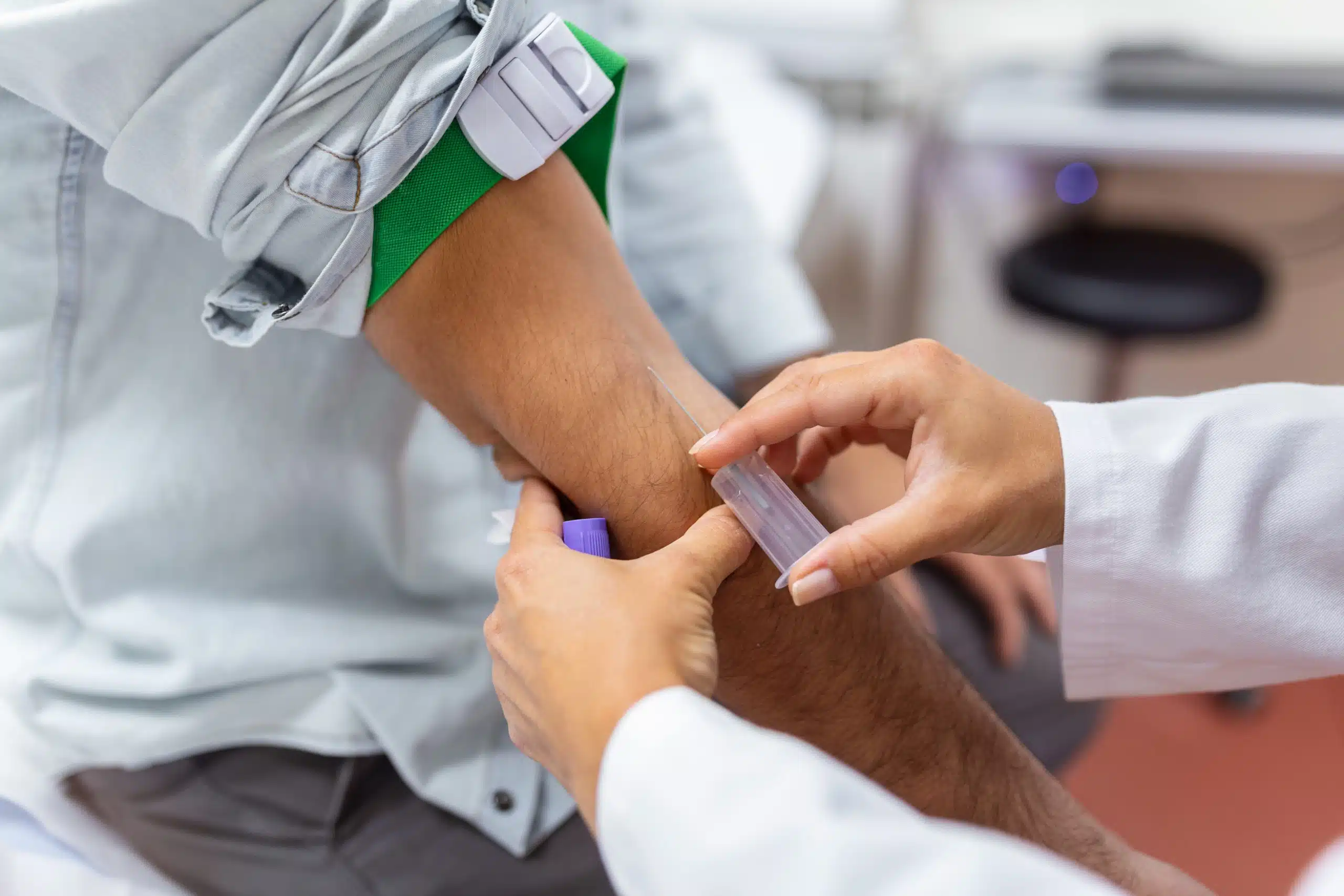
Platelet-rich plasma treatments have become a trusted option in aesthetic practice due to their natural and regenerative approach. While much attention is given to injection technique, the success of PRP begins earlier in the process. Safe blood collection plays a vital role in treatment quality, patient comfort, and clinical outcomes. This is why proper training, including the ProQual level 6 award in phlebotomy, is essential.
The Growing Role of PRP in Aesthetic Practice
PRP treatments rely on the patient’s own blood to stimulate tissue repair and regeneration. This makes the procedure both personal and clinical in nature. As demand grows, practitioners are expected to follow medical-grade standards, even within non-surgical aesthetic environments.
Blood collection is not a simple step that can be overlooked. It directly affects the quality of plasma extracted. Poor venepuncture technique can lead to clotting, contamination, or insufficient platelet concentration, reducing treatment effectiveness and patient trust.
PRP is often chosen because it is perceived as natural and low risk. However, this perception can be misleading if the procedure is not performed correctly. The blood draw sets the tone for the entire treatment process and requires the same attention as the injection stage.
This is where structured education becomes important. Programmes such as the ProQual level 6 award ensure practitioners understand both the science and responsibility involved in blood collection.
Why PRP Treatments Demand Advanced Phlebotomy Skills
PRP preparation begins with drawing blood safely and efficiently. Unlike routine injections, venepuncture requires anatomical knowledge, steady technique, and awareness of vein health. These skills cannot be developed through observation alone.
Many aesthetic clients have anxiety around needles or blood. A poorly performed blood draw can increase discomfort, bruising, or stress. This may affect the client’s willingness to continue with treatment or return for future sessions.
Incorrect blood handling can also impact platelet viability. Excessive force, poor tube selection, or delays in processing may reduce the regenerative potential of PRP. These issues are often avoidable with proper training.
For this reason, recognised qualifications such as the ProQual level 6 award in phlebotomy help practitioners deliver consistent and reliable PRP outcomes.
Benefits of Phlebotomy Training for Aesthetic Practitioners
Professional phlebotomy training strengthens both technical competence and clinical confidence. Practitioners gain a clearer understanding of blood physiology, infection control, and patient communication.
Training also prepares practitioners to manage complications calmly. This includes fainting, difficulty with veins, or unexpected bleeding. Knowing how to respond improves safety and reassures clients.
Key advantages include:
-
Improved venepuncture confidence
-
Reduced treatment complications
-
Higher patient satisfaction
-
Stronger professional credibility
Core Benefits of Formal Phlebotomy Education
Improved Venepuncture Accuracy
Training helps practitioners locate veins correctly, reducing bruising, discomfort, and repeated attempts during PRP preparation.
Better Infection Control Awareness
Structured learning reinforces hygiene protocols, lowering contamination risks in aesthetic settings.
Enhanced Patient Confidence
Calm, skilled blood collection reassures clients and improves their overall treatment experience.
Stronger Clinical Accountability
Recognised qualifications demonstrate commitment to safe, ethical practice.
Enhancing Patient Trust and Professional Reputation
Trust is central to aesthetic medicine. When treatments involve blood, clients expect professionalism and transparency. Skilled phlebotomy reassures patients that procedures are being carried out safely and responsibly. Visible signs of poor technique, such as excessive bruising or prolonged bleeding, can harm a practitioner’s reputation. Even when PRP results are positive, early discomfort may overshadow the experience. Consistent, confident blood collection improves appointment flow and reduces delays. This benefits both practitioners and clients, creating a smoother clinical environment.
Beyond technical skill, phlebotomy training improves practitioner awareness of patient well-being. Understanding how hydration, circulation, and anxiety affect blood collection allows treatments to be adjusted safely. This level of awareness reduces unnecessary discomfort and supports ethical care. Holding qualifications such as the ProQual level 6 award in phlebotomy also supports professional standing and long-term credibility within the aesthetic industry.
Career Progression and Expanding Scope of Practice
Phlebotomy training allows practitioners to expand their services while remaining within safe practice boundaries. PRP treatments can only be offered confidently when blood collection is performed correctly.
As aesthetic regulation continues to evolve, formally trained practitioners are better prepared. Phlebotomy education supports compliance with insurers, professional bodies, and clinical standards.
It also creates a foundation for further learning. Skills gained through blood collection training transfer to other regenerative and medical-aesthetic procedures.
How Phlebotomy Training Supports Career Growth
Wider Treatment Capabilities
Practitioners can offer PRP treatments independently and safely.
Increased Professional Confidence
Knowledge reduces hesitation during complex procedures.
Improved Regulatory Alignment
Training supports adherence to industry expectations.
Long-Term Career Stability
Clinical skills help practitioners adapt to industry changes.
Conclusion
Phlebotomy is a core component of safe and effective PRP treatments, not a secondary task. The quality of blood collection influences patient comfort, treatment outcomes, and professional credibility. As aesthetic practice becomes increasingly regulated, proper training is essential. For practitioners offering PRP services, developing strong clinical foundations through recognised education, such as the ProQual level 6 award in phlebotomy, supports safer practice and sustainable career growth.

 Arabic
 French
 Spanish
 Portuguese
 Deutsch
 Turkish
 Dutch
Dutch
 Italiano
 Russian
 Romaian
 Portuguese (Brazil)
 Greek
Greek