


The Role of Professional Cleaners in Workplace Hygiene
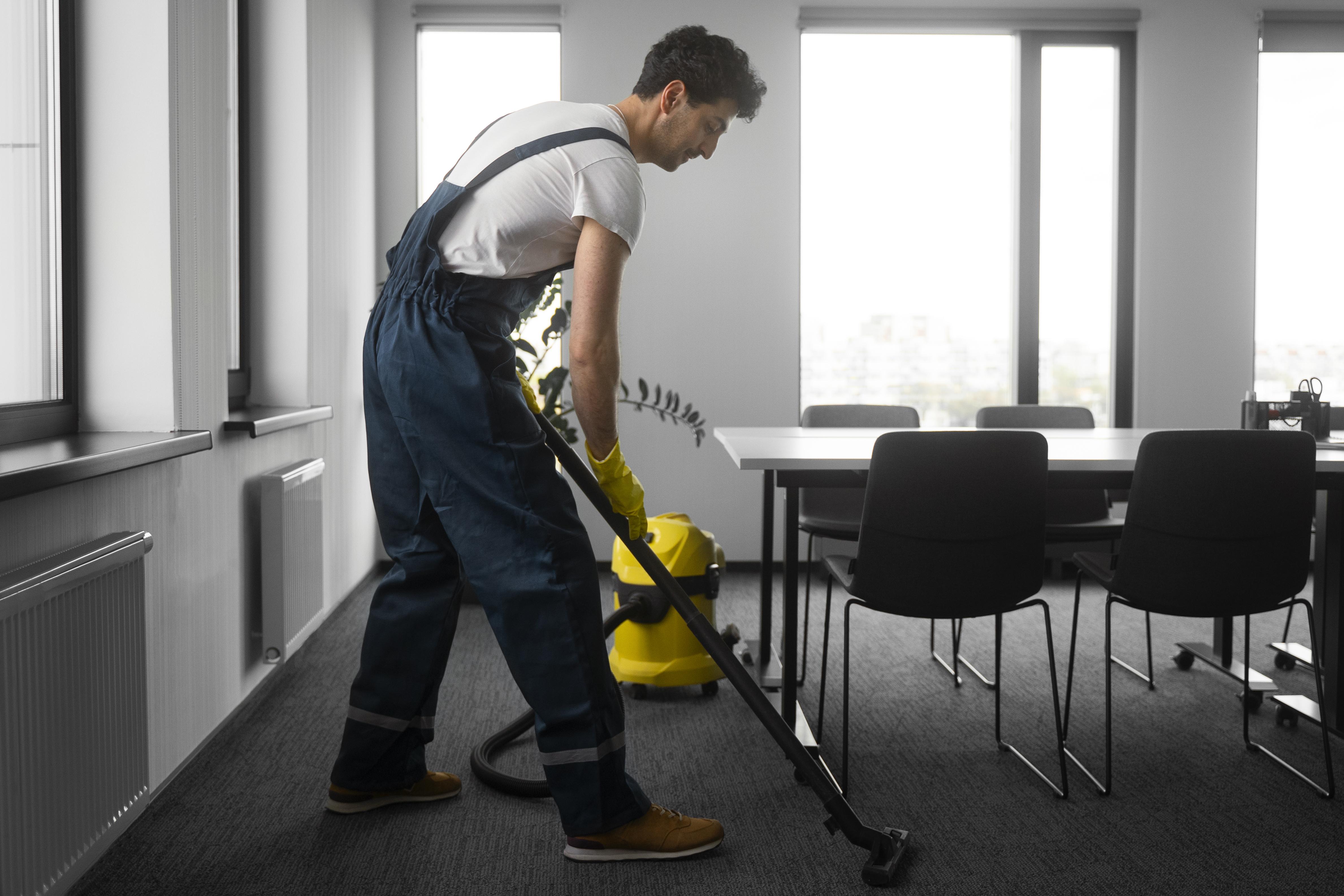
Maintaining a clean and hygienic workplace is no longer optional—it is a fundamental requirement for employee wellbeing, operational efficiency, and brand reputation. Madani cleaning service’s professional cleaners team play a crucial role in improving workplace hygiene by applying their expertise, using advanced equipment, and following strict cleaning protocols. Their contribution ensures that offices remain safe, presentable, and free from harmful pathogens.
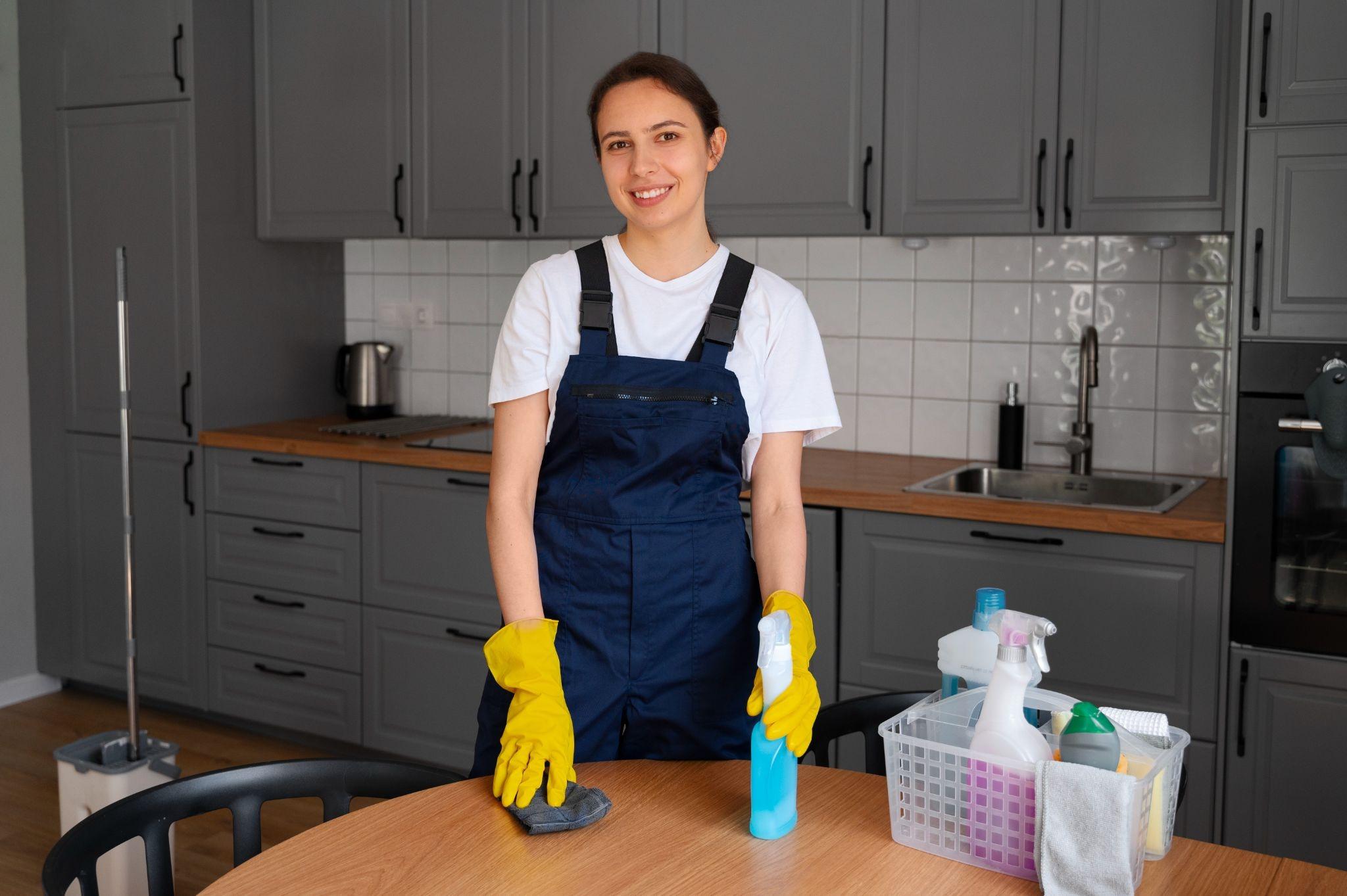
Why Workplace Hygiene Matters
A clean office is more than a neat environment—it directly influences health, productivity, and morale. Without proper hygiene standards, workplaces can become breeding grounds for bacteria, viruses, allergens, and dust. Professional cleaners address these risks through consistent and thorough cleaning procedures that align with industry best practices.

How Professional Cleaners Support a Healthier Workplace
Professional cleaners are trained to maintain high hygiene standards across all areas of an office. Their skills and systematic methods ensure thorough results that regular staff cannot achieve.
1. Expertise and High-Level Training
Professional cleaners understand cleaning science, product use, and sanitation methods. Their training ensures:
-
Proper handling of chemicals
-
Correct use of equipment
-
Knowledge of high-risk areas
-
Ability to apply infection-control practices
This expertise directly contributes to improving workplace hygiene by reducing contamination and minimising health hazards.
2. Use of Advanced Cleaning Tools and Products
Modern offices require more than basic cleaning supplies. Professional cleaners use:
-
HEPA-filter vacuums for better air quality
-
Hospital-grade disinfectants
-
Microfibre technology to capture dust effectively
-
High-temperature steam cleaners for deep sanitisation
These tools ensure a deeper and more efficient clean, enhancing hygiene standards.
3. Targeting High-Touch and High-Traffic Areas
Workplaces often overlook critical areas that accumulate germs quickly. Professional cleaners focus on:
-
Door handles
-
Light switches
-
Shared desks
-
Phones and keyboards
-
Lift buttons
-
Kitchen appliances
Their targeted approach prevents the spread of infections and supports improving workplace hygiene through consistent sanitisation.
4. Regular and Scheduled Cleaning
Ad-hoc or inconsistent cleaning leaves hygiene gaps. Professional cleaners establish a structured cleaning schedule based on:
-
Office size
-
Staff count
-
Working hours
-
Type of business
-
Level of traffic
Routine cleaning maintains long-term hygiene standards and reduces the risk of illness transmission.
5. Waste Management and Recycling Support
Proper waste disposal is essential for a hygienic office. Professional cleaners:
-
Remove rubbish promptly
-
Separate recyclables
-
Handle sanitary waste safely
-
Prevent odour build-up
-
Reduce pest risks
These practices support compliance with workplace health and safety guidelines.
6. Improving Indoor Air Quality
Dust, allergens, and pollutants can reduce air quality, causing discomfort and respiratory issues. Professional cleaners improve indoor air by:
-
Removing dust from all surfaces
-
Cleaning vents and air filters
-
Vacuuming carpets thoroughly
-
Using eco-friendly products with low chemical emissions
Better air quality improves employee comfort and productivity.
7. Supporting Employee Wellbeing and Productivity
Clean workplaces promote better wellbeing. Employees feel more motivated and valued when working in a healthy environment. Professional cleaners help:
-
Reduce sick days
-
Minimise allergy triggers
-
Create a more enjoyable workspace
-
Enhance focus and morale
This reinforces the overall goal of improving workplace hygiene and supporting a positive work culture.
Benefits of Using Professional Cleaners
Engaging professional cleaners offers long-term advantages for any workplace.
Key benefits include:
-
Consistent hygiene standards
-
Reduced illness-related absences
-
Professional-grade results
-
Time savings for staff
-
Improved company image
-
Compliant cleaning practices
-
Safer and healthier environment
These benefits highlight why businesses value professional cleaning services for maintaining workplace health and safety.
How Professional Cleaners Adapt to Modern Hygiene Demands
Today’s workplaces require more rigorous hygiene measures due to rising awareness of infectious diseases and employee expectations. Professional cleaners adapt by:
-
Using eco-friendly solutions
-
Following updated hygiene protocols
-
Applying touch-point disinfection
-
Offering deep cleaning services when needed
-
Using digital checklists for quality assurance
Their adaptability ensures workplaces remain protected and compliant.
Conclusion
Professional cleaners play a vital role in maintaining a hygienic, safe, and welcoming office environment. Through their expertise, equipment, and systematic cleaning processes, they contribute significantly to improving workplace hygiene and supporting business operations. A clean workplace is not just visually appealing—it is a key factor in employee health, productivity, and organisational success. Investing in professional cleaning services is a strategic decision that promotes long-term workplace wellbeing.
FAQs
1. Why are professional cleaners important for workplace hygiene?
Quick answer: They provide expert cleaning, eliminate germs effectively, and maintain consistent hygiene standards.
2. How often should an office be professionally cleaned?
Quick answer: Most offices require daily cleaning, with deep cleaning scheduled weekly or monthly depending on usage.
3. Do professional cleaners help reduce employee sick days?
Quick answer: Yes, by removing bacteria, allergens, and viruses, they reduce illness transmission.
4. What areas do professional cleaners focus on the most?
Quick answer: High-touch points like desks, handles, switches, and shared equipment.
5. Can professional cleaners improve indoor air quality?
Quick answer: Yes, through dust control, vacuuming, and cleaning air vents.

 Arabic
 French
 Spanish
 Portuguese
 Deutsch
 Turkish
 Dutch
Dutch
 Italiano
 Russian
 Romaian
 Portuguese (Brazil)
 Greek
Greek