


Rubber Seal Strips That Last for Years
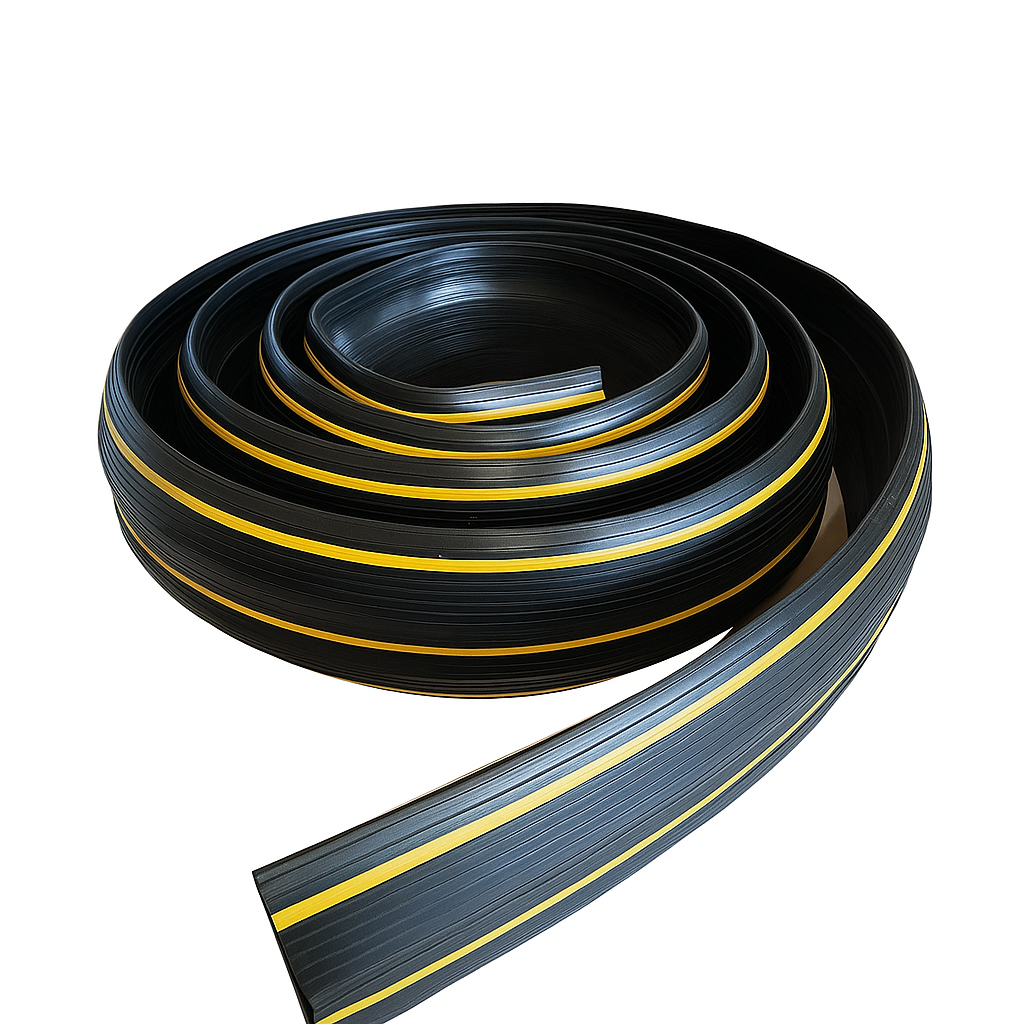
Rubber sealing strips are important parts applied widely in household doors and windows and automotive, industrial, and marine facilities. They are designed to seal air, water, dust, insects, and noise. Although it might appear that the Rubber Strips are not a lot of sophistication, such simple products must have stiffer resistance of their material, and durability has its pros and cons and will affect the machine's entire performance and even life. Not all rubber seal strips are created equal, and if they are constantly exposed to weather, movement, physical friction, or chemical contact for any extended period, this statement is even more true. Many of these degrade rapidly, turning brittle or cracking or reshaping themselves soon after. Others are designed to be there for years in even the harshest environments.
Materials That Ensure Long-Lasting Durability
The longevity of a rubber seal strip largely depends on the type of rubber used. Common materials used to make such seals include:
EPDM (Ethylene Propylene Diene Monomer) Rubber
-
EPDM is one of the most widely used materials in the production of high-quality seal strips. It enjoys the following characteristics:
-
Excellent resistance to UV rays
-
Resistance to the ozone layer and weather
-
Flexibility across a wide temperature range
Low Water Absorption
EPDM finds use in motor vehicle weatherstripping, seals for building construction, and outdoor applications. This elastomer maintains elasticity for years and hence is very practical in environments with direct sunlight and extreme shifts of temperature.
Silicone Rubber
Where high-temperature resistance is required, silicone seal strips are employed. Advantages include:
-
Withstanding up to 230°C temperatures, sometimes higher
-
Soft and highly flexible material
Odorless and Nontoxic
Silicone strips are widely used in food-grade applications, ovens, laboratories, and medical purposes. They are more costly but possess excellent aging stability.
Neoprene Rubber
-
Neoprene has good resistance to:
-
Oils and grease
-
Weather and moderate UV exposure
-
Flame and chemical exposure
-
It is normally used in marine environments and in areas of sealing exposed to oils.
Nitrile (NBR) Rubber
Nitrile works best in the presence of oil, fuel, or other petroleum-based fluids. It is less good when subjected to prolonged periods of direct sunlight. It finds its use in machinery, automotive engines, and fuel systems.
Long-Lasting Rubber Seal Strips: Key Features
Your Rubber Seal Strip is designed to last for years if it possesses the following qualities:
-
High Elasticity: It should be flexible to an extent that it will compress or return to shape without cracks.
-
Low-quality rubber is very prone to the degeneration of UV, ozone, and humidity.
-
Temperature Tolerance: A good rubber strip needs to handle both the hot summers and cold winters without hardening or melting.
-
Chemical Resistance: Where oils, fuels, cleaning chemicals, or salt water are concerned, the strip must be resistant to corrosive contact.
-
Durable Adhesion: If the strip is self-adhesive, then the tape must be strong enough to bond without peeling over time.
Applications Where Longevity Counts
-
Doors and Windows: Weatherstripping is important for keeping rooms insulated and energy bills lower while blocking any noise from outside. A long-lasting seal strip keeps drafts at bay and comfort preserved.
-
Automotive Doors and Trunks: Car door rubber seals must put up with constant slamming, vibration, heat, and sunlight exposure. EPDM is the material of choice in this respect because of its resilience.
-
Refrigerators and Freezers: Food-grade silicone rubber is used for maintaining a tight barrier to preserve the temperature and ensure energy efficiency. Durability makes the appliance last longer without repairs.
-
Industrial Machinery: Sealing prevents the leakage of fluids and dust from machinery compartments. Heavy-duty rubber seals serve to extend machine life and minimize maintenance downtime.
Conclusion
Rubber seal strips may appear to be small components in their own right; however, they serve a critical function for comfort, protection, and performance in both residential and industrial applications. Selecting only quality materials such as EPDM, silicone, neoprene, or nitrile will ensure the seal strip can endure the external challenges while protecting functionality for many years. Whether you are sealing a home window, a car door, and/or industrial or marine applications, selecting a durable seal strip will save you maintenance, cost, and premature wear and replacement.
Because you are now acquainted with rubber seal strip performance and various material types to choose from, you may feel empowered to select the appropriate strip once you understand the internal and external factors related to performance and longevity.

 English
 Arabic
 French
 Spanish
 Portuguese
 Deutsch
 Turkish
 Italiano
 Russian
 Romaian
 Portuguese (Brazil)
 Greek
Greek