


How Brisbane Car Buyers Handle Non-Running Vehicles
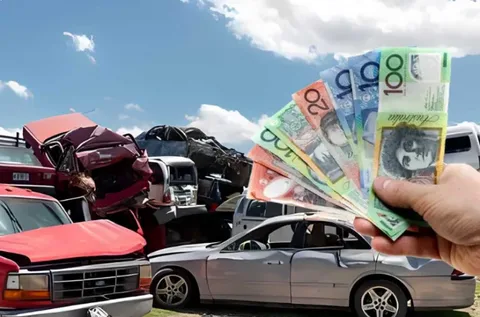
Non-running vehicles are common across Brisbane. Some stop due to engine failure. Others suffer from transmission damage, electrical faults, accident impact, or long-term neglect. Many owners feel unsure about what happens next. They may believe the car has no worth or think repairs are the only path forward.
In reality, non-running vehicles follow a structured process once sold to a car buyer. These vehicles are not treated as waste. They are assessed, dismantled, and recycled under clear industry practices in Queensland. This article explains how Brisbane car buyers handle non-running vehicles and what that means for owners.
Why Vehicles Stop Running
Understanding why cars stop running helps explain how buyers assess them.
Common causes include:
-
Engine seizure due to overheating or oil loss
-
Timing belt failure causing internal engine damage
-
Transmission breakdown
-
Battery and alternator failure
-
Fuel system blockage
-
Electrical wiring faults
-
Accident damage affecting mechanical systems
In Queensland’s climate, heat can speed up wear in cooling systems. High temperatures place pressure on hoses, radiators, and engine components. Over time, this increases the risk of failure.
When repair costs rise above market worth, owners often choose to sell rather than fix.
Initial Assessment of a Non-Running Vehicle
When a buyer evaluates a non-running vehicle, the focus shifts from drivability to material and parts condition.
The assessment usually includes:
-
Vehicle make and model
-
Year of manufacture
-
Kerb weight
-
Engine type
-
Visible damage
-
Completeness of parts
-
Presence of catalytic converter
Even if the engine does not start, many parts may still be reusable. Gearboxes, panels, wheels, radiators, and interior components may hold resale demand.
Weight also matters. Heavier vehicles contain more steel and aluminium, which increases recycling return.
Collection and Transport in Brisbane
Since the vehicle cannot be driven, transport becomes necessary. Car buyers arrange towing or tilt-tray collection. Brisbane’s suburban layout requires careful planning, especially in narrow streets or apartment complexes.
Once collected, the vehicle moves to a dismantling yard or recycling facility.
Transport costs are factored into the overall process, which is why location within Brisbane can slightly influence payment offers.
Depollution Process
Before dismantling begins, the vehicle undergoes depollution. This step is required under environmental regulations.
Fluids are removed carefully:
-
Engine oil
-
Coolant
-
Brake fluid
-
Transmission fluid
-
Fuel
-
Air-conditioning refrigerant
These substances cannot enter general waste streams. Queensland environmental guidelines require safe disposal or recycling.
Removing fluids protects soil and water from contamination. It also prepares the vehicle for dismantling.
Parts Recovery and Reuse
After depollution, usable components are removed.
Commonly recovered parts include:
-
Alternators
-
Starter motors
-
Gearboxes
-
Radiators
-
Doors and panels
-
Alloy wheels
-
Electronic modules
Used parts reduce demand for new manufacturing. This supports resource conservation. According to automotive recycling data in Australia, up to 90 percent of a vehicle by weight can be reused or recycled.
Non-running vehicles often still contain valuable parts. Mechanical failure in one area does not mean total loss of all systems.
Metal Recycling Stage
Once reusable parts are removed, the remaining shell enters metal processing.
Steel forms the majority of most vehicles. Aluminium content has increased in newer cars. Copper wiring also holds recycling demand.
The shell is crushed and sent to metal shredders. Magnets separate steel from other materials. Aluminium and copper are sorted through specialised methods.
Recycled steel returns to manufacturing industries. It may become building materials, new car components, or machinery parts.
This closed loop supports Australia’s recycling goals and reduces reliance on raw mining.
How Payment Is Calculated
Payment for a non-running vehicle depends on several factors:
-
Weight of recoverable metal
-
Market price of scrap steel
-
Condition of key components
-
Demand for specific models
-
Transport distance
Scrap metal prices change based on global demand. For example, steel prices may shift due to construction trends or export markets. This means vehicle payouts can vary across months.
A larger vehicle with intact parts usually attracts higher payment than a small, stripped shell.
Environmental Role of Car Buyers
Non-running vehicles left unattended can create risks. Fluids may leak. Rust spreads. Batteries degrade.
Licensed car buyers reduce these risks by:
-
Removing hazardous materials
-
Processing metals responsibly
-
Diverting waste from landfill
Australia maintains strong vehicle recycling rates compared to many countries. Proper handling of non-running cars supports this record.
Legal Considerations in Queensland
In Queensland, selling a vehicle involves ownership transfer. If registration has expired, additional documentation may apply.
Buyers must comply with waste management and environmental rules. This includes:
-
Proper fluid disposal
-
Safe storage of batteries
-
Accurate record keeping
Owners should ensure the vehicle is legally transferred to avoid future liability.
When Selling Makes Practical Sense
Repairing a non-running vehicle may seem appealing at first. However, when repair quotes exceed resale worth, selling becomes the logical choice.
For example:
-
Engine rebuilds can cost several thousand dollars
-
Transmission replacements often carry high labour costs
-
Electrical faults may require extended diagnostics
In many cases, the financial return after repair does not justify the expense.
A Practical Option for Brisbane Owners
When facing a non-running vehicle, many owners look for a direct solution that removes the burden without long delays. Services such as we buy cars brisbane by add your project url connect unwanted vehicles with recycling channels and parts recovery networks. This approach aligns with the structured handling process described above, where depollution, dismantling, and material recovery occur under proper guidelines.
Such services form part of Brisbane’s wider vehicle recycling system rather than operating outside it.
Common Misunderstandings
Some owners believe non-running cars are worthless. Others assume only complete vehicles can be sold.
In reality:
-
Missing registration does not remove all worth
-
Engine failure does not cancel metal recovery
-
Cosmetic damage rarely affects scrap metal weight
Understanding these points helps owners make informed decisions.
Future Outlook for Non-Running Vehicles
As electric and hybrid vehicles increase on Australian roads, handling processes will evolve. Battery recycling and rare metal recovery will become more important.
Brisbane buyers will adapt to these changes. The core principles will remain:
-
Remove harmful materials
-
Recover usable parts
-
Recycle remaining metals
Non-running vehicles will continue to form part of a structured recycling cycle.
Final Thoughts
Non-running vehicles may appear useless at first glance. However, Brisbane car buyers treat them as resource units rather than waste.
From collection to depollution, parts recovery, and metal recycling, each step follows established procedures. This system protects the environment, supports material reuse, and provides financial return to owners.
Understanding how this process works removes uncertainty. A car that no longer drives still holds material worth. When handled correctly, it enters a recycling pathway that supports both local industry and environmental responsibility.

 Arabic
 French
 Spanish
 Portuguese
 Deutsch
 Turkish
 Dutch
Dutch
 Italiano
 Russian
 Romaian
 Portuguese (Brazil)
 Greek
Greek