


Hair Repair Treatment for Every Hair Type A Complete Guide
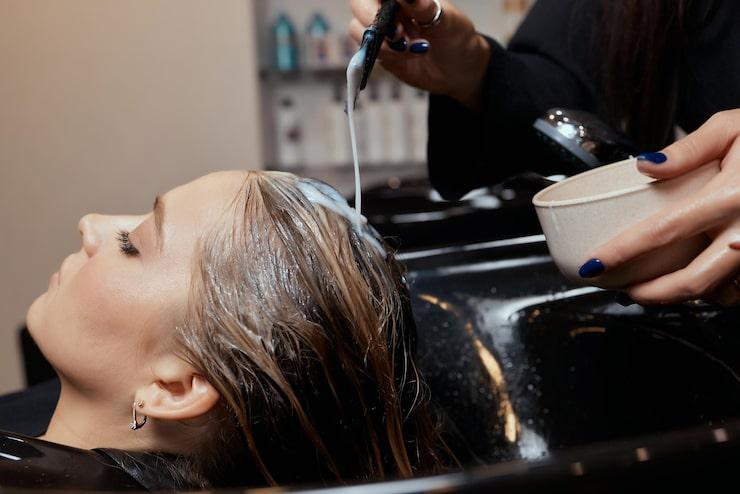
Hair repair treatment has become a crucial aspect of hair care routines, especially for individuals dealing with hair damage due to styling, environmental factors, or even genetics. Understanding the right treatment for your specific hair type can make a significant difference in restoring vitality and strength to your locks. Whether you have fine, thick, curly, or straight hair, this guide offers a comprehensive approach to achieving healthier, more manageable hair through targeted scalp treatments and hair repair treatments.
Understanding Hair Damage and Repair Needs
Hair damage occurs when the hair cuticle is compromised, leading to weakened strands that can break or become frizzy. This damage can be caused by several factors, including heat styling, chemical treatments, exposure to the sun, and harsh environmental conditions. Repairing damaged hair requires addressing the underlying issues such as dehydration, protein loss, and lack of essential nutrients. The right hair repair treatment can restore your hair’s natural strength, shine, and elasticity.
Tailoring Hair Repair Treatment to Your Hair Type
The best hair repair treatment is one that caters to your specific hair type. Hair varies from person to person, and what works for one individual may not work for another. Below, we will discuss how to choose the right treatments based on your hair texture, whether you have fine, medium, coarse, straight, wavy, or curly hair.
Fine Hair
Fine hair tends to be more susceptible to breakage and damage. The delicate nature of fine strands means they can be weighed down easily by heavy products. For fine hair, opt for lightweight, nourishing products that won't strip away moisture but provide the essential proteins to repair the hair structure. A protein-based hair mask used once a week can help strengthen the hair shaft without causing buildup. Scalp treatments, especially those with ingredients like peppermint or tea tree oil, are excellent for stimulating the roots and promoting healthier hair growth.
Medium Hair
Medium-textured hair falls somewhere between fine and coarse, making it versatile but still prone to damage. To repair medium hair, look for a balanced hair repair treatment that provides both moisture and protein. A hydrating deep conditioner that restores moisture while fortifying the hair’s protein structure will keep your hair looking healthy. You can also incorporate a scalp treatment with ingredients like biotin or keratin to improve hair health from the roots.
Coarse Hair
Coarse hair, often associated with thick, unruly strands, requires intensive moisture and nourishment. A rich, moisturizing hair repair treatment works wonders for this hair type. Look for oils like argan oil, coconut oil, and shea butter, which penetrate deeply to hydrate and soften coarse hair. Using a heavier, restorative treatment such as a creamy mask or leave-in conditioner will provide long-lasting moisture and reduce frizz. Additionally, a nourishing scalp treatment using soothing ingredients such as aloe vera or jojoba oil can help keep the scalp balanced and promote hair growth.
Curly Hair
Curly hair has unique needs due to its structure, which can often lead to dryness and frizz. Hair repair treatments for curly hair should focus on hydration and frizz control. Look for treatments that provide deep moisture and improve the curl definition. A leave-in conditioner or curl cream with ingredients like glycerin or honey will lock in moisture and help repair damaged curls. Regular scalp treatments using oils such as castor oil can also prevent dryness and encourage healthy hair growth by stimulating the scalp.
Straight Hair
Straight hair tends to show damage more easily because it lacks the natural curl to disguise imperfections. This type of hair requires repair treatments that focus on restoring shine and smoothing the hair cuticle. A light, protein-rich treatment can help restore structure without leaving hair heavy or greasy. Scalp treatments that promote circulation and strengthen hair follicles are beneficial for preventing thinning and breakage. Regular use of a nourishing shampoo and conditioner can also keep straight hair looking sleek and healthy.
The Importance of Scalp Treatment in Hair Repair
Scalp health plays a crucial role in the overall health of your hair. A well-balanced scalp ensures that your hair grows optimally and can recover from damage more efficiently. Scalp treatment is essential for removing buildup from hair products, excess oils, and impurities, which can block hair follicles and hinder growth. Incorporating regular scalp treatments into your routine can stimulate circulation, encourage hair growth, and prevent conditions like dandruff or oily scalp.
How to Choose the Right Scalp Treatment
When selecting a scalp treatment, consider the specific needs of your scalp. If you have a dry scalp, opt for treatments with hydrating ingredients like coconut oil or aloe vera. For an oily scalp, choose products containing tea tree oil or witch hazel to balance sebum production. Those with sensitive scalps may benefit from calming ingredients like chamomile or lavender. Regular scalp massages with natural oils can also enhance blood circulation, which can further promote healthy hair growth.
DIY Hair Repair Treatment Recipes
For those who prefer a natural approach, several DIY hair repair treatment can be made using simple ingredients from your kitchen. Here are a few effective treatments:
-
Avocado and Honey Mask
Combine mashed avocado with honey and olive oil. The healthy fats from avocado, combined with the humectant properties of honey, can deeply moisturize and repair dry, damaged hair. -
Coconut Oil and Aloe Vera Treatment
Coconut oil is known for its ability to penetrate the hair shaft and restore moisture. Aloe vera, on the other hand, helps soothe the scalp. Together, these ingredients can hydrate, nourish, and repair damaged hair. -
Egg and Yogurt Protein Mask
Eggs are rich in proteins that help rebuild the hair shaft, while yogurt helps soften the hair. This treatment is ideal for strengthening hair and preventing breakage.
Hair Repair Treatment Tips
-
Always choose treatments that align with your hair’s unique needs. Overusing heavy products on fine hair, for example, may lead to buildup.
-
Use a deep conditioner once a week to maintain the health and structure of your hair.
-
Don't forget to incorporate scalp treatments to address the root of the problem.
-
Be consistent with your treatments; repairing hair takes time, and regular use of the right products will yield the best results.
Conclusion
Whether you have fine, thick, curly, or straight hair, repairing and nourishing your hair is possible with the right treatments. Make sure to choose a hair repair treatment that suits your specific hair type and needs. Incorporating regular scalp treatment can also enhance the health of your hair and promote growth. With patience and the right care, your hair will regain its natural shine, softness, and strength.

 Arabic
 French
 Spanish
 Portuguese
 Deutsch
 Turkish
 Dutch
Dutch
 Italiano
 Russian
 Romaian
 Portuguese (Brazil)
 Greek
Greek