


Water Ring Vacuum Pump: Working Principle, Applications, and Operational Considerations in the United States
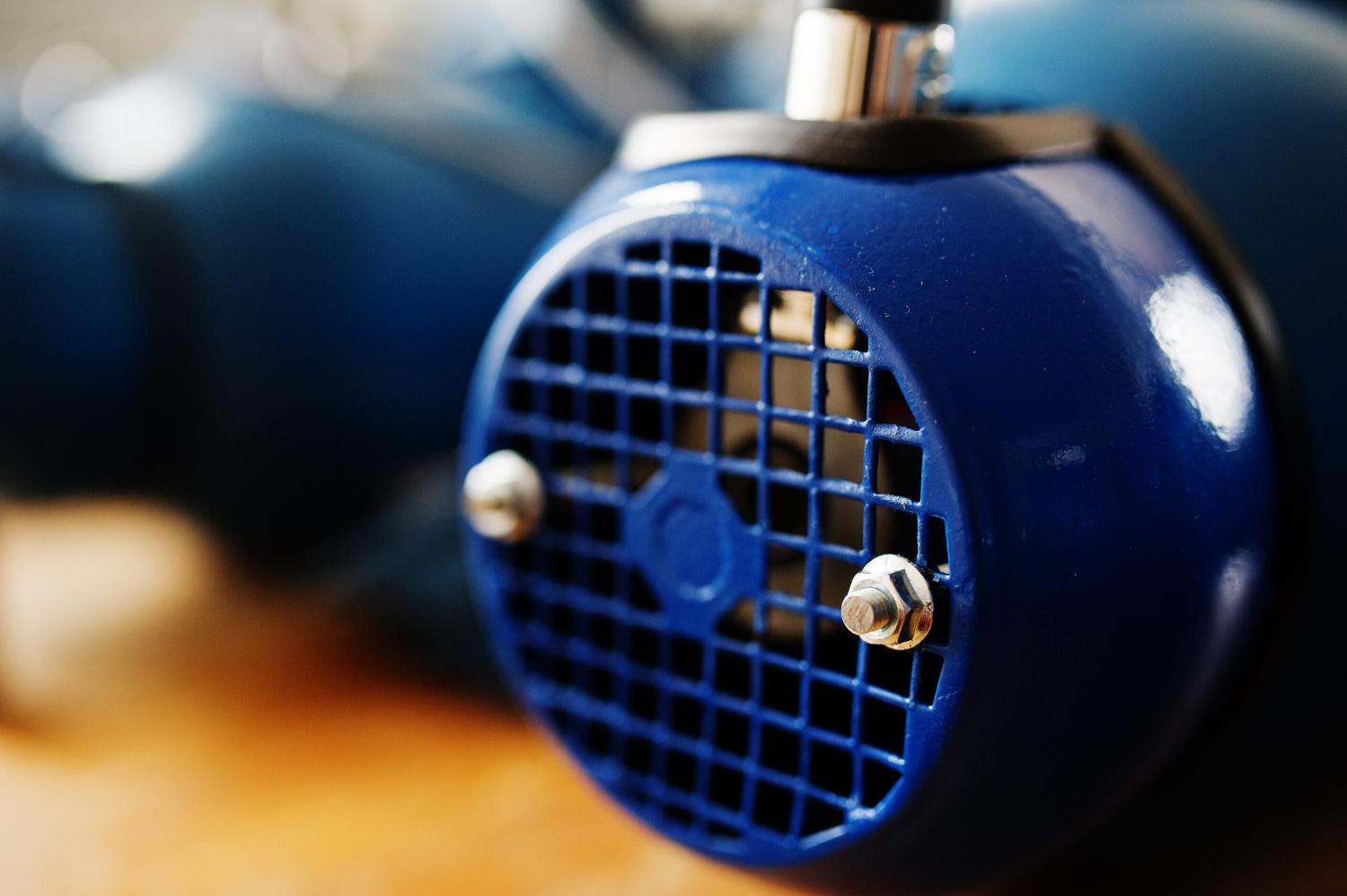
Industrial operations throughout the United States rely on dependable vacuum systems to support manufacturing, energy production, chemical processing, wastewater treatment, and food manufacturing. Among the various technologies available, the Water Ring Vacuum Pump remains a widely used solution due to its durability, moisture tolerance, and straightforward mechanical design. Known for its ability to handle wet gases and vapor-laden streams, this pump type plays a critical role in heavy-duty industrial environments.
The Water Ring Vacuum Pump, sometimes referred to as a liquid ring vacuum pump, is particularly valued in industries where process conditions involve condensable vapors, entrained liquids, or contaminants that could damage other vacuum technologies. This article provides a comprehensive overview of how the Water Ring Vacuum Pump operates, its key components, maintenance practices, advantages, limitations, and its relevance across U.S. industries.
Understanding the Working Principle of a Water Ring Vacuum Pump
The Water Ring Vacuum Pump operates on a relatively simple but effective mechanical principle. It consists of an impeller mounted eccentrically within a cylindrical casing. Before operation begins, the casing is partially filled with a sealing liquid, most commonly water.
When the impeller rotates:
-
Centrifugal force pushes the liquid outward, forming a rotating ring against the inner wall of the casing.
-
Because the impeller is offset from the center of the casing, the distance between the impeller hub and the liquid ring varies during rotation.
-
This variation creates expanding and contracting chambers between the impeller blades.
-
As the chamber volume increases, gas is drawn into the pump (suction phase).
-
As the chamber volume decreases, the gas is compressed and discharged (compression phase).
The liquid ring acts as both a seal and a cooling medium. It absorbs heat generated during compression and prevents metal-to-metal contact within the pumping chamber. This design contributes to the Water Ring Vacuum Pump’s ability to operate reliably in challenging conditions.
Core Components of a Water Ring Vacuum Pump
The effectiveness of a Water Ring Vacuum Pump depends on the coordination of several key components:
Impeller
The impeller is the rotating element that drives suction and compression. It is typically constructed from corrosion-resistant materials to withstand industrial environments.
Pump Casing
The cylindrical casing houses the impeller and supports the formation of the liquid ring. Its structural integrity is essential for maintaining vacuum pressure.
Sealing Liquid
Water is the most common sealing medium, although other compatible liquids may be used depending on the application. The liquid provides sealing, cooling, and compression support.
Shaft and Bearings
The shaft connects the impeller to the motor. Bearings ensure smooth rotation and reduce friction.
Inlet and Discharge Ports
These openings allow gas to enter and exit the pump during operation.
Routine inspection of these components ensures efficient operation and long-term reliability.
Applications of Water Ring Vacuum Pump Systems in the United States
The Water Ring Vacuum Pump is used across multiple industries due to its durability and moisture-handling capability.
Chemical Processing
In chemical plants, vacuum systems are essential for distillation, evaporation, crystallization, and solvent recovery. The Water Ring Vacuum Pump is well-suited for handling vapor streams and condensable gases.
Power Generation
Steam turbine condenser systems often rely on vacuum pumps to maintain low-pressure conditions. Water ring systems are frequently used in these applications due to their reliability.
Pulp and Paper Industry
Vacuum pumps assist in dewatering and sheet formation processes, where exposure to moisture is constant.
Food and Beverage Production
Vacuum packaging and drying operations benefit from the pump’s tolerance to water vapor and cleaning cycles.
Wastewater Treatment
Aeration systems, sludge processing, and vacuum-assisted filtration rely on pumps capable of handling contaminated gases and moisture.
These industries demand equipment capable of continuous operation under demanding conditions, making the Water Ring Vacuum Pump a common choice.
Advantages of a Water Ring Vacuum Pump
The Water Ring Vacuum Pump offers several operational benefits:
Moisture Tolerance
Unlike dry vacuum pumps, it can handle wet gases and vapor without significant performance degradation.
Low Vibration and Noise
The liquid ring dampens mechanical vibrations, contributing to quieter operation.
Simple Mechanical Design
Fewer moving parts reduce the likelihood of mechanical failure and simplify maintenance.
Continuous Duty Capability
These pumps are designed for extended operation in industrial environments.
Built-In Cooling
The sealing liquid absorbs heat generated during compression, reducing the risk of overheating.
These features make the Water Ring Vacuum Pump particularly suitable for heavy-duty industrial applications.
Operational Limitations
Despite its advantages, the Water Ring Vacuum Pump has certain limitations that must be considered in system design.
Water Consumption
Continuous operation requires a steady supply of sealing liquid. Many facilities implement recirculation systems to conserve water.
Moderate Vacuum Levels
Water ring pumps typically achieve lower vacuum levels compared to certain dry or high-vacuum technologies.
Sensitivity to Liquid Temperature
Higher sealing liquid temperatures can reduce achievable vacuum levels.
Potential for Scaling and Corrosion
Poor water quality can lead to mineral buildup or corrosion inside the pump casing.
Understanding these limitations helps facilities optimize system performance and maintenance strategies.
Maintenance Practices for a Water Ring Vacuum Pump
Routine maintenance is essential to ensure consistent performance.
Monitoring Sealing Liquid Quality
Contaminated or mineral-rich water can reduce efficiency and damage components. Regular water analysis helps prevent scaling.
Inspecting Impeller Condition
Erosion or imbalance can affect suction and compression performance. Periodic internal inspections are recommended.
Checking Bearings and Alignment
Excessive vibration may indicate worn bearings or shaft misalignment.
Cleaning Internal Surfaces
Scale buildup inside the casing can reduce pumping efficiency and increase energy consumption.
Evaluating Vacuum Performance
Monitoring suction pressure and discharge conditions helps identify early signs of operational issues.
A structured maintenance program reduces downtime and extends equipment life.
Environmental Considerations in the United States
Industrial facilities must comply with environmental regulations governing water discharge and emissions. Water Ring Vacuum Pump systems often incorporate closed-loop water recirculation to reduce environmental impact and conserve resources.
Proper wastewater management ensures that discharged sealing liquid does not introduce harmful contaminants into the environment. Facilities must also adhere to workplace safety standards related to rotating equipment and pressurized systems.
Environmental compliance is an important aspect of operating vacuum systems within the United States.
Energy Efficiency and Cost Management
Energy efficiency remains a priority for U.S. industries. While the Water Ring Vacuum Pump is valued for reliability, its efficiency depends on proper sizing and maintenance.
Energy performance can be optimized by:
-
Maintaining appropriate sealing liquid temperature
-
Preventing internal scaling
-
Ensuring proper motor efficiency
-
Avoiding oversizing
Routine maintenance reduces mechanical resistance and improves overall efficiency.
Technological Developments
Recent advancements in Water Ring Vacuum Pump technology include improved materials for corrosion resistance, enhanced impeller designs, and digital monitoring systems. Modern control systems allow facilities to monitor vacuum levels, temperature, and vibration in real time.
Sustainability initiatives have also encouraged the development of water-saving recirculation systems and energy-efficient motor integration. These advancements help maintain the relevance of water ring technology in an evolving industrial landscape.
Conclusion
The Water Ring Vacuum Pump remains a dependable and widely used solution in industrial facilities throughout the United States. Its ability to handle wet gases, tolerate contaminants, and operate continuously makes it suitable for chemical processing, power generation, wastewater treatment, and food production applications.
By understanding its working principle, advantages, limitations, and maintenance requirements, facility managers and engineers can ensure optimal system performance. Routine inspection, proper water management, and adherence to environmental regulations support long-term reliability.
In industries where durability and moisture tolerance are critical, the Water Ring Vacuum Pump continues to serve as a reliable component of vacuum system infrastructure.

 English
 Arabic
 French
 Spanish
 Portuguese
 Deutsch
 Turkish
 Dutch
Dutch
 Italiano
 Russian
 Portuguese (Brazil)
 Greek
Greek