


How Flatfoot Surgery Can Restore Your Step
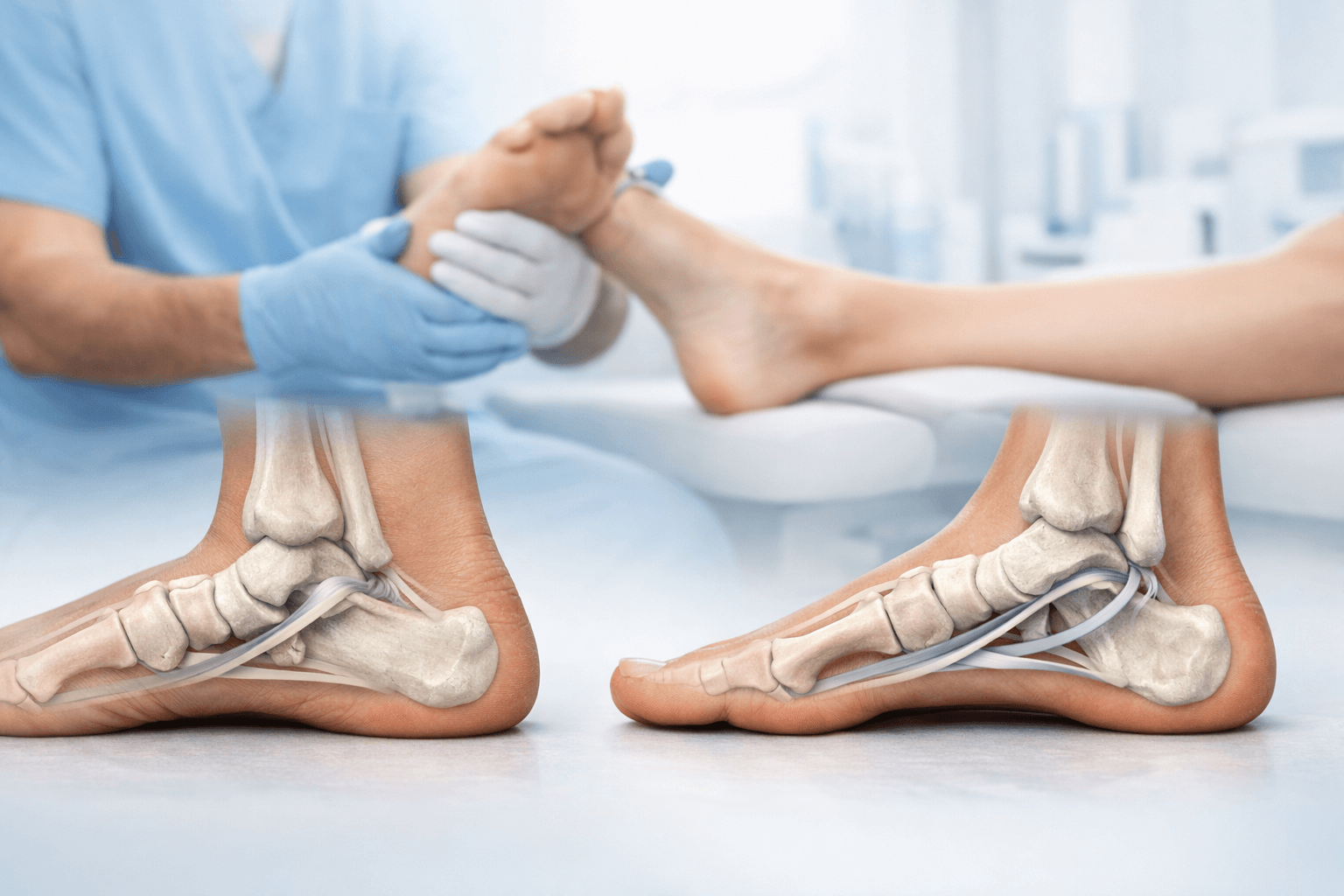
Flat feet may seem harmless at first, but for many people, they are the underlying cause of persistent foot, ankle, and even knee pain. When the arch collapses, it changes the alignment of your entire lower body. If conservative treatments no longer provide relief, surgery guided by a qualified flat foot specialist may help restore comfort, stability, and confidence in every step.
Understanding Flatfoot Deformity
Flatfoot, also known as fallen arches, occurs when the natural arch of the foot flattens, allowing the sole to touch the ground completely. Some people are born with flat feet, while others develop the condition over time due to injury, aging, arthritis, obesity, or tendon weakness.
One of the most common causes of adult flatfoot is posterior tibial tendon dysfunction. This tendon plays a crucial role in supporting the arch. When it becomes inflamed or torn, the arch gradually collapses. As the foot rolls inward, it disrupts alignment in the ankles and knees, leading to pain, swelling, fatigue, and instability.
A flat foot specialist can evaluate the severity of the deformity and determine whether it is flexible (correctable) or rigid (more advanced). Early diagnosis is important to prevent worsening symptoms.
When Is Surgery Recommended?
Not all flat feet require surgery. Many patients find relief through non-surgical treatments such as:
-
Custom orthotics
-
Supportive footwear
-
Physical therapy
-
Bracing
-
Anti-inflammatory medication
However, when pain persists despite these measures and begins affecting daily activities, surgery may be considered. If walking, standing for long periods, or exercising has become difficult, it may be time to consult a flat foot specialist for a comprehensive assessment.
Through physical examination and imaging such as X-rays or MRI scans, the specialist can determine the stage of the condition and recommend the most appropriate treatment plan.
What Does Flatfoot Surgery Involve?
Flatfoot surgery is not a one-size-fits-all procedure. It is typically customized based on the severity of the deformity and the structures involved.
Common surgical techniques include: Bone realignment (osteotomy): The surgeon cuts and repositions bones to restore proper arch alignment.
Tendon repair or transfer: Damaged tendons may be repaired or replaced with a healthier tendon to support the arch.
Ligament reconstruction: Stretched or weakened ligaments can be tightened to improve stability.
Joint fusion: In severe cases, certain joints may be fused to eliminate pain and create a stable structure.
An experienced flat foot specialist carefully selects the appropriate combination of procedures to correct the deformity while preserving as much natural movement as possible.
Recovery and Rehabilitation
Recovery from flatfoot surgery requires patience and commitment. Most patients begin with 6–8 weeks of non-weight-bearing activity, using crutches or a protective boot. Gradually, weight-bearing is reintroduced under medical supervision.
Physical therapy is a crucial part of recovery. It helps rebuild strength, improve flexibility, and restore balance. While noticeable improvements often occur within a few months, full recovery may take several months depending on the complexity of the surgery.
With proper guidance from a foot specialist singapore, most patients experience significant pain reduction and improved walking mechanics.
Long-Term Benefits
The goal of flatfoot surgery is not only to relieve pain but also to correct structural misalignment. By restoring the arch and stabilizing the foot, patients often experience:
-
Improved posture
-
Better mobility
-
Reduced joint strain
-
Long-term pain relief
Addressing the root cause of flatfoot can prevent progressive damage to surrounding joints and enhance overall quality of life.
Conclusion
Flat feet can quietly impact your daily comfort and mobility. When conservative treatments fail, surgical correction may offer lasting relief. Consulting a trusted flat foot specialist ensures you receive a personalized treatment plan tailored to your condition. With the right care and rehabilitation, flatfoot surgery can truly restore your step and help you move forward with confidence.
FAQs
1. When should I see a flat foot specialist?
If you experience ongoing foot pain, swelling, or difficulty walking that doesn’t improve with supportive shoes or orthotics, it’s time to seek professional evaluation.
2. How long does recovery from flatfoot surgery take?
Initial recovery usually takes 6–8 weeks of limited weight-bearing, with full rehabilitation lasting several months.
3. Is flatfoot surgery permanent?
In many cases, surgery provides long-term structural correction and pain relief, especially when patients follow proper rehabilitation guidelines.

 English
 Arabic
 French
 Spanish
 Portuguese
 Deutsch
 Turkish
 Dutch
Dutch
 Italiano
 Russian
 Portuguese (Brazil)
 Greek
Greek