


Drop, Match, and Merge: The Addictive Magic Behind Watermelon Puzzle Games
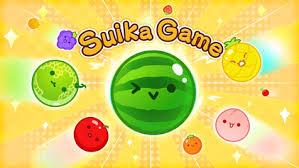
Have you ever scrolled through your phone's app store and wondered what everyone's talking about when they mention watermelon puzzles? You're not alone. These seemingly simple games have taken the gaming world by storm, with Suika Game leading the charge as the most popular title in this genre. But what makes them so captivating? Let's dive in and explore why millions of players can't put their phones down.
Understanding the Concept
At first glance, watermelon puzzle games seem almost too straightforward. The premise involves dropping various fruits onto a game board, and when two identical fruits collide, they merge into a larger variety. Your ultimate goal? Create the largest fruit possible – typically a watermelon – while managing limited board space. Sounds simple, right? That's precisely what makes these games so devilishly addictive.
The beauty lies in its simplicity masked by strategic depth. Unlike complex puzzle games that require hours of tutorial explanations, watermelon puzzles teach you the rules in mere seconds. Yet achieving mastery takes considerably longer, making them perfect for both casual players and gaming enthusiasts seeking a meaningful challenge.
How the Gameplay Actually Works
When you launch Suika Game or similar titles, you'll see a rectangular container – imagine it as a gravity-affected sandbox. At the top of the screen, a preview shows which fruit will drop next, giving you a moment to plan your strategy.
Your mouse or finger controls where each fruit lands. Once dropped, gravity takes over, and your fruit tumbles downward, potentially colliding with other fruits already on the board. Here's where the magic happens: two strawberries merge into a larger fruit, two larger fruits combine into something even bigger, and so on through a progression of cherry, grape, plum, orange, apple, pear, peach, melon, and finally, the coveted watermelon.
The board has limited space, and that's your primary constraint. As you continue playing, the container fills up, and poor placement decisions create towering, unstable stacks that can spell disaster. If fruits pile too high and exceed the container's height limit, it's game over. This tension between merging fruits and managing space creates an engaging risk-reward dynamic that keeps your heart racing.
Strategic Tips to Extend Your Game
While luck certainly plays a role – the randomness of which fruit appears next prevents the game from becoming entirely predictable – strategy significantly impacts your success rate.
Think Vertically, Not Horizontally
Beginners often spread fruits across the board's width, wasting valuable space. Instead, try creating vertical stacks. When two fruits merge, they create a single item, effectively reducing your occupied squares. Plan drops to facilitate merges that eliminate height gradually.
Preview Planning is Essential
That preview showing your next fruit isn't just decorative – it's your strategic compass. Knowing what's coming allows you to position current fruits accordingly. If you see a large fruit incoming and your board is cramped, make space by completing merges beforehand.
Embrace the Sides
The board's edges are surprisingly useful. Fruits naturally fall and stick to walls, letting you create organized columns. This approach prevents chaotic center piles and makes managing your board considerably easier.
Accept Imperfection
Perfection is the enemy of progress. Sometimes you'll make suboptimal moves, but continuing to play teaches you more than restarting immediately. Each session builds intuition for how fruits behave and how space management works.
Don't Fixate on Watermelon
While the watermelon is the goal, focusing obsessively on achieving it often leads to poor decisions. Instead, focus on keeping your board organized and taking advantage of opportunities when merging chains naturally occur.
Why These Games Resonate
Beyond mechanics, watermelon puzzles succeed because they tap into satisfying psychological principles. The visual feedback of watching fruits merge, often accompanied by pleasant sounds and animations, provides constant positive reinforcement. Each session is quick – you can play between tasks without major time commitment – yet engaging enough to feel productive.
The absence of timers or pressure creates a relaxing gaming experience. Unlike fast-paced competitive games, watermelon puzzles invite you to think at your own pace. Some play for five minutes; others lose track of time entirely. Both experiences are equally valid.
Time to Give It a Try
There's no secret formula to becoming a watermelon puzzle master – just practice, observation, and willingness to learn from failures. The genre's beauty lies in its accessibility combined with surprising depth.
If you've been curious about what Suika Game and similar titles offer, now's the perfect time to experience it firsthand. You'll understand instantly why these games have captured hearts worldwide. The combination of simple rules, satisfying mechanics, and surprising strategic potential creates something genuinely special.
Final Thoughts
Watermelon puzzle games represent gaming at its most elegant: minimal complexity, maximum enjoyment. They prove that innovative gameplay doesn't require cutting-edge graphics or elaborate storylines. Sometimes, all you need is fruits, gravity, and the satisfying feeling of creating something larger from smaller components.
Whether you're seeking a relaxing pastime or a surprisingly competitive challenge, these games deliver both. Drop that first fruit, watch it fall, and discover why millions have become devoted fans. Your watermelon awaits.

 English
 Arabic
 Spanish
 Portuguese
 Deutsch
 Turkish
 Dutch
Dutch
 Italiano
 Russian
 Romaian
 Portuguese (Brazil)
 Greek
Greek