Understanding the True Value of Home Nursing Care
There’s something deeply comforting about being at home—familiar walls, your own bed, the quiet rhythm of daily life. For many families, this comfort becomes especially important when dealing with illness, recovery, or aging. That’s where home nursing care steps in, not just as a service, but as a lifeline that blends medical support with emotional reassurance.
Over the past decade, healthcare has gradually shifted from hospitals to homes. It’s not just about convenience; it’s about dignity, personalization, and better quality of life. People heal differently when they feel safe and supported in their own environment.
But what exactly does home nursing care involve, and why are more families choosing it today? Let’s explore.
What Is Home Nursing Care?
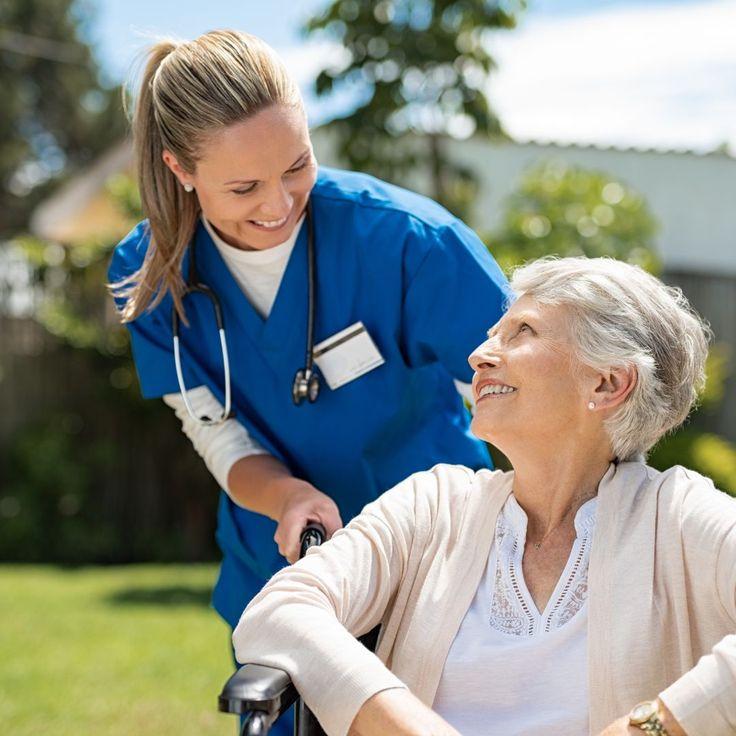
At its core, home nursing care refers to professional medical assistance provided in a patient’s home. This can range from basic health monitoring to specialized treatments that would otherwise require hospital visits.
Key Services Typically Included
- Medication administration and management
- Wound care and dressing
- Post-surgical recovery support
- Chronic disease management (like diabetes or hypertension)
- Mobility and rehabilitation assistance
- Palliative and end-of-life care
It’s not a one-size-fits-all solution. Care plans are usually tailored to meet individual needs, making it far more flexible than traditional healthcare setups.
Why Families Are Choosing Home-Based Care
The shift toward home nursing care isn’t accidental. It’s driven by a mix of practical realities and emotional needs.
1. Comfort Speeds Up Recovery
Recovery is not just physical—it’s psychological too. Patients often feel less stressed at home, which can positively influence healing. Being surrounded by loved ones, familiar routines, and personal belongings can make a real difference.
2. Personalized Attention
In hospitals, nurses juggle multiple patients. At home, care is focused entirely on one individual. This allows for:
- Better monitoring
- Faster response to changes
- Stronger patient-caregiver relationships
3. Reduced Risk of Infections
Hospitals, despite strict hygiene protocols, can expose patients to infections. Home care significantly lowers this risk, especially for those with weakened immune systems.
4. Cost-Effective in the Long Run
While it may seem expensive initially, home nursing care often reduces overall costs by minimizing hospital stays, travel expenses, and repeated admissions.
Who Can Benefit from Home Nursing Care?
This type of care isn’t limited to a specific group. In fact, it caters to a wide range of individuals.
Elderly Patients
Aging comes with its own challenges—mobility issues, chronic conditions, and the need for constant monitoring. Home care allows seniors to maintain independence while receiving necessary support.
Post-Surgery Patients
After surgery, the transition from hospital to home can be delicate. Professional care ensures proper healing, medication adherence, and complication prevention.
Chronic Illness Management
Conditions like diabetes, heart disease, and respiratory disorders require ongoing care. Home nursing makes it easier to manage these without frequent hospital visits.
Patients with Disabilities
Individuals with physical or neurological disabilities often need continuous assistance. Home care provides both medical and daily living support.
The Human Side of Care: More Than Just Medical Support
One aspect that often gets overlooked is the emotional connection that develops between patients and caregivers.
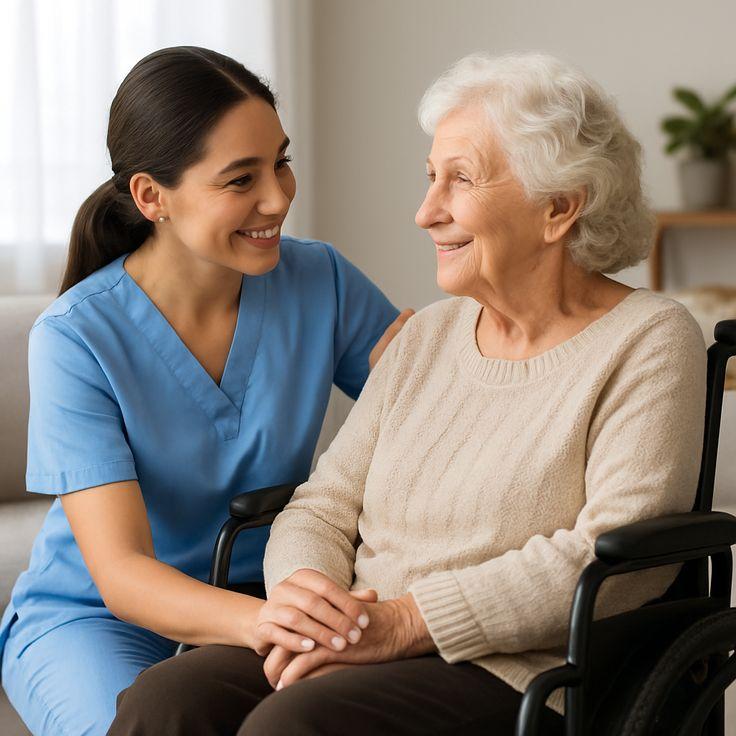
A good nurse doesn’t just monitor vitals—they listen, reassure, and sometimes simply sit in silence when that’s what’s needed. Over time, this bond can become a source of comfort for both the patient and their family.
It’s this human touch that sets home nursing care apart.
Choosing the Right Home Nursing Care Provider
Not all services are created equal. Selecting the right provider requires careful consideration.
What to Look For
Qualified and Experienced Staff
Ensure that nurses are certified and have relevant experience in handling specific medical conditions.
Customized Care Plans
Avoid generic packages. The best providers assess individual needs and create tailored plans.
Transparent Communication
Regular updates and clear communication build trust and prevent misunderstandings.
Availability and Flexibility
Health needs can change quickly. Choose a service that can adapt accordingly.
Real-Life Scenario: How Home Care Makes a Difference
Consider a middle-aged patient recovering from knee replacement surgery. In a hospital, they might receive limited physiotherapy sessions and basic monitoring.
At home, however:
- A nurse ensures medications are taken on time
- A physiotherapist visits regularly
- The patient practices mobility exercises in a familiar space
- Family members stay involved in recovery
The result? Faster recovery, reduced stress, and a more positive experience overall.
Common Challenges and How to Overcome Them
While home nursing care offers many benefits, it’s not without challenges.
Adjusting to Having a Caregiver at Home
It can feel intrusive at first. The key is open communication—setting boundaries and expectations early on helps everyone feel more comfortable.
Ensuring Consistent Quality
Not every day will be perfect. Regular feedback and periodic reviews can help maintain high standards of care.
Emotional Burnout for Family Members
Even with professional help, caregiving can be emotionally taxing. It’s important for families to take breaks and seek support when needed.
The Role of Technology in Modern Home Care
Healthcare at home is becoming smarter and more efficient thanks to technology.
Remote Monitoring
Devices can track vital signs like heart rate, blood pressure, and oxygen levels in real time, allowing nurses and doctors to respond quickly.
Teleconsultations
Doctors can review patient progress without requiring in-person visits, saving time and effort.
Digital Health Records
Maintaining accurate, accessible records ensures continuity of care and reduces errors.
How to Prepare Your Home for Nursing Care
Before starting home nursing care, a few adjustments can make the experience smoother.
Create a Comfortable Care Space
- Ensure proper lighting
- Arrange essential items within reach
- Use supportive bedding if needed
Maintain Hygiene
A clean environment is crucial for preventing infections, especially for patients with wounds or compromised immunity.
Keep Emergency Contacts Ready
Having quick access to doctors, pharmacies, and emergency services can make a critical difference.
Emotional and Psychological Benefits
Beyond physical health, home nursing care plays a significant role in emotional well-being.
- Patients feel more in control of their lives
- Anxiety levels tend to decrease
- Families experience peace of mind
In many cases, this emotional stability contributes directly to better health outcomes.
Future of Home Nursing Care
As healthcare continues to evolve, home-based care is expected to grow even further.
Trends to Watch
- Increased use of AI and predictive analytics
- More specialized at-home treatments
- Greater integration with hospital systems
- Rising demand due to aging populations
The idea is simple: bring quality healthcare to where people feel most comfortable—home.
Final Thoughts
Home nursing care is more than a practical solution; it’s a compassionate approach to healing and support. It bridges the gap between clinical treatment and everyday life, offering patients the dignity and comfort they deserve.
For families navigating health challenges, it provides not just care, but reassurance—the kind that can’t always be measured but is deeply felt.
In a world where healthcare often feels rushed and impersonal, this model reminds us of something important: sometimes, the best place to heal is right where you belong.




 English
 Arabic
 French
 Spanish
 Portuguese
 Deutsch
 Turkish
 Dutch
 Italiano
 Russian
 Romaian
 Greek