


Understanding Beard Hair Transplant: A Practical Look at Facial Hair Restoration
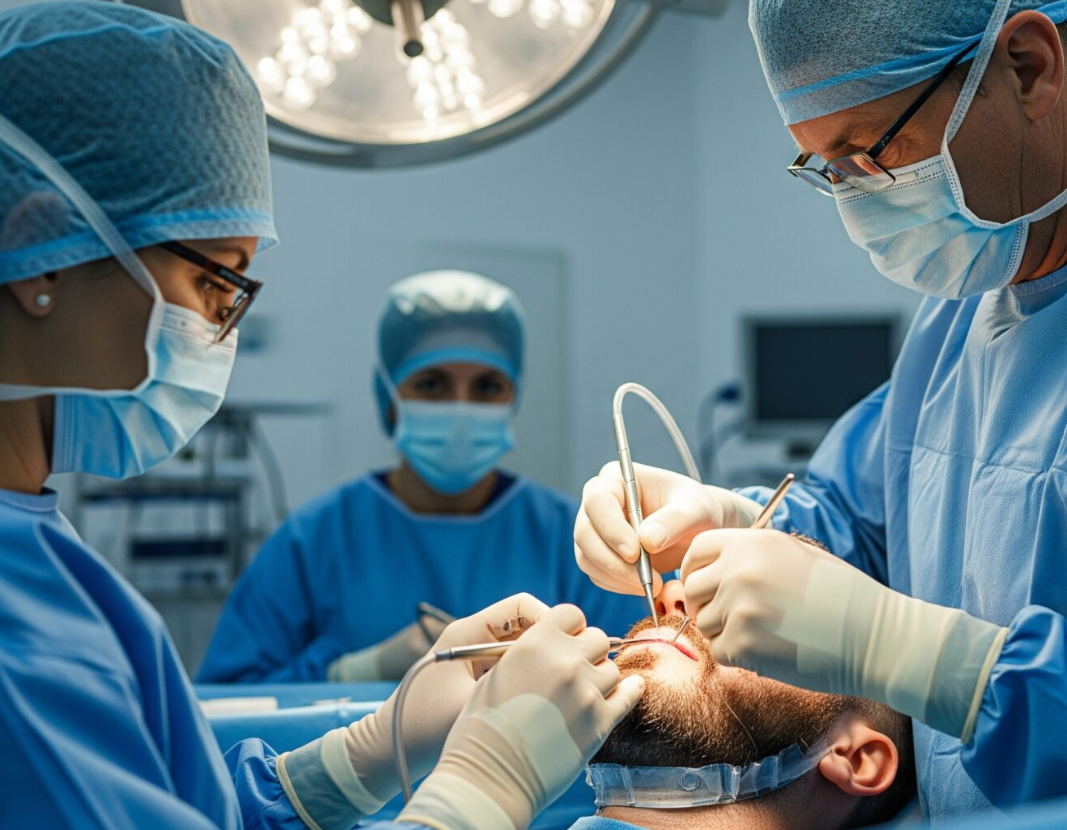
Facial hair has long been associated with personal style and identity, and for many individuals, uneven or sparse beard growth can feel limiting. This is where beard hair transplant enters the conversation as a medical option rather than a cosmetic shortcut. It is a procedure designed to redistribute hair follicles from one part of the body, usually the scalp, to areas of the face where growth is minimal or absent. While the concept sounds straightforward, the decision to undergo such a procedure involves careful thought and realistic expectations.
The process typically begins with a consultation, where a specialist evaluates hair density, skin condition, and overall suitability. Not everyone is an ideal candidate. Factors such as donor hair availability, underlying medical conditions, and the pattern of facial hair growth play a crucial role. Once approved, the procedure itself often uses techniques like Follicular Unit Extraction (FUE), where individual hair follicles are harvested and implanted into the beard area. This method allows for precision, ensuring that the direction and angle of hair growth appear natural over time.
Recovery is another aspect that deserves attention. After the procedure, mild swelling, redness, or scabbing may occur in both the donor and recipient areas. These effects are usually temporary, but proper aftercare is essential to support healing and hair growth. Patients are generally advised to avoid touching the treated area, limit physical activity for a few days, and follow a gentle skincare routine. Hair shedding in the initial weeks is normal and often misunderstood as a failed outcome, but it is part of the natural growth cycle before new hair begins to emerge.
One of the key considerations is patience. Unlike instant cosmetic solutions, hair transplants take time to show visible results. New growth typically begins within a few months, with fuller results appearing over six to twelve months. This gradual process requires a long-term perspective, as the final appearance depends on how well the transplanted follicles adapt and grow.
It is also worth noting that expectations should remain grounded. While modern techniques have improved significantly, results can vary based on individual biology and the skill of the practitioner. A natural-looking beard depends not only on density but also on thoughtful placement and symmetry. This makes choosing a qualified and experienced professional an important part of the journey.
Ultimately, opting for a beard hair transplant is a personal decision that goes beyond aesthetics. It involves understanding the procedure, weighing the commitment, and accepting the gradual nature of results.

 English
 Arabic
 French
 Spanish
 Portuguese
 Deutsch
 Turkish
 Dutch
Dutch
 Russian
 Romaian
 Portuguese (Brazil)
 Greek
Greek