


How Do Tree Care Services Help Identify Hidden Hollowing and Internal Decay?
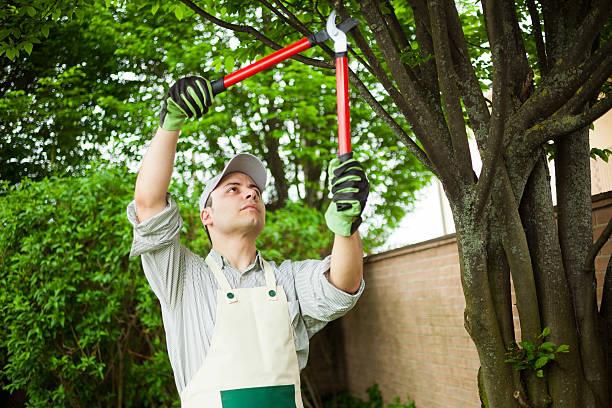
A tree can look “fine” from the outside and still be weak on the inside. That’s what makes hidden hollowing and internal decay so stressful—you may not notice a problem until a limb drops, the trunk splits, or the tree leans after a storm. In this guide, you’ll learn what’s happening inside the wood, what warning signs to watch for, and when it’s time to call the best tree care services in Porterville CA for a safer, clearer answer.
How the best tree care services in Porterville CA find hidden decay
Internal decay is a slow “inside job.” Fungi and bacteria break down wood fibers, so a tree can lose strength long before it looks sick. A trained team checks the whole tree as a system, not just the bark.
They usually start with a simple, step-by-step routine:
- Stand-back scan: overall shape, lean, crown balance, and deadwood patterns
- Trunk and root flare check: cracks, seams, cavities, and weak attachment points
- Sounding/tapping: listening for tone changes that can hint at hollow sections
- Target awareness: what the tree could hit (driveway, roof, play area, power lines)
They also ask about recent weather, irrigation changes, or construction work, because those shifts can push a “barely stable” tree into sudden failure.
Why hollowing often stays invisible
Trees are surprisingly good at “masking” damage. They can keep growing new layers of wood around a problem area, so the outside looks solid while the center keeps softening.
Hidden decay often starts from:
-
Old wounds that never sealed (storm tears, mower hits, string trimmer scars)
-
Improper pruning cuts that leave a large opening the tree can’t close
-
Root stress from digging, compaction, or grade changes
-
Water trapped in a pocket or cavity, which speeds up rot
A tree may still leaf out and look green even when its inner structure is compromised. So, “it has leaves” is not a real safety test.
Easy clues you can spot at home
You don’t need special tools to notice early red flags. Walk around the tree slowly and view it from different angles.
Look for:
-
Mushrooms or shelf-like growth on the trunk or at the base
-
Soft, punky wood in a crack, seam, or old scar
-
A hollow opening with dark, crumbly edges
-
Large dead limbs high in the canopy
-
A sudden lean or soil lifting on one side (root plate movement)
-
Carpenter ants or woodpecker activity (they often go where wood is soft)
These clues don’t tell you exactly “how bad” it is—but they do tell you it’s worth a closer look, especially if you’re trying to avoid surprises.
What pros listen for when they tap
One helpful check is “sounding,” which is controlled tapping with a mallet or hammer while listening to the response. Solid wood tends to sound sharper. Hollow or decayed areas often sound dull, deeper, or drum-like.
Still, tapping isn’t the final answer. The best tree care services in Porterville CA use it as a guide, because decay rarely spreads in a perfect circle. It often travels along old wounds, branch unions, and long seams. If the sound changes quickly over a short distance, that’s a strong hint the internal strength may be uneven—and uneven strength is where failures can start.
Tools that confirm internal problems safely
When the risk is higher, pros may use advanced tools to confirm what’s happening inside the trunk or major limbs. The goal is to reduce guessing, so you can make a smarter decision about pruning, bracing, or removal.
Common options include:
-
Resistograph drilling: a very thin drill measures resistance through the wood (low resistance can indicate decay)
-
Sonic or stress wave testing: sensors measure how fast sound waves move through wood (slower zones can suggest defects)
-
Air spade root inspection: uses compressed air to expose roots without cutting them, helping check for root decay and girdling roots
Quick example: If a trunk looks normal but has a long seam, sonic testing can help show whether the core is solid enough to stay stable over a walkway. This is one reason homeowners choose the best tree care services in Porterville CA—you get clearer answers without “just guessing.”
A simple “risk” table that helps decisions
Below is a quick way to think about what you see versus what it might mean. Remember: risk depends on what the tree could hit if it fails.
|
What You Notice |
What It Can Suggest |
What A Pro Often Does Next |
|
Mushrooms at the base |
Possible root or butt rot |
Base inspection + root flare check |
|
Long vertical seam |
Past split or ongoing weakness |
Sounding + tool test if needed |
|
Hollow opening |
Internal cavity or decay column |
Measure cavity + check surrounding strength |
|
Dead top or thinning crown |
Stress or reduced support system |
Look for root issues and trunk defects |
|
Sudden lean after rain |
Root movement or soil failure |
Evaluate targets + root zone stability |
What you can do right now
You can lower risk even before anyone arrives:
-
Keep soil off the trunk. Pull back mulch touching the bark, because constant moisture can worsen decay.
-
Avoid injuring roots. Don’t trench or dig near the base unless you have a clear plan.
-
Water wisely. Deep, infrequent watering is often better than constant shallow watering.
-
Document changes. Take photos every few months, so you can track cracks, lean, or dieback.
If you’ve had recent construction, mention it—root damage can show up later, and the best tree care in Porterville will factor that history into the inspection.
When internal decay becomes urgent
Some situations should move to the top of your list because the downside is serious. Call for help sooner if you notice:
-
A new crack you can slide a coin into
-
A cavity that’s growing or shedding crumbly wood
-
A heavy limb over a roof, driveway, or play space
-
Multiple warning signs at once (fungus + seam + deadwood)
This isn’t about panic. It’s about making a calm, informed call. The best tree care services in Porterville CA can often reduce risk with selective pruning or support instead of jumping straight to removal.
Final thought
Hidden decay is sneaky, but it isn’t unbeatable. A slow walk-around, a few simple checks, and a professional inspection can give you real clarity. The biggest win is timing—catching internal weakness early can prevent expensive damage and avoid last-minute emergencies. If something feels “off,” trust that instinct and get it checked while options are still on the table. For a careful evaluation and clear next steps, reach out to Aces Tree Service and schedule a visit with the best tree care services in Porterville CA.

 Arabic
 French
 Spanish
 Portuguese
 Deutsch
 Turkish
 Dutch
Dutch
 Italiano
 Russian
 Romaian
 Portuguese (Brazil)
 Greek
Greek