


EPC Commissioning Steps for Safer Project Turnover
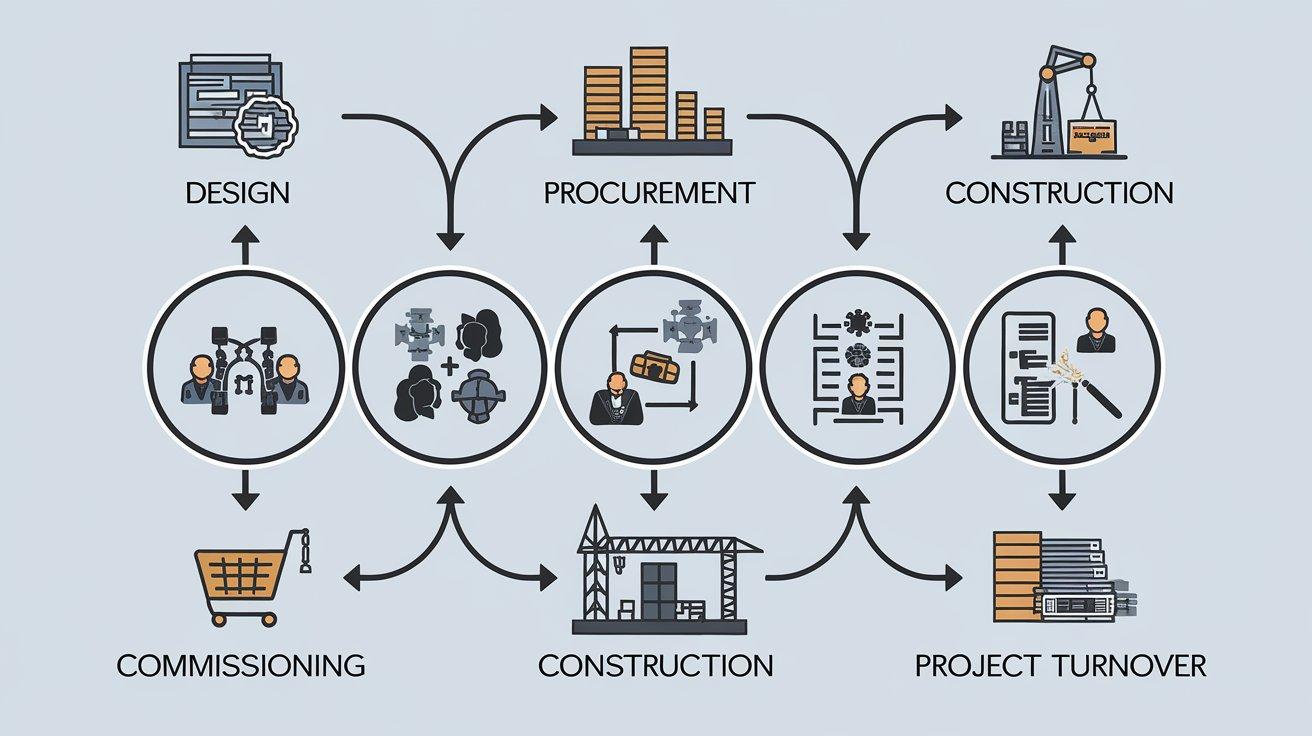
In any large industrial or power project, the final handover phase is often the most critical. After months or even years of engineering, procurement, and construction, everything comes down to one question: Is the system truly ready to operate safely and efficiently?
This is where EPC commissioning plays a vital role. It acts as the bridge between construction completion and operational readiness, ensuring that every component works as intended. A well-executed commissioning process not only protects investments but also ensures long-term reliability and safety.
What is EPC Commissioning and Why It Matters
EPC commissioning is the process of verifying and testing all systems and equipment before a project is officially handed over. It ensures that the plant or facility performs according to design specifications.
Without proper commissioning, even a perfectly built system can fail during operation. Small oversights, incorrect settings, or unnoticed faults can lead to serious issues. Commissioning identifies and resolves these problems before they impact real-world performance.
In simple terms, commissioning transforms a completed project into a fully functional and safe operation.
The Foundation of Safer Project Turnover
A safe project turnover depends on how thoroughly systems are tested and validated. EPC commissioning ensures that every detail—from electrical systems to mechanical components—is checked and verified.
This process reduces uncertainty. Instead of relying on assumptions, project owners gain confidence through real testing data. It ensures that systems are not only installed correctly but also operate under real conditions.
Using professional EPC Commissioning Services early in this phase strengthens the entire process, minimizing risks and ensuring a smooth transition.
Step 1: Pre-Commissioning Preparation
Before any testing begins, proper preparation is essential. This stage involves reviewing design documents, checking equipment installation, and ensuring all systems are ready for testing.
Engineers verify that components are installed correctly and meet project specifications. They also ensure that safety measures are in place before energizing systems.
This step sets the foundation for the entire commissioning process. Without proper preparation, testing can become unreliable and even dangerous.
Step 2: Inspection and Documentation Review
Every successful commissioning process starts with thorough documentation. Engineers review drawings, manuals, and technical specifications to understand how systems should perform.
They also inspect physical installations to ensure everything matches the documentation. Any mismatch between design and installation is identified and corrected.
This step ensures alignment between planning and execution, reducing the chances of unexpected issues later.
Step 3: Mechanical Completion Verification
Mechanical completion means that all equipment has been installed and is ready for testing. However, this does not guarantee that systems are fully operational.
During this step, engineers verify that all mechanical components are properly assembled, aligned, and secured. They check for missing parts, loose connections, and installation errors.
This process ensures that systems are physically ready for the next phase of commissioning.
Step 4: Pre-Functional Testing
Pre-functional testing focuses on individual components rather than the entire system. Each piece of equipment is tested to ensure it operates correctly on its own.
This includes checking motors, valves, cables, and control systems. Engineers verify that each component responds as expected and meets performance criteria.
By isolating components, this step makes it easier to identify and fix issues early.
Step 5: Functional Testing
Once individual components are verified, the next step is to test complete systems. Functional testing evaluates how different components work together under operating conditions.
Engineers simulate real scenarios to ensure that systems perform as designed. This includes testing load conditions, control sequences, and safety mechanisms.
This step is crucial for identifying integration issues that may not be visible during individual testing.
Step 6: Safety System Validation
Safety systems are the backbone of any industrial project. During commissioning, these systems are tested to ensure they respond correctly in emergency situations.
This includes fire protection systems, emergency shutdown mechanisms, and alarm systems. Engineers verify that these systems activate properly and provide the required level of protection.
Ensuring safety system reliability is essential for protecting both personnel and equipment.
Step 7: Performance Testing
Performance testing evaluates whether the system meets design expectations under actual operating conditions. It measures efficiency, output, and stability.
Engineers monitor system behavior over time to ensure consistent performance. Any deviation from expected results is analyzed and corrected.
This step confirms that the project is ready for full-scale operation.
Step 8: Troubleshooting and Issue Resolution
No commissioning process is complete without addressing issues. During testing, engineers often discover minor faults or inefficiencies.
These issues are documented, analyzed, and resolved before final handover. This proactive approach prevents future failures and improves overall reliability.
Instead of reacting to problems later, commissioning ensures they are fixed in advance.
Step 9: Final Documentation and Reporting
Documentation plays a critical role in project turnover. All testing results, observations, and corrective actions are recorded in detailed reports.
These documents provide a complete record of the commissioning process. They also serve as a reference for future maintenance and troubleshooting.
Clear documentation ensures transparency and builds trust between project stakeholders.
Step 10: Training and Handover
A project is not truly complete until the operational team is fully prepared. During this step, engineers train operators on system functionality, safety procedures, and maintenance practices.
This ensures that the team can manage the system effectively after handover. Proper training reduces operational risks and improves long-term performance.
The final handover marks the transition from project execution to daily operations.
The Role of Commissioning in Long-Term Reliability
Commissioning is not just about project completion—it is about long-term success. A properly commissioned system operates more efficiently and requires fewer repairs.
By identifying and resolving issues early, commissioning reduces wear and tear on equipment. It also improves system stability and performance over time.
In many ways, commissioning is an investment in the future of the project.
Common Challenges in EPC Commissioning
Despite its importance, commissioning can be challenging. Tight deadlines, complex systems, and coordination issues can create obstacles.
Poor planning or lack of expertise can lead to incomplete testing or overlooked faults. This increases the risk of failures after handover.
To overcome these challenges, projects must prioritize proper planning, skilled teams, and structured processes.
Best Practices for Successful Commissioning
Successful commissioning requires a systematic approach. Clear planning, effective communication, and detailed documentation are essential.
Teams should follow a step-by-step process and avoid rushing through critical stages. Regular reviews and quality checks help maintain accuracy.
By following best practices, projects can achieve safer and more reliable outcomes.
Conclusion
EPC commissioning is a critical phase that determines the success of any industrial project. It ensures that systems are safe, reliable, and ready for operation.
From pre-commissioning preparation to final handover, each step plays a vital role in reducing risks and improving performance. A well-executed commissioning process protects investments and ensures long-term efficiency.
In today’s complex project environments, safe and smooth project turnover is not optional—it is essential. EPC commissioning provides the structure and assurance needed to achieve this goal.

 English
 Arabic
 French
 Spanish
 Portuguese
 Turkish
 Dutch
 Italiano
 Russian
 Romaian
 Portuguese (Brazil)
 Greek