


How Do Water Heater Services Handle Sediment Buildup?
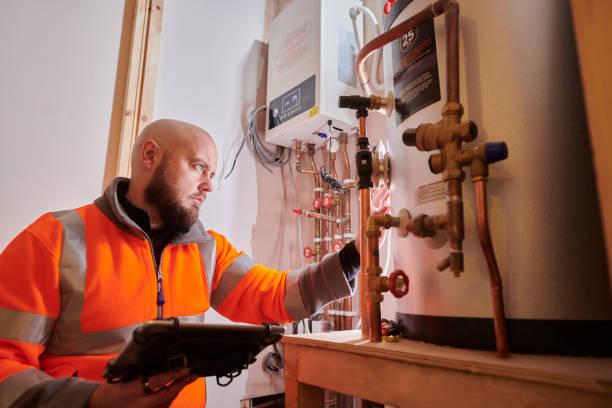
Hot water should feel easy. Yet, when your shower turns lukewarm, you feel it fast. Also, strange popping sounds can make you worry. In many homes, the cause is simple: sediment. Sediment is tiny bits of sand, rust, and minerals. Over time, it settles at the bottom of your water heater. Then it steals heat, reduces water flow, and raises energy use.
Here’s the good news. Trained pros know how to remove sediment safely. So you get steadier hot water, fewer surprises, and a longer tank life. If you live near Dacula, you may hear people mention water heater services in Dacula GA, when they talk about fixing these issues. In this guide, you’ll learn what the process looks like and why it matters.
1) Sediment Buildup Happens: Water Heater Services in Dacula GA,
Sediment forms when minerals in water drop out and settle. This happens more in hard water areas. Also, older pipes can add rust bits. Over time, the tank becomes a “snow globe” of grit at the bottom.
Because the burner or heating elements must heat through that layer, the tank works harder. So your bills can rise. Also, the tank may heat more slowly. In gas models, trapped bubbles can cause rumbling or popping. Meanwhile, sediment can clog the drain valve and make flushing harder later.
Most importantly, sediment can speed up wear inside the tank. So the heater may leak sooner. If you catch it early, you often avoid bigger repairs.
2) How Pros Spot Sediment Before They Flush
Many local techs, including water heater services, start with quick checks. First, they look for clear signs. Then they confirm with simple tests, so they do not guess.
They often check:
- Water temperature changes during a long shower
- Popping, rumbling, or crackling sounds
- Cloudy water or tiny grains in hot water
- Slow hot water recovery after heavy use
- A drain valve that drips or clogs
Next, they may feel the tank area for uneven heat. Also, they inspect the temperature and pressure relief valve area for stress signs. If the heater looks unsafe, they stop and address safety first. That step protects your home and your family.
3) The Safe Tank Flush Process Step by Step
A proper flush removes loose sediment without damaging parts. First, the tech shuts off power or gas. Then they close the cold-water supply. Next, they connect a hose to the drain valve and route it to a safe drain spot.
“A safe flush protects the tank and the people around it.”
After that, they open a hot tap in the home. This reduces pressure. Then they drain water from the tank. In many cases, they pulse the cold-water inlet on and off. That swirling action lifts sediment and pushes it out. Finally, they refill the tank fully before restoring heat. This matters. If you heat an empty tank, you can ruin parts fast.
4) When Flushing Isn’t Enough: Cleaning and Part Care
Sometimes sediment packs down like wet cement. So a basic flush won’t clear it all. In those cases, water heater services in Dacula GA, may use deeper methods. They still keep safety first.
-
Drain valve cleanup
Sediment can jam the drain valve. So the tech may clear the valve or replace it.
-
Dip tube check
The dip tube guides cold water to the tank bottom. If it breaks, hot water can turn warm fast.
-
Heating surface inspection
On electric heaters, scale can coat the elements. On gas heaters, buildup can affect heat transfer.
Also, techs inspect for rust flakes and early tank damage. If the tank shows serious corrosion, they explain the risks clearly. Then you can choose the safest next step.
5) Anode Rods, Hard Water, and What They Change
The anode rod acts like a “sacrifice” metal. It attracts corrosion, so the tank lasts longer. However, hard water can wear it down faster. So sediment and rust risks rise over time.
Here’s a simple view of what pros watch:
|
Item |
What it does |
Why it matters for sediment |
|---|---|---|
|
Anode rod |
Fights rust inside the tank |
Less rust means fewer flakes |
|
Water hardness |
Adds minerals to water |
More minerals can mean more sediment |
|
Flush schedule |
Clears loose buildup |
Regular flushing slows heavy packing |
|
Temperature setting |
Affects scaling speed |
Higher heat can form more scale |
Many homeowners schedule water heater services in Dacula to ensure their systems receive these essential inspections. Regular service reduces the chance of recurring performance issues.
6) Gas vs Electric Heaters: Sediment Problems Look Different
Sediment hurts both types, but it shows up in different ways. In gas heaters, sediment sits over the burner area. So heat struggles to pass through. Then you may hear popping sounds.
“Noise often means sediment is stealing heat.”
In electric heaters, scale can bake onto the heating elements. So the heater may trip a limit switch or heat slowly. Also, elements can burn out sooner if they overheat.
Pros adjust their approach based on the model. They may flush more carefully on older tanks. Also, they check wiring and thermostats on electric units. For gas units, they watch venting and combustion safety. That way, the fix stays safe and complete.
7) How to Slow Sediment Buildup Between Visits
You can’t eliminate mineral buildup, but you can slow sediment accumulation with the right maintenance steps. That means more consistent hot water and fewer unexpected repairs. Many homeowners searching for Dacula GA best water heater services are also looking for simple, practical habits that help their systems last longer and perform better.
Try these steps:
- Lower the temperature setting if it’s very high
- Use hot water gently after long idle times
- Listen for new popping sounds and act early
- Flush a small amount from the drain valve if safe
- Keep the area around the heater dry and clear
Also, watch for rusty water or low hot water pressure. Then call a pro before the tank strains. Small action now can prevent a big mess later.
So, what should you do next?
If your water heater starts making unusual noises or takes longer to heat, sediment buildup may be returning. And if your hot water runs out faster than usual, it’s wise to have the system checked sooner rather than later. A clear maintenance plan helps protect your home, your budget, and your peace of mind.
When you’re ready to take the next step, Mulberry Plumbing Services can walk you through the safest and most effective sediment solutions for your specific system.
FAQ
How often should a water heater be flushed?
Many homes benefit from yearly flushing. However, hard water may need more.
Can sediment make my water smell bad?
Yes, sometimes. Sediment can feed bacteria in warm water.
Is popping always sediment?
Often, yes. Still, a pro should confirm the cause safely.
Will a filter stop sediment?
It can help. Yet minerals can still form inside the tank over time.

 English
 Arabic
 French
 Spanish
 Portuguese
 Deutsch
 Turkish
 Dutch
Dutch
 Italiano
 Russian
 Portuguese (Brazil)
 Greek
Greek