


PTFE Thin Film Sheets and Applications
What Are PTFE Thin Film Sheets?
To start, PTFE thin film sheets are very thin layers of polytetrafluoroethylene. They are manufactured through processes like skiving or extrusion, which allow the material to be formed into precise thicknesses.
Because they are so thin, they are highly flexible. However, they still retain the key properties of PTFE, such as chemical resistance and heat tolerance.
In addition, these films often come in rolls or sheets, making them easy to cut and shape for different uses.
Why PTFE Films Are So Useful
Not all thin materials are strong or reliable. Some tear easily, while others degrade over time.
However, PTFE films stand out for a few simple reasons.
Chemical Resistance
First, PTFE resists most chemicals. Therefore, it works well in environments where exposure to aggressive substances is common.
High Temperature Performance
In addition, PTFE can handle high temperatures without losing its properties. This makes it suitable for demanding applications.
Non-Stick Surface
Because of its smooth surface, materials do not easily stick to PTFE. As a result, it is often used where easy release is needed.
Electrical Insulation
PTFE is also an excellent electrical insulator. This makes it useful in electronic and electrical applications.
I remember working on a small electronics project where heat and insulation were both concerns. A thin PTFE film solved both issues in one go.
Types of PTFE Film Sheets
There are a few common types of PTFE films, each with its own advantages.
Skived PTFE Film
This type is made by slicing thin layers from a larger block. It offers consistent thickness and good flexibility.
Extruded PTFE Film
Extruded films are produced through a continuous process. They are often used for larger-scale applications.
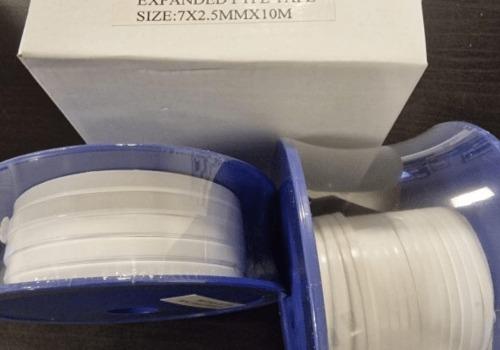
Expanded PTFE Film
Expanded PTFE has a more porous structure. Because of this, it is often used in sealing applications.
Choosing the right type depends on how the film will be used.
Common Applications of PTFE Film Sheets
PTFE films are used in a wide range of industries.
Electrical Insulation
One of the most common uses is insulation. Because PTFE does not conduct electricity, it protects wires and components.
Sealing Applications
Thin PTFE films are often used as sealing layers. They help prevent leaks in systems that handle fluids or gases.
Packaging and Release Liners
Because of the non-stick surface, PTFE films are used as release liners. This makes it easy to remove adhesives or sticky materials.
Chemical Processing
In chemical environments, PTFE films act as protective barriers. They help prevent damage to equipment.
Aerospace and Automotive
In these industries, materials must perform under tough conditions. PTFE films provide both protection and reliability.
Benefits of Using PTFE Film Sheets
There are several reasons why these films are so widely used.
Flexibility
Because they are thin, they can bend and conform to different shapes. This makes them easy to work with.
Durability
Even though they are thin, they are surprisingly durable. They resist wear and chemical attack.
Lightweight
In addition, PTFE films are lightweight. This is helpful in applications where weight matters.
Easy Handling
They can be cut and shaped easily. Therefore, they are suitable for both small and large projects.
From experience, having a roll of PTFE film in the workshop can be surprisingly handy for quick fixes.
How to Choose the Right PTFE Film
Selecting the right film depends on your needs.
Thickness
First, consider the thickness. Thinner films offer more flexibility, while thicker ones provide more strength.
Temperature Requirements
Check the temperature range of your application. PTFE handles heat well, but it’s still important to match the film to your needs.
Chemical Exposure
If the film will be exposed to chemicals, make sure it is suitable for that environment.
Application Type
Think about how the film will be used. For example, insulation and sealing may require different properties.
Taking a bit of time to choose the right film can save trouble later.
Installation and Handling Tips
Using PTFE film sheets is usually straightforward, but a few tips can help.
First, clean the surface before applying the film. This improves performance.
Next, cut the film carefully to avoid uneven edges.
Then, handle it gently to prevent damage during installation.
Finally, check the fit to ensure it covers the required area properly.
These simple steps can make a big difference in how well the film performs.
Common Mistakes to Avoid
Even though PTFE films are easy to use, a few mistakes can reduce their effectiveness.
One mistake is choosing the wrong thickness. This can affect flexibility or durability.
Another issue is improper installation. Poor placement can lead to gaps or weak spots.
Also, ignoring environmental conditions can cause problems over time.
Avoiding these mistakes helps you get better results.
Comparing PTFE Films with Other Materials
There are other thin materials available, such as polyethylene or polyester films.
While these materials have their uses, they may not handle heat or chemicals as well as PTFE.
On the other hand, PTFE films offer a strong combination of properties. Because of this, they are often chosen for demanding applications.
A Simple Way to Think About It
You can think of PTFE film sheets as a thin but tough protective layer.
Because they resist heat, chemicals, and sticking, they improve performance in many situations.
At the same time, their flexibility makes them easy to use.
Final Thoughts
PTFE film sheets are a versatile solution for a wide range of applications. Because they combine flexibility, durability, and resistance to harsh conditions, they perform well in many environments.
From electrical insulation to sealing and surface protection, their uses are both practical and reliable. Once you start using them, it becomes clear how useful they can be.
In the end, choosing the right material can make your work easier and more efficient. And when you need something thin yet dependable, PTFE film sheets are often a smart choice.

 English
 Arabic
 French
 Portuguese
 Deutsch
 Turkish
 Dutch
Dutch
 Italiano
 Russian
 Romaian
 Portuguese (Brazil)
 Greek
Greek