


Damascus Steel Kitchen Knives Guide and Benefits
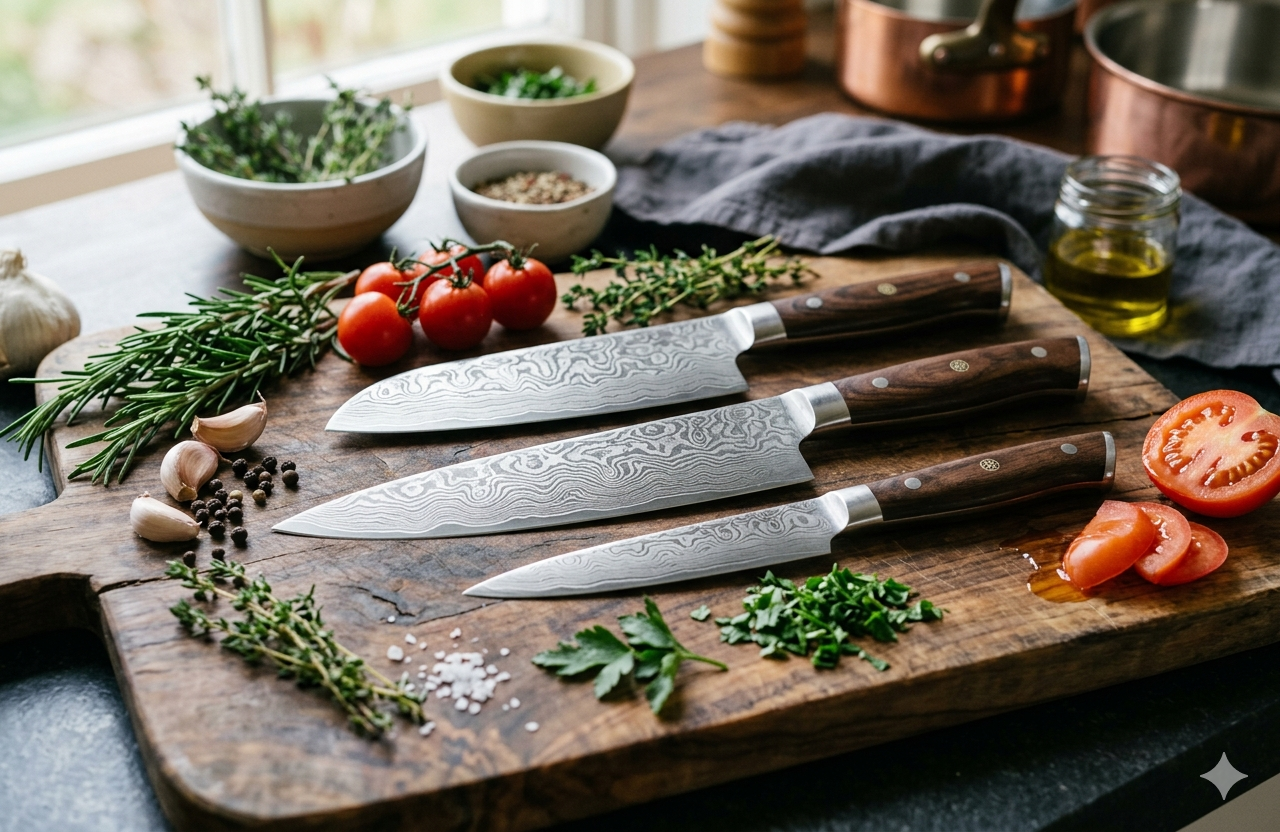
When it comes to high-quality kitchen tools, few items capture attention quite like Damascus steel kitchen knives. Known for their distinctive wavy patterns and impressive performance, these knives have become a favorite among both professional chefs and home cooks. But are they truly worth the investment, or are they simply a beautiful addition to your kitchen?
This article explores everything you need to know about Damascus steel kitchen knives, including their history, craftsmanship, benefits, maintenance, and how to choose the right one. Whether you’re upgrading your kitchen tools or exploring premium options, this guide will help you make an informed decision.
What Are Damascus Steel Kitchen Knives?
Damascus steel kitchen knives are made using a specialized forging process that involves layering different types of steel. These layers are repeatedly folded and hammered together, resulting in a blade that features a unique, flowing pattern often resembling waves or ripples.
Originally, Damascus steel referred to a type of metal used in ancient sword-making. Modern Damascus knives, however, use advanced techniques to replicate the aesthetic and enhance durability, sharpness, and strength.
The History Behind Damascus Steel
The origins of Damascus steel date back centuries, with early examples found in Middle Eastern sword-making traditions. These blades were prized for their sharpness, resilience, and ability to maintain a cutting edge.
While the exact ancient process was lost over time, modern metallurgists have developed new methods to recreate the look and performance. Today’s Damascus steel kitchen knives combine traditional craftsmanship with modern technology, making them both functional and visually stunning.
Key Features of Damascus Steel Kitchen Knives
1. Distinctive Pattern
The most recognizable feature of Damascus steel is its layered pattern. Each knife has a unique design, making it not just a tool but also a piece of art.
2. Exceptional Sharpness
These knives are known for their razor-sharp edges. The layered steel construction allows for a thinner edge, which improves cutting precision.
3. Strength and Durability
The combination of hard and soft steel layers enhances durability. Hard steel provides sharpness, while softer layers add flexibility, reducing the risk of breakage.
4. Corrosion Resistance
Many modern Damascus knives are made with stainless steel, which improves resistance to rust and corrosion.
Benefits of Using Damascus Steel Kitchen Knives
Superior Cutting Performance
Damascus steel knives glide effortlessly through ingredients, whether you're slicing vegetables, cutting meat, or chopping herbs. This precision improves efficiency and reduces preparation time.
Long-Lasting Edge Retention
One of the biggest advantages is edge retention. These knives stay sharp for longer periods compared to standard stainless steel knives, meaning less frequent sharpening.
Aesthetic Appeal
Beyond performance, Damascus knives are visually striking. Their intricate patterns make them a centerpiece in any kitchen.
Versatility
From chef’s knives to paring knives, Damascus steel is used across various types, making it suitable for a wide range of cooking tasks.
Types of Damascus Steel Kitchen Knives
Chef’s Knife
The most versatile knife in the kitchen, ideal for chopping, slicing, and dicing.
Santoku Knife
A Japanese-style knife perfect for precision cuts and thin slicing.
Utility Knife
Great for smaller tasks that require more control than a chef’s knife.
Paring Knife
Designed for peeling and intricate work, such as trimming fruits and vegetables.
Bread Knife
Features a serrated edge for cutting through crusty bread without crushing it.
How to Choose the Best Damascus Steel Kitchen Knife
Consider the Core Steel
High-quality Damascus knives often have a strong core made of high-carbon steel, which enhances sharpness and durability.
Check the Layer Count
More layers generally indicate better craftsmanship, though performance depends on overall construction, not just the number of layers.
Evaluate the Handle
Look for ergonomic handles made from materials like wood, resin, or composite materials. Comfort and grip are essential for safe usage.
Balance and Weight
A well-balanced knife ensures better control and reduces hand fatigue during extended use.
Brand Reputation
Choose knives from trusted manufacturers known for quality craftsmanship and reliable materials.
Proper Care and Maintenance
Hand Wash Only
Always wash your Damascus steel knives by hand with mild soap and water. Avoid dishwashers, as they can damage the blade.
Dry Immediately
Moisture can lead to corrosion over time, so always dry your knife immediately after washing.
Use a Cutting Board
Avoid hard surfaces like glass or stone. Instead, use wooden or plastic cutting boards to preserve the blade’s edge.
Regular Sharpening
Although these knives hold their edge well, periodic sharpening is necessary to maintain optimal performance.
Safe Storage
Store your knives in a knife block, magnetic strip, or protective sheath to prevent damage and ensure safety.
Common Myths About Damascus Steel Kitchen Knives
Myth 1: They Never Rust
While many are resistant to corrosion, they are not completely rust-proof. Proper care is essential.
Myth 2: More Layers Mean Better Quality
Layer count contributes to aesthetics, but quality depends on the materials and forging process.
Myth 3: They Don’t Need Sharpening
Even the best knives require sharpening over time to maintain performance.
Why Professional Chefs Prefer Damascus Steel
Professional chefs often choose Damascus steel kitchen knives for their reliability and precision. In fast-paced kitchen environments, having a knife that stays sharp and performs consistently is crucial.
The balance of durability and cutting efficiency makes these knives a practical choice for culinary professionals who demand excellence from their tools.
Damascus Steel vs. Regular Stainless Steel Knives
| Feature | Damascus Steel | Regular Stainless Steel |
|---|---|---|
| Sharpness | Superior | Moderate |
| Edge Retention | Long-lasting | Requires frequent sharpening |
| Appearance | Decorative patterns | Plain |
| Durability | High | Moderate |
| Price | Higher | Affordable |
While Damascus knives are more expensive, their performance and longevity often justify the investment.
Exploring Quality Options at Malee Cut and Co
If you're looking to invest in high-quality Damascus steel kitchen knives, the collection available at maleecutandco.com/collections/kitchen-knives is worth exploring. The website offers a curated selection of kitchen knives designed with both performance and aesthetics in mind. Whether you are a professional chef or a home cook, you can find knives that combine craftsmanship, durability, and style. Their range includes various knife types suitable for different culinary tasks, making it easier to build a reliable and elegant kitchen toolkit.
Conclusion
Damascus steel kitchen knives are more than just visually appealing tools—they are a blend of tradition, craftsmanship, and modern performance. With their exceptional sharpness, durability, and unique patterns, they offer both functionality and elegance in the kitchen.
While they may come at a higher price point, their long-lasting performance and superior cutting ability make them a worthwhile investment for anyone serious about cooking. By choosing the right knife and maintaining it properly, you can enjoy the benefits of Damascus steel for years to come.

 English
 Arabic
 French
 Spanish
 Portuguese
 Deutsch
 Turkish
 Dutch
Dutch
 Italiano
 Russian
 Portuguese (Brazil)
 Greek
Greek