


Managing Housekeeper Exposure to Volatile Organic Compounds (VOCs) from Cleaning Agents
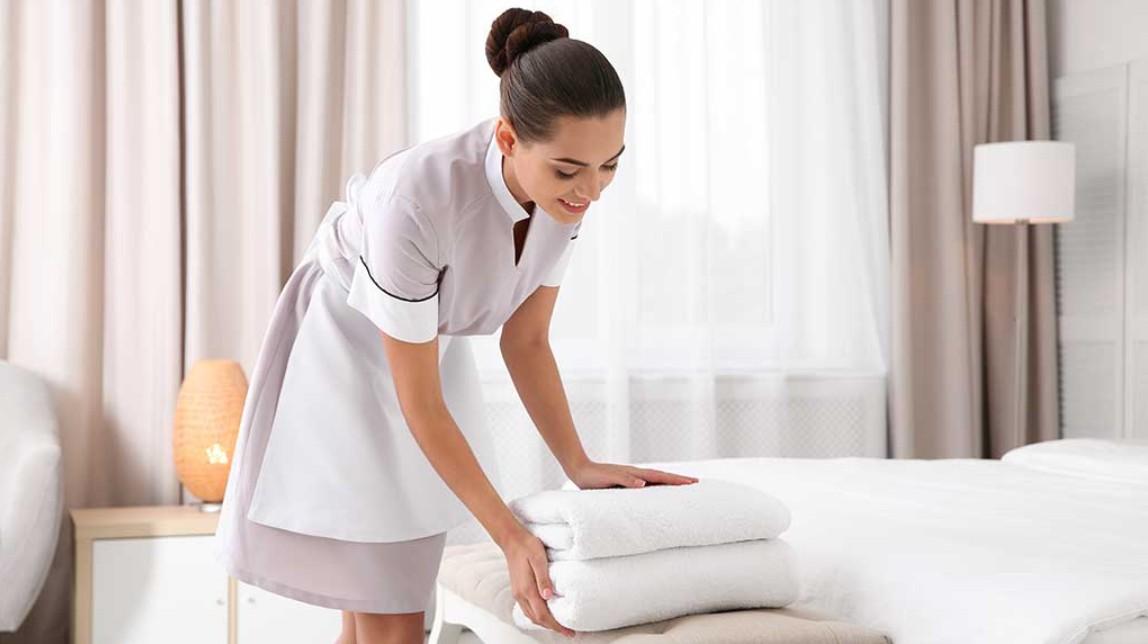
In the hospitality and commercial cleaning sectors, the health and safety of frontline staff are often compromised by the invisible threat of Volatile Organic Compounds (VOCs) found in standard cleaning agents. These compounds, which evaporate at room temperature, are prevalent in disinfectants, air fresheners, and degreasers, leading to a build-up of indoor air pollutants that housekeepers inhale throughout their shifts. Chronic exposure to these chemicals can lead to "Sick Building Syndrome," characterized by respiratory irritation, headaches, and long-term pulmonary issues.
Identifying the Primary Chemical Culprits in Daily Cleaning
Many of the most effective cleaning products on the market contain high concentrations of VOCs such as formaldehyde, d-limonene, and ethanolamines, which are particularly volatile when used in aerosolized forms. While these ingredients are prized for their ability to dissolve grease and eliminate odors, they pose a significant risk to the central nervous system and respiratory tract when used in poorly ventilated spaces. Identifying these "silent" hazards requires a keen eye for Safety Data Sheets (SDS) and an understanding of chemical labeling that goes beyond basic usage instructions.
The Importance of Ventilation and Air Exchange Protocols
The risk of VOC exposure is exponentially higher in confined areas such as bathrooms, elevators, and small storage closets where air circulation is limited. To mitigate this risk, housekeeping managers must implement strict ventilation protocols, such as ensuring that exhaust fans are operational during cleaning and that doors are left open to encourage cross-ventilation. Proper air exchange not only dilutes the concentration of airborne chemicals but also speeds up the drying time of surfaces, reducing the duration of exposure for both the staff and the guests. Learning how to manage environmental factors to enhance safety is a critical skill taught in a housekeeping course, which emphasizes that the physical environment is just as important as the cleaning technique itself. By prioritizing airflow, facilities can ensure that the "freshly cleaned" scent—often a sign of high VOC levels—is replaced by truly clean, toxin-free air.
Implementing Personal Protective Equipment (PPE) for Chemical Safety
While environmental controls are the first line of defense, Personal Protective Equipment (PPE) remains a vital safeguard for housekeepers handling concentrated chemicals or working in high-exposure scenarios. This includes the use of nitrile gloves to prevent dermal absorption and, in some cases, specialized masks or respirators when using high-strength solvents in enclosed areas. It is not enough to simply provide the equipment; staff must be trained in the correct "donning and doffing" procedures to avoid cross-contamination and ensure the PPE remains effective.
Strategic Product Application and the "Spray-to-Cloth" Method
The way a cleaning agent is applied to a surface can have a dramatic impact on the amount of VOCs released into the breathing zone of the housekeeper. Spraying chemicals directly onto surfaces creates a fine mist of droplets that are easily inhaled, whereas the "spray-to-cloth" method—where the chemical is applied to a microfiber cloth first—keeps the particles localized and reduces aerosolization. This simple change in technique can reduce airborne chemical concentrations by up to 70%, making the workspace significantly safer for everyone involved. Mastering these subtle but life-saving adjustments is a key part of a housekeeping course, which focuses on ergonomic and efficient cleaning methods that prioritize human health. By refining application techniques, housekeeping teams can minimize the chemical footprint of their operations while still achieving a superior level of cleanliness and surface disinfection.
Monitoring Staff Health and Encouraging Incident Reporting
Effective management of VOC exposure requires an ongoing commitment to monitoring staff health and fostering a culture where housekeepers feel comfortable reporting symptoms like dizziness or throat irritation. Early signs of overexposure are often dismissed as "part of the job," but they are actually critical indicators that a ventilation system is failing or a product is too hazardous for its intended use. Managers should conduct regular health check-ins and maintain a "near-miss" log for chemical spills or exposure incidents to identify patterns and implement corrective actions.
The Future of Housekeeping and Toxin-Free Sanitation
As the hospitality industry moves toward a more sustainable future, the role of the housekeeper is evolving from a manual laborer to a highly trained technician capable of managing complex chemical and environmental risks. The transition toward non-toxic, bio-based cleaning agents is no longer just an environmental choice but a fundamental health and safety requirement for modern facility management.

 English
 Arabic
 French
 Spanish
 Portuguese
 Deutsch
 Turkish
 Italiano
 Russian
 Romaian
 Portuguese (Brazil)
 Greek