


Matching Dining Tables with Interior Design Styles
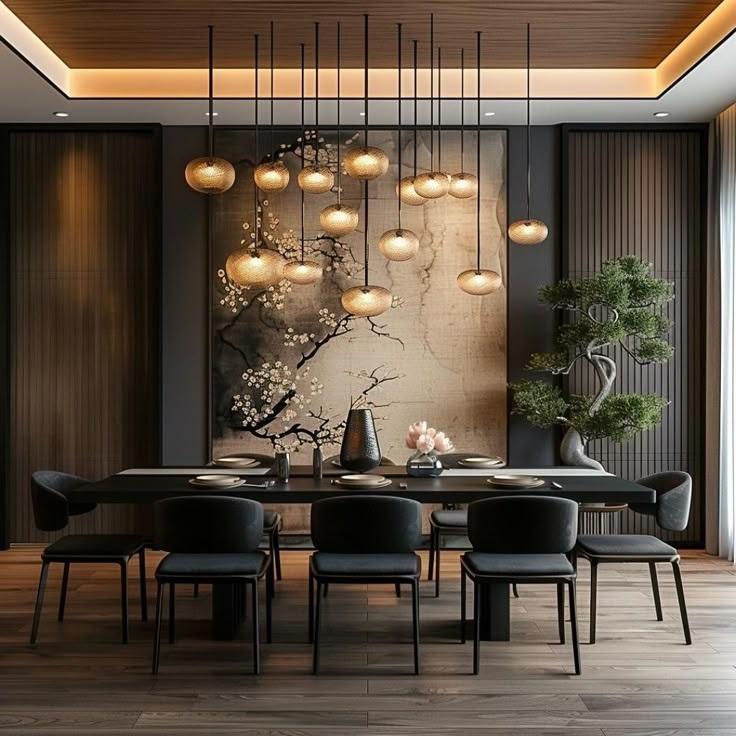
A dining table is more than a functional surface for meals—it anchors the dining space and reflects the overall character of a home. Its design, material, and placement influence how the room feels and functions. When aligned with the broader interior style, the table helps create a seamless visual flow. Without this alignment, even a beautifully crafted piece can appear disconnected. Thoughtful selection ensures that the dining area becomes both practical and aesthetically pleasing.
Understanding Interior Design Styles
Before choosing a dining table, it is essential to understand the defining features of the interior style in question. Each style carries its own identity, shaped by elements such as color schemes, textures, and forms. Whether the space leans toward modern simplicity, classic elegance, or a relaxed natural vibe, the dining table should echo those characteristics. This consistency creates harmony, allowing the room to feel cohesive rather than fragmented.
Contemporary Style: Clean and Refined Choices
Contemporary interiors prioritize simplicity, open space, and subtle sophistication. Dining tables suited for this style typically feature smooth surfaces, sleek edges, and neutral tones. Materials like glass, polished wood, and metal are often preferred because they enhance the uncluttered look. A table with a minimal silhouette and understated detailing can complement the environment without drawing excessive attention. The result is a balanced space that feels modern and refined.
Minimalist Style: Function Meets Simplicity
Minimalist design takes simplicity to its core, focusing on essential elements only. In such spaces, the dining table should be practical, with no unnecessary decoration. Light wood finishes, monochrome palettes, and straight lines are ideal. The goal is to maintain openness and clarity, so bulky or overly ornate tables should be avoided. A well-proportioned, simple table can serve as a quiet focal point while preserving the calm atmosphere.
Traditional Style: Elegance and Detail
Traditional interiors celebrate craftsmanship and timeless appeal. Dining tables in this style often feature rich wood tones, carved details, and graceful curves. These elements contribute to a sense of sophistication and warmth. To maintain harmony, the table should align with other furnishings in both finish and style. When paired with complementary décor, it enhances the room’s classic charm without appearing outdated.
Rustic Style: Embracing Natural Beauty
Rustic interiors highlight raw textures and organic materials. Dining tables in this style often showcase solid wood with visible grain, knots, and imperfections. These features add authenticity and warmth to the space. A slightly rugged finish or reclaimed material can enhance the natural feel. When combined with earthy tones and textured accents, the table becomes a centerpiece that invites comfort and relaxation.
Industrial Style: Bold and Functional Appeal
Industrial design draws inspiration from utilitarian spaces, blending raw materials with strong forms. Dining tables in this style often combine wood with metal elements, creating a sturdy and distinctive look. Exposed structures, matte finishes, and bold lines define the aesthetic. A table with a robust frame can anchor the room, while complementary elements like metal chairs or simple lighting reinforce the theme.
Scandinavian Style: Light and Airy Simplicity
Scandinavian interiors emphasize brightness, comfort, and functionality. Dining tables in this style are typically made from light-colored wood and feature clean, simple shapes. The palette is soft and neutral, contributing to an airy and welcoming environment. A table with gentle curves or tapered legs can blend effortlessly into the space. Adding subtle textures enhances warmth without disrupting the minimalist appeal.
Eclectic Style: Balancing Variety
Eclectic interiors allow for a mix of influences, combining different styles, colors, and textures. In such spaces, the dining table often serves as a grounding element. Choosing a piece with a versatile design or a neutral base can help unify diverse components. While contrasts are encouraged, maintaining a sense of balance is essential. A carefully selected table can tie together various elements, creating a cohesive yet dynamic environment.
Choosing the Right Shape and Size
The shape and size of the dining table significantly impact both functionality and visual balance. Rectangular tables suit larger rooms, while round or oval options work well in smaller spaces. The table should allow for comfortable movement and seating without overcrowding the area, much like how a well-designed Cooltech Mattress enhances comfort and space efficiency in a bedroom. Proper proportions ensure that the table complements the room rather than dominating or disappearing within it.
Color Coordination and Visual Harmony
Color plays a key role in integrating the dining table into the overall design. Neutral tones offer flexibility and can adapt to evolving styles. Dark finishes add depth and formality, while lighter shades create a relaxed and open feel. Coordinating the table’s color with other elements such as flooring or walls helps establish a unified look. Subtle contrasts can add interest without disrupting harmony.
Material Matters: Texture and Durability
The choice of material influences both the appearance and longevity of the dining table. Wood remains a popular option due to its versatility and timeless appeal. Glass can create a sense of openness, especially in compact spaces. Metal adds a modern or industrial edge, depending on its finish. Combining materials thoughtfully can result in a table that is both durable and visually engaging.
The Impact of Lighting
Lighting enhances the presence of the dining table and shapes the overall ambiance. A well-placed fixture above the table can highlight its design and create a focal point. The style and scale of the lighting should complement both the table and the surrounding décor. Warm lighting fosters a cozy atmosphere, while cooler tones emphasize a more contemporary feel.
Styling and Accessories
Accessories bring personality to the dining space and complete the overall look. Table settings, centerpieces, and textiles should complement the table without overwhelming it. Simple arrangements can maintain a clean aesthetic, while layered elements can add depth and character. The key is to ensure that decorative choices enhance rather than distract from the table’s design.
Conclusion: Creating a Cohesive Dining Space
Matching a dining table with an interior design style requires careful attention to detail. By considering elements such as form, material, color, and proportion, it is possible to create a harmonious and inviting environment. A well-chosen table not only fulfills practical needs but also enhances the overall aesthetic of the home. When everything works together, the dining area becomes a space that feels complete, comfortable, and visually appealing.

 Arabic
 French
 Spanish
 Portuguese
 Deutsch
 Turkish
 Dutch
Dutch
 Italiano
 Russian
 Romaian
 Portuguese (Brazil)
 Greek
Greek