


HIV Blood Test Window Period: What You Must Know
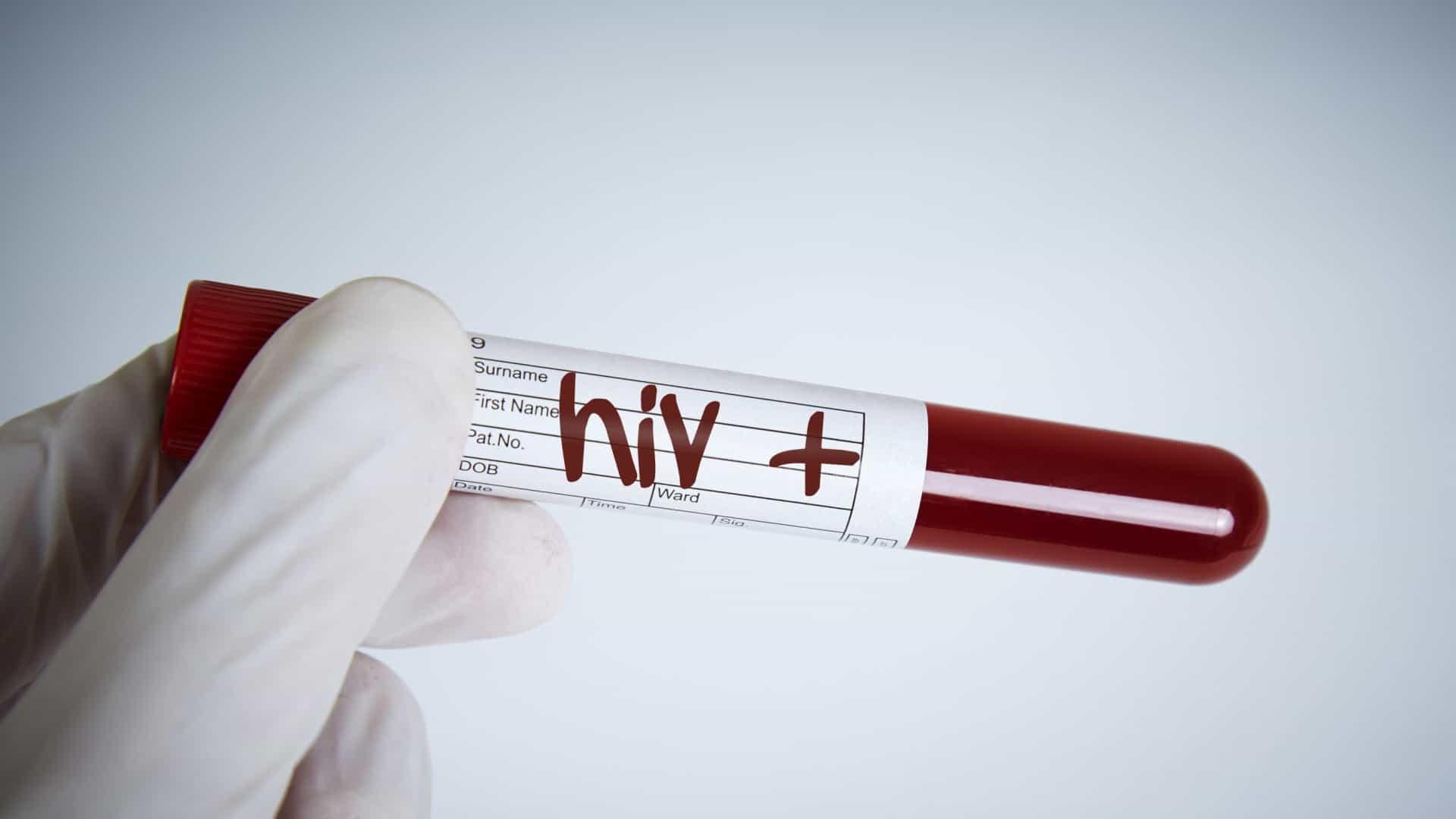
If there is one concept that creates the most misunderstanding around HIV testing, it is the window period. Many people take an HIV blood test expecting immediate certainty, only to be confused when told they may need to test again. The reason lies in how the body responds to infection over time.
The window period is not a flaw in HIV Blood Test in Dubai—it is a natural biological process. Understanding it can help you avoid false reassurance, reduce anxiety, and ensure your HIV test results are truly reliable.
What Exactly Is the HIV Window Period?
The HIV window period is the time between when a person is exposed to the virus and when a test can accurately detect that infection. During this phase, the virus is present in the body, but the markers used for detection—such as antibodies or antigens—may not yet be at detectable levels.
This means a person can have HIV and still receive a negative test result if they test too early. That is why timing your HIV blood test correctly is just as important as taking the test itself.
The Science Behind Detection: What Tests Are Looking For
To understand the window period, it helps to know what HIV tests actually detect. Most modern HIV blood tests are designed to identify one or more of the following: HIV antibodies, the p24 antigen, or viral RNA.
Antibodies are produced by the immune system in response to the virus, but they take time to develop. The p24 antigen appears earlier, making antigen-antibody combination tests more effective for early detection. Nucleic acid testing goes a step further by detecting the virus directly.
Each of these markers appears at different stages after exposure, which explains why the window period varies depending on the type of test used.
Timeline Breakdown: How the Window Period Progresses
The window period is not a fixed number of days; it progresses in stages. In the first few days after exposure, the virus begins replicating rapidly, but it remains undetectable by standard tests.
Within 10 to 14 days, nucleic acid tests may start detecting viral RNA. Around 2 to 4 weeks, the p24 antigen becomes detectable, making fourth-generation HIV blood tests effective during this phase.
By 4 to 12 weeks, most individuals will have developed enough antibodies for detection through standard antibody tests. This timeline highlights why early testing may need to be followed by repeat testing for confirmation.
Why Testing Too Early Can Be Misleading?
One of the biggest mistakes people make is taking an HIV blood test immediately after a potential exposure and assuming a negative result means they are not infected. During the window period, the absence of detectable markers can lead to false negative results.
This does not mean the test is inaccurate; it simply means the body has not yet produced enough markers for detection. Understanding this distinction is critical for interpreting results correctly and avoiding unnecessary risk.
Choosing the Right Test Based on Timing:
Different HIV tests are suited for different stages of the window period. If testing is done very early, nucleic acid testing offers the best chance of detection, although it is not always used for routine screening.
For most people, a fourth-generation antigen-antibody HIV blood test is the best option. It balances early detection with high accuracy and is widely available.
If more time has passed since exposure, antibody tests can also provide reliable results. Selecting the right test based on timing ensures more accurate outcomes.
When Should You Take Your First HIV Blood Test?
If you suspect recent exposure to HIV, it is reasonable to take an initial test within the first few weeks. While this may not provide a definitive answer, it can serve as a baseline.
Most healthcare professionals recommend taking a fourth-generation HIV blood test at around 4 weeks after exposure. This timing captures the majority of infections and provides a high level of accuracy.
However, a single test is often not enough. Follow-up testing is a key part of the process.
The Importance of Follow-Up Testing:
Follow-up testing is essential for confirming your HIV status. Even if your initial test result is negative, a second test is usually recommended at around 3 months after exposure.
This ensures that any delayed immune response is captured and eliminates the possibility of a false negative result. In some cases, additional testing at 6 months may be advised, depending on individual risk factors.
This staged approach provides complete certainty and aligns with global HIV testing guidelines.
Factors That Can Affect the Window Period:
While general timelines apply to most people, individual factors can influence the length of the window period. These include the strength of the immune system, the type of exposure, and the sensitivity of the test used.
For example, individuals with weakened immune systems may take longer to produce detectable antibodies. Similarly, different testing technologies have varying detection thresholds.
Understanding these variables helps you make informed decisions about when to test and when to repeat testing.
Common Myths About the HIV Window Period:
There are several misconceptions about the HIV window period that can lead to confusion. One common myth is that a negative result shortly after exposure guarantees safety. In reality, this is often too early for accurate detection.
Another myth is that all HIV tests have the same window period. Different tests detect different markers, so their timelines vary significantly.
Some people also believe that symptoms can replace testing. However, HIV symptoms are not reliable indicators, especially in early stages, making testing essential.
Emotional Impact of Waiting During the Window Period:
The waiting period between exposure and accurate testing can be emotionally challenging. Anxiety, uncertainty, and fear are common during this time.
It is important to focus on what you can control, such as avoiding further risk and planning appropriate testing timelines. Seeking support from healthcare professionals or counselors can also help manage stress.
Understanding the science behind the window period can provide reassurance and reduce unnecessary worry.
How Modern Testing Has Improved the Window Period?
Advancements in HIV testing technology have significantly shortened the window period compared to older methods. Fourth-generation tests have made it possible to detect infection earlier than ever before.
These improvements mean that individuals can receive accurate results sooner, allowing for earlier treatment and better health outcomes.
As research continues, the window period may become even shorter, further enhancing the effectiveness of HIV screening.
Practical Tips to Navigate the Window Period:
If you are navigating the HIV window period, there are a few practical steps you can take. Schedule your tests according to recommended timelines and avoid relying on a single early result.
Practice safe behaviors during this time to prevent potential transmission. Stay informed about the type of test you are taking and its detection capabilities.
Most importantly, follow professional medical advice and complete all recommended follow-up testing.
Final Takeaway: Timing Is the Key to Accuracy
The HIV Lab tests window period is a crucial concept that directly impacts the accuracy of your results. By understanding how the body responds to infection and when tests can detect it, you can approach HIV screening with confidence.
Rather than rushing into testing or relying on early results, a well-timed approach ensures reliable outcomes. Combined with modern testing technology and proper follow-up, this knowledge empowers you to take control of your health.
In the end, awareness of the window period is not just about timing—it is about making informed decisions that protect your well-being and provide peace of mind.

 Arabic
 French
 Spanish
 Portuguese
 Deutsch
 Turkish
 Dutch
Dutch
 Italiano
 Russian
 Romaian
 Portuguese (Brazil)
 Greek
Greek