


Good Fences, Better Neighbors: A St. Louis Fence Repair Checklist
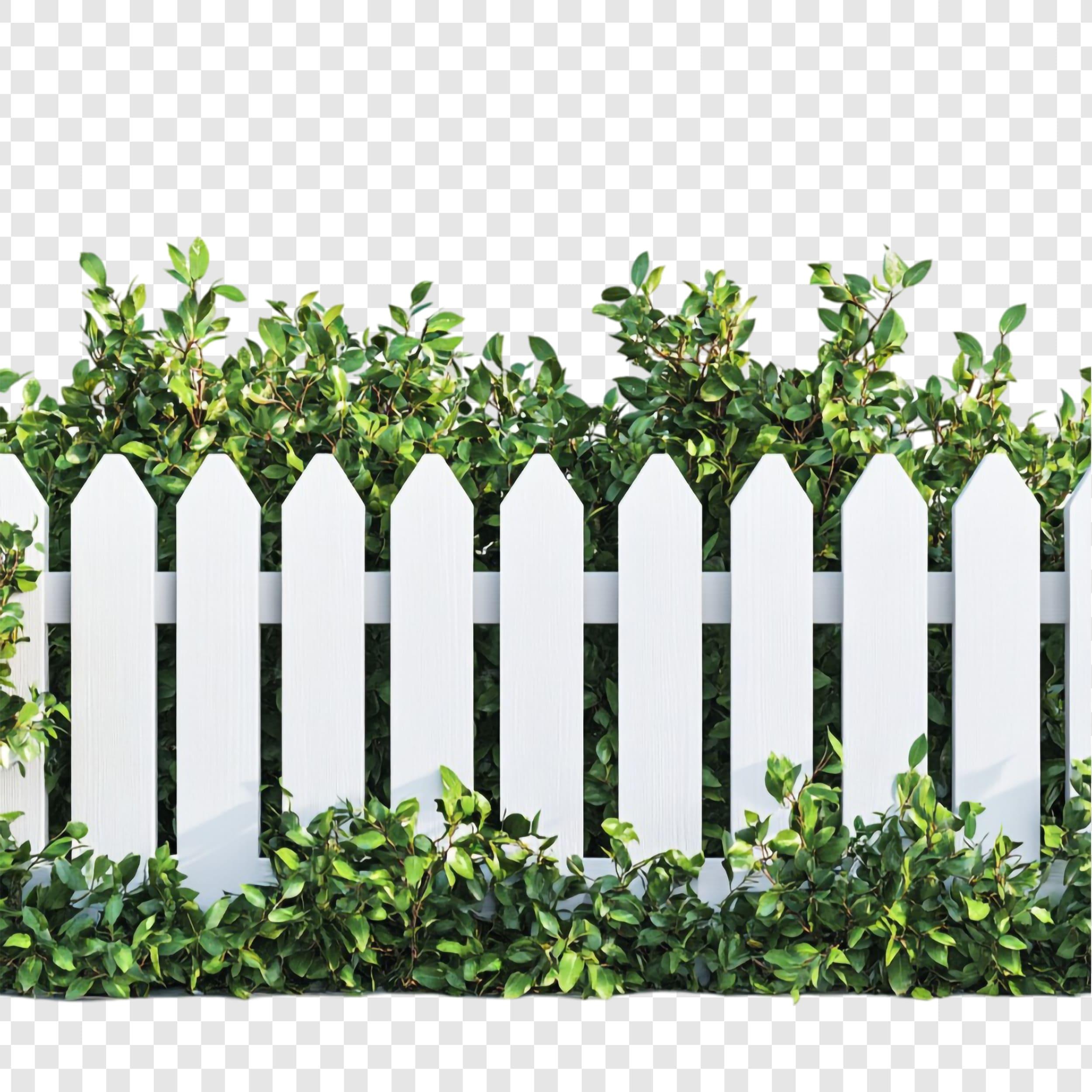
Fence issues in St. Louis rarely happen suddenly. Most problems develop over time due to moisture exposure, soil movement, and repeated freeze-thaw cycles.
By the time you notice a leaning post or a missing slat, the underlying damage has usually been building for months.
A structured inspection helps you identify whether your fence needs minor repairs or a more significant fix before the problem spreads.
The “Walk the Line” Inspection
A full perimeter check is the most effective way to assess fence condition. Focus on areas where structural stress is most likely to occur—posts, ground contact points, and high-use sections like gates.
Look for these common St. Louis-specific failure points.
1. Post Stability Test
Fence posts act as the primary support system. Any instability at the base affects the entire structure.
Check for:
-
Movement when pressure is applied
-
Soil is pulling away from the base
-
Slight leaning, even if it appears minor
What this usually indicates:
-
Failing or shifting concrete footings
-
Water retention in clay-heavy soil
-
Early-stage bottom-up rot at ground level
In St. Louis conditions, moisture tends to collect around the base of posts. Over time, this weakens structural integrity and leads to progressive leaning across connected panels.
2. Material Integrity Check
Surface wear often signals deeper material breakdown, especially in areas exposed to prolonged moisture.
Inspect for:
-
Soft or “spongy” wood near the ground
-
Discoloration or dark patches
-
Cracks forming along boards or joints
What this means:
-
Moisture penetration over time
-
Early stages of dry rot
-
Reduced strength in affected sections
If the damage is limited to a few boards, repairs are usually sufficient. However, widespread softening across multiple sections often indicates the fence is nearing the end of its usable life.
3. Hardware and Gate Audit
Hardware failure is one of the most common and overlooked causes of fence issues.
Gates, in particular, experience the most stress due to repeated use and shifting alignment.
Check for:
-
Rust or corrosion on hinges and fasteners
-
Gates that drag, stick, or require lifting to close
-
Latches that do not fully engage
-
Nails backing out of rails
Why does this happens:
-
Humidity accelerates corrosion
-
Repeated movement loosens alignment
-
Wood expansion and contraction affect fasteners
Small hardware issues can quickly lead to gaps, misalignment, and reduced overall stability if left unaddressed.
Repair vs. Replace: The 20% Rule
A common question during inspection is whether to repair isolated sections or replace the entire fence.
A practical guideline is the 20% Rule.
If more than 20% of your fence posts, panels, or rails, show damage:
-
Repair costs begin to approach replacement costs
-
Structural consistency becomes harder to maintain
-
Visual mismatches appear between old and new sections
In these cases, replacement is often the more efficient long-term solution.
Local Considerations Before Any Work
Fence repairs and replacements in St. Louis must also account for local regulations and safety requirements.
Before starting any work, consider:
-
Zoning and height restrictions, which vary by neighborhood
-
Property line accuracy to avoid disputes
-
Underground utilities that may be affected during digging
Missouri law requires contacting 1-800-DIG-RITE before excavation to prevent damage to gas, water, or electrical lines.
Final Thoughts
Fence damage typically develops gradually through moisture exposure, soil movement, and repeated environmental stress.
What appears to be a minor issue, such as a loose post or misaligned gate, often signals bigger structural changes.
Addressing these early helps:
-
Extend the lifespan of your fence
-
Maintain safety and stability
-
Prevent more extensive repairs later
If your inspection reveals multiple problem areas, consulting an experienced St. Louis fence company can help you determine whether targeted repairs are sufficient or if a full replacement is the better long-term solution.
Because in most cases, the goal is not just to fix what’s visible, but to address what’s changing beneath the surface.

 English
 French
 Spanish
 Portuguese
 Deutsch
 Turkish
 Dutch
Dutch
 Italiano
 Russian
 Romaian
 Portuguese (Brazil)
 Greek
Greek