


Common Questions About Visa Blood Test Answered
For many visa applicants, the medical examination stage brings a mix of curiosity and concern, especially when it comes to the visa blood test. Questions about procedures, requirements, results, and outcomes are extremely common, particularly among first-time applicants. Instead of presenting this as a standard guide, this article answers the most frequently asked questions in a structured, insight-driven format to help you fully understand the Visa Blood Test Dubai process while naturally integrating key immigration health screening concepts.
Why Is a Visa Blood Test Required in the First Place?
One of the most frequently asked questions is why a visa blood test is even necessary. Immigration authorities require this test as part of a broader medical examination to ensure that applicants do not pose a public health risk. It helps detect infectious diseases and provides a clear picture of an applicant’s health status.
The goal is not to reject applicants unfairly but to maintain health safety standards. This is why visa medical requirements are standardized and applied consistently across applicants.
Is the Visa Blood Test Mandatory for Everyone?
Not all visa categories require a blood test, but most long-term visas such as work permits, student visas, and permanent residency applications do include it as part of the immigration medical exam.
Short-term or tourist visas may not always require a full medical screening, but this depends on the destination country. It is always important to check official visa guidelines to confirm whether a blood test is part of your application process.
What Exactly Happens During the Blood Test?
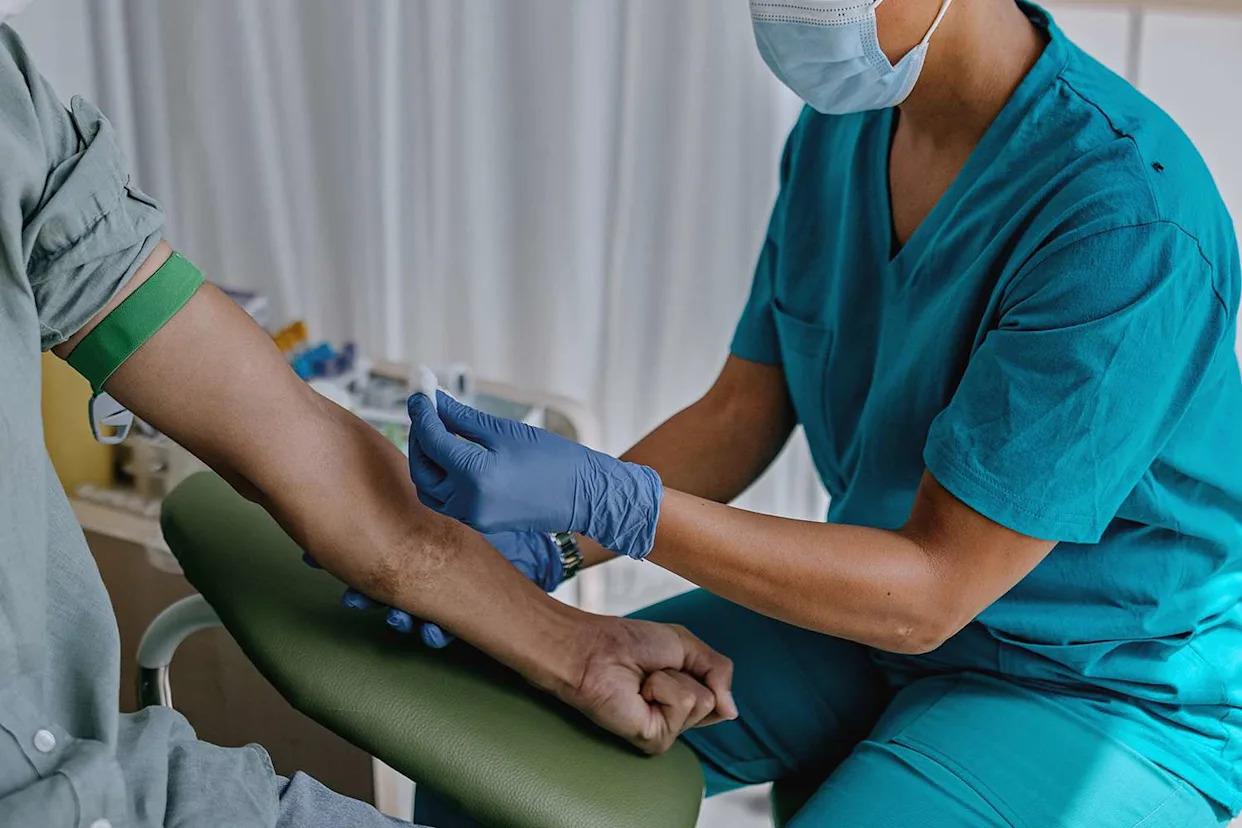
A common concern revolves around the procedure itself. The visa blood test is simple and quick. A trained healthcare professional draws a small blood sample from your arm using sterile equipment.
The process typically takes only a few minutes and is similar to routine medical blood tests. Most applicants experience minimal discomfort, and the procedure is conducted under strict hygiene standards.
Understanding this helps reduce anxiety and makes the experience feel more manageable.
What Diseases Are Tested in a Visa Blood Test?
Applicants often ask what conditions are actually checked during the blood test. The screening usually focuses on infectious diseases that may affect public health.
Common tests include HIV, hepatitis B and C, and syphilis. These are part of standard immigration health screening protocols. In some cases, additional tests may be required depending on your medical history or visa requirements.
These tests are not random but are carefully selected based on global health guidelines.
Do You Need to Fast Before the Test?
Fasting requirements are one of the most confusing aspects for applicants. In many cases, fasting is not mandatory for a visa blood test. However, some medical centers may recommend it depending on the type of blood analysis being conducted.
Even when fasting is not required, it is advisable to avoid alcohol, smoking, and heavy meals before the test. Staying hydrated is always recommended, as it helps with smoother blood sample collection.
Following instructions from your medical center is the best way to ensure accurate results.
How Long Does the Visa Blood Test Take?
The actual blood test procedure is very quick, usually completed within a few minutes. However, the entire medical examination process may take longer due to registration, documentation, and additional tests such as physical exams or chest X-rays.
Applicants should plan to spend some time at the medical center, even though the blood draw itself is brief.
When and How Will You Receive Your Results?
Another common question is about the timeline for results. In most cases, visa blood test results are available within a few days. The exact timing depends on the laboratory and the complexity of the tests.
Typically, the medical center sends the results directly to the immigration authority or uploads them to an official system. Applicants usually do not need to collect or submit the results themselves.
It is always a good idea to confirm this process during your appointment.
What Happens If Your Test Results Are Abnormal?
This is one of the biggest concerns among applicants. If your visa blood test shows abnormal results, it does not automatically mean your visa will be denied.
Instead, you may be asked to undergo additional testing or provide further medical documentation. Immigration authorities consider the severity and impact of the condition before making a decision.
In many cases, manageable health conditions do not prevent visa approval, especially if proper treatment or medical supervision is in place.
Can You Retake the Visa Blood Test If Needed?
Yes, in certain situations, applicants may be required to retake the blood test. This usually happens if there are unclear results, technical issues, or the need for further confirmation.
Retesting is part of ensuring accuracy and fairness in the immigration medical process. It is not a negative sign but rather a step to verify your health status properly.
Is the Visa Blood Test Painful or Risky?
Many people worry about pain or safety. The visa blood test is a routine medical procedure performed by trained professionals. The discomfort is minimal and lasts only a few seconds.
The use of sterile equipment and professional handling ensures that the process is safe. For most applicants, the experience is straightforward and uneventful.
Understanding this can help reduce unnecessary fear before the test.
What Documents Should You Bring to the Appointment?
Applicants often ask what they need to bring for the visa blood test. Essential documents usually include your passport, visa application details, and any required photographs.
If you have previous medical records or ongoing treatment information, it is helpful to bring those as well. Proper documentation ensures a smooth check-in process and helps the medical team perform an accurate evaluation.
Can Lifestyle Choices Affect Test Results:
Yes, lifestyle factors can influence certain aspects of your blood test results. Alcohol consumption, smoking, lack of sleep, and poor diet can affect some health indicators.
While these factors may not drastically change the outcome, it is best to follow healthy habits before your test. Staying hydrated, eating balanced meals, and getting enough rest contribute to more accurate results.
Preparation is a key part of ensuring a smooth visa medical examination process.
How Important Is Honesty During the Medical Exam?
Honesty is extremely important during your visa medical examination. Providing accurate information about your health history helps the medical team conduct a proper assessment.
Hiding or misrepresenting information can lead to complications, additional testing, or delays. Transparency ensures that your application is evaluated fairly and efficiently.
It also helps build trust between you and the immigration authorities.
What Are the Most Common Mistakes Applicants Make?
Many applicants make simple mistakes that can delay the process. These include forgetting documents, not following preparation instructions, or arriving late for the appointment.
Another common mistake is choosing an unauthorized medical center, which can result in test rejection. Being organized and informed helps you avoid these issues.
Careful preparation ensures that your visa blood test process goes smoothly.
Final Thoughts on Visa Blood Test Questions:
The visa Lab tests is a standard and essential part of the immigration process, yet it often raises many questions. By understanding the answers to these common concerns, applicants can approach the process with confidence and clarity.
From knowing what to expect during the procedure to understanding how results are handled, every step becomes easier when you are well-informed. The key is to stay prepared, follow instructions, and view the test as a routine requirement rather than a challenge.
With the right mindset and preparation, the visa blood test becomes a simple step toward achieving your international goals.

 English
 Arabic
 French
 Portuguese
 Deutsch
 Turkish
 Dutch
Dutch
 Italiano
 Russian
 Romaian
 Portuguese (Brazil)
 Greek
Greek