


How Real Estate Asset Tokenization Works Step by Step
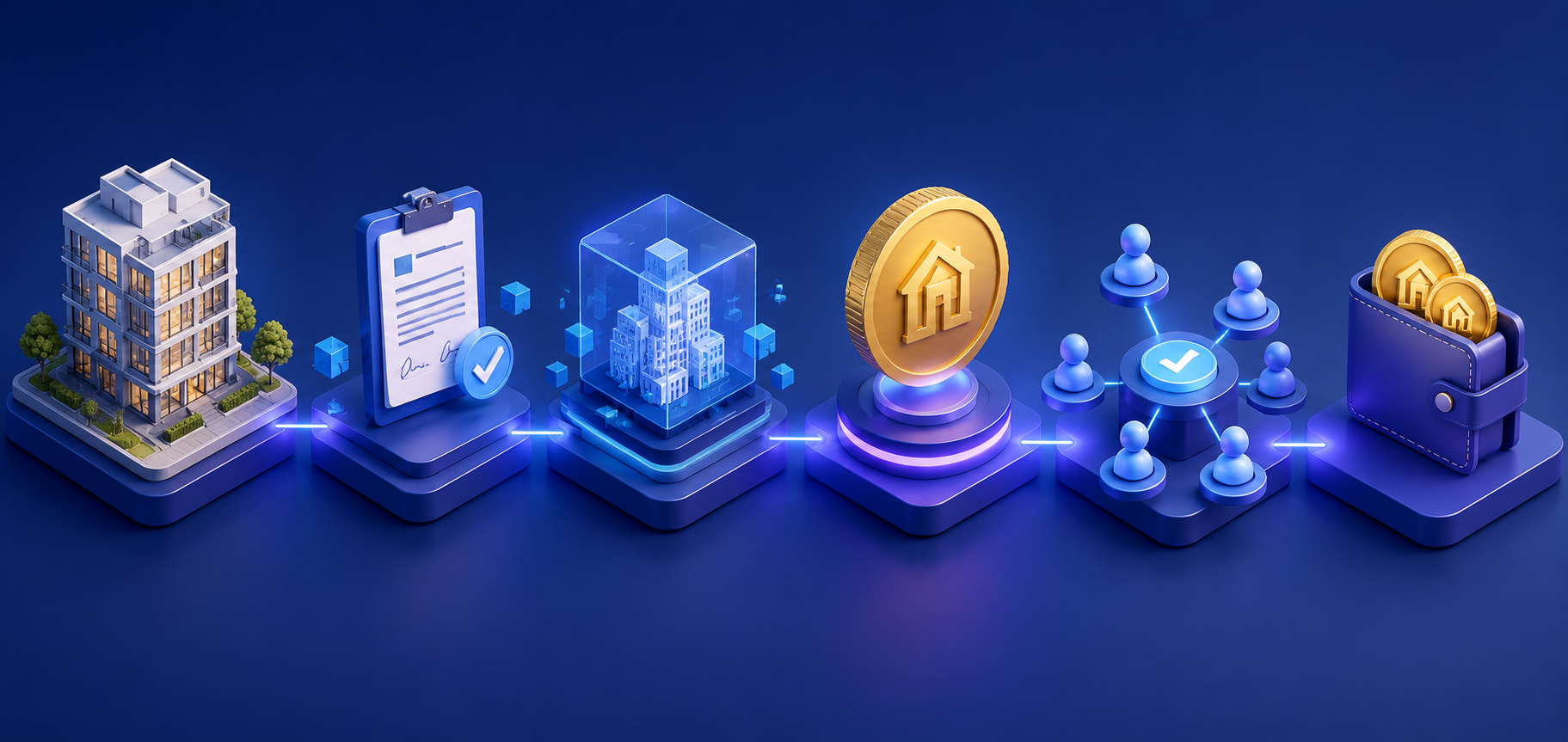
Real estate has always been considered a reliable investment, but it often comes with barriers such as high capital requirements, lengthy paperwork, and limited liquidity. In recent years, a new approach has started to gain attention: real estate asset tokenization. This model allows property ownership to be divided into digital units, making it possible for more people to participate in property investments without the usual complications.
In simple terms, real estate asset tokenization converts ownership rights of a property into digital tokens recorded on a blockchain. These tokens can represent shares in a property, giving investors fractional ownership. This blog walks through how the entire process works step by step, from selecting a property to trading tokens in secondary markets.
What Is Real Estate Asset Tokenization?
Real estate asset tokenization refers to the process of converting ownership rights of a physical property into digital tokens. Each token represents a portion of the asset. Instead of one buyer purchasing an entire property, multiple investors can hold smaller shares.
This approach is part of a broader shift in how assets are managed digitally. Real Estate Tokenization allows investors to access properties that may have been out of reach due to financial limitations.
Why Tokenization Is Gaining Attention
Before diving into the process, it is helpful to understand why businesses and investors are considering this model:
- Lower entry barriers for investors
- Fractional ownership opportunities
- Faster transactions compared to traditional property deals
- Access to a global investor base
- Potential for improved liquidity
Many organizations offering Real Estate Tokenization Services are focusing on simplifying these aspects for both property owners and investors.
Step-by-Step Process of Real Estate Asset Tokenization
Step 1: Asset Selection and Evaluation
The first stage involves selecting a property that will be tokenized. This could be a residential building, commercial office, hotel, or even land. The property must undergo detailed evaluation to determine its value and legal status.
Key activities in this stage:
- Property valuation by professionals
- Legal verification of ownership
- Assessment of income potential
- Risk analysis
A Real Estate Tokenization company typically works with legal advisors and valuation experts to complete this phase.
Step 2: Structuring the Asset
Once the property is selected, it needs to be structured in a way that allows tokenization. In many cases, a legal entity such as a Special Purpose Vehicle (SPV) is created. The property is then owned by this entity, and tokens represent shares in it.
Methods used in structuring:
- Creating an SPV for ownership separation
- Defining investor rights and obligations
- Setting governance rules
- Determining revenue distribution models
This stage is crucial because it connects the physical asset with its digital representation.
Step 3: Legal and Regulatory Compliance
Real estate transactions are subject to strict legal frameworks. Tokenization must comply with local and international regulations related to securities, property laws, and digital assets.
Important compliance steps:
- KYC (Know Your Customer) verification
- AML (Anti-Money Laundering) checks
- Securities law adherence
- Regulatory approvals where required
Real Estate Tokenization Development Services often include legal consultation to handle these requirements.
Step 4: Token Creation
After the legal structure is in place, digital tokens are created. These tokens represent ownership shares in the property and are recorded on a blockchain network.
Each token has predefined attributes such as:
- Ownership percentage
- Rights to rental income
- Voting rights in decision-making
Methods involved in token creation:
- Smart contract development
- Token standards selection (such as ERC-20 or ERC-1400)
- Allocation of tokens based on property value
A real estate tokenization development process focuses heavily on creating secure and reliable smart contracts.
Step 5: Platform Development
To manage and distribute tokens, a digital platform is required. This platform acts as the interface where investors can view, buy, and manage their tokens.
Features of such platforms:
- User registration and verification
- Property listing and details
- Investment dashboards
- Payment integration
- Reporting and analytics
Real Estate Tokenization Platform Development plays an important role here, as the platform must handle both financial transactions and investor data securely.
Step 6: Token Offering
Once tokens are created, they are offered to investors through a process similar to a digital securities offering. Investors can purchase tokens based on their budget and investment goals.
Methods used for token distribution:
- Private sales to selected investors
- Public offerings on digital platforms
- Institutional investment rounds
A Real Estate Tokenization Development company may assist in structuring these offerings to attract different types of investors.
Step 7: Investment and Ownership Distribution
Investors purchase tokens using fiat currency or cryptocurrencies, depending on the platform. Once the transaction is complete, ownership is recorded on the blockchain.
Each investor receives:
- A share of the property
- Rights to income generated
- Access to investment records
This is where real estate asset tokenization starts functioning as a live investment model.
Step 8: Asset Management
After token distribution, the property needs to be managed just like any traditional real estate asset. This includes maintenance, tenant management, and financial reporting.
Asset management activities:
- Rent collection
- Maintenance and repairs
- Financial reporting to investors
- Performance tracking
Many Real Estate Tokenization Services include ongoing asset management support.
Step 9: Income Distribution
One of the main benefits for investors is earning income from the property. Rental income or profits from the asset are distributed among token holders based on their ownership percentage.
Methods for income distribution:
- Periodic payouts (monthly or quarterly)
- Automated distribution through smart contracts
- Reinvestment options
This process reduces delays compared to traditional systems.
Step 10: Secondary Market Trading
Tokenized real estate allows investors to trade their tokens in secondary markets. This provides flexibility, as investors do not have to wait for the property to be sold to exit their investment.
Features of secondary trading:
- Buying and selling tokens on digital exchanges
- Real-time pricing based on demand
- Increased liquidity compared to traditional real estate
Real estate tokenization development focuses on integrating these trading capabilities into platforms.
Technologies Behind Real Estate Tokenization
Several technologies work together to support this model:
Blockchain Technology
Used to record ownership and transactions securely.
Smart Contracts
Automate processes such as token issuance and income distribution.
Digital Wallets
Store tokens and allow investors to manage their assets.
Identity Verification Systems
Ensure compliance with regulations.
A Real Estate Tokenization company usually combines these technologies into a single ecosystem.
Benefits of Real Estate Asset Tokenization
1. Fractional Ownership
Investors can own small portions of high-value properties.
2. Increased Liquidity
Tokens can be traded more easily than physical assets.
3. Global Access
Investors from different regions can participate.
4. Reduced Intermediaries
Fewer middlemen are involved in transactions.
5. Faster Transactions
Digital processes reduce time delays.
Challenges to Consider
While the model offers many advantages, there are also challenges:
- Regulatory uncertainty in some regions
- Market adoption still in progress
- Technology risks such as smart contract vulnerabilities
- Limited awareness among traditional investors
Real Estate Tokenization Development Services often address these concerns by offering compliance and security solutions.
Role of Development Companies
A Real Estate Tokenization Development company plays a major role in implementing these solutions. Their responsibilities include:
- Designing tokenization frameworks
- Developing smart contracts
- Building investment platforms
- Managing compliance processes
- Providing ongoing technical support
Businesses entering this space often rely on such companies to handle the technical and legal complexities.
Future Outlook
Real estate asset tokenization is still evolving, but it is gradually becoming part of modern investment strategies. As regulations become clearer and platforms improve, more investors and property owners are likely to participate.
The concept of owning a fraction of a property through digital tokens is gaining acceptance, especially among younger investors and those familiar with digital assets.
Conclusion
Real estate asset tokenization introduces a structured way to digitize property ownership and make it accessible to a wider audience. From asset selection to secondary trading, each step involves a combination of legal, financial, and technological processes.
By understanding how Real Estate Tokenization works step by step, investors and businesses can make informed decisions about entering this space. Whether through a Real Estate Tokenization company or independent platforms, the process continues to develop as more participants adopt this model.
As the ecosystem matures, real estate tokenization development and related services will continue to refine how properties are owned, managed, and traded in the digital era.

 English
 Arabic
 French
 Spanish
 Portuguese
 Turkish
 Dutch
Dutch
 Italiano
 Russian
 Romaian
 Portuguese (Brazil)
 Greek
Greek