


Blood Test Preparation Tips for Accurate Results
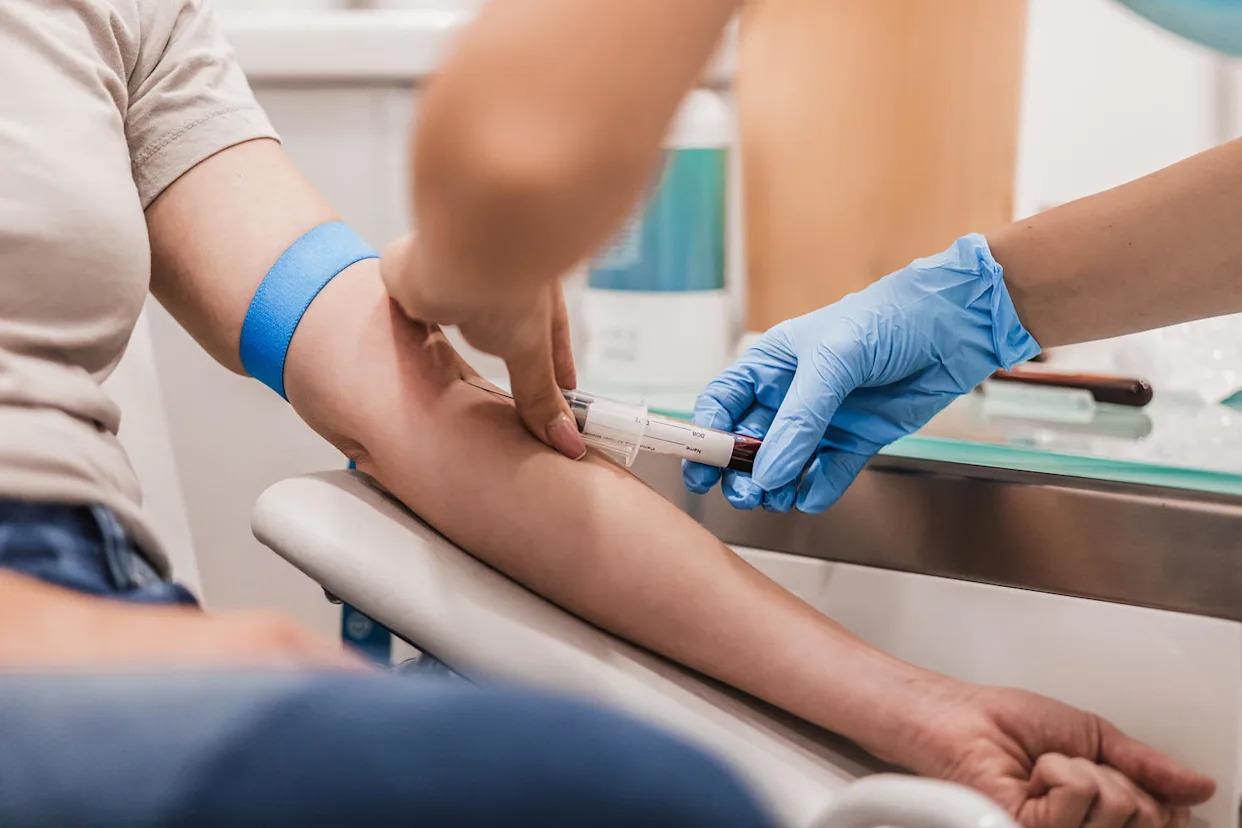
Blood tests are one of the most reliable tools used in modern healthcare to evaluate overall wellness, diagnose medical conditions, and monitor ongoing treatments. However, many people do not realize that preparation before a blood test can significantly influence the accuracy of the results. Factors such as diet, hydration, medications, exercise, and sleep can temporarily alter blood chemistry and affect laboratory findings.
Accurate Blood Test in Dubai results help healthcare providers make correct diagnoses and treatment decisions. Improper preparation may lead to misleading readings, unnecessary repeat testing, or incorrect medical interpretation. Understanding how to prepare for blood testing is essential for obtaining reliable laboratory results and supporting better health monitoring.
How Blood Tests Reflect Your Overall Health?
Blood circulates throughout the body carrying oxygen, nutrients, hormones, enzymes, and waste products. Because of this, blood analysis provides important information about organ function, metabolic health, immune activity, and nutritional status.
Routine blood screening can help detect:
- Diabetes
- High cholesterol
- Liver disease
- Kidney dysfunction
- Hormonal imbalance
- Vitamin deficiencies
- Infection and inflammation
To ensure these health indicators are measured accurately, proper preparation before sample collection is extremely important.
Understanding Different Types of Blood Tests:
Not every blood test requires the same preparation. Some laboratory tests need fasting, while others may allow normal eating and drinking.
Fasting Blood Tests:
Fasting tests require avoiding food and certain beverages for several hours before blood collection.
Common fasting tests include:
- Fasting blood sugar
- Lipid profile
- Glucose tolerance test
Eating before these tests may temporarily increase blood sugar or cholesterol levels, affecting result accuracy.
Non-Fasting Blood Tests:
Certain blood tests do not require fasting. These may include:
- Complete Blood Count
- Thyroid function test
- Vitamin D screening
- Hormone testing
Even for non-fasting tests, healthy preparation habits remain important.
Follow Fasting Instructions Carefully:
One of the most important blood test preparation tips is following fasting instructions exactly as directed by your healthcare provider.
Why Fasting Matters:
Food and beverages can influence blood chemistry by changing:
- Glucose levels
- Triglycerides
- Cholesterol readings
- Insulin response
Fasting allows laboratories to measure baseline values without interference from recent meals.
What You Can Usually Consume During Fasting:
In most cases, plain water is allowed during fasting periods because hydration supports healthy blood circulation and easier blood collection.
However, patients should avoid:
- Coffee
- Tea
- Juice
- Soft drinks
- Alcohol
- Chewing gum
Even small amounts of sugar or caffeine may affect laboratory results.
Stay Hydrated Before Blood Testing:
Hydration plays a major role in accurate blood collection and test reliability.
Benefits of Drinking Water Before a Blood Test:
Proper hydration helps:
- Improve blood flow
- Make veins easier to locate
- Reduce dizziness
- Prevent dehydration-related concentration changes
Dehydration can sometimes affect blood test readings by increasing the concentration of certain substances in the bloodstream.
How Much Water Should You Drink?
Drinking moderate amounts of water before testing is usually recommended unless your doctor provides different instructions.
Avoid excessive water intake because overhydration may dilute certain blood markers.
Avoid Alcohol Before Laboratory Testing:
Alcohol consumption can temporarily affect several important blood markers.
How Alcohol Influences Blood Test Results:
Alcohol may alter:
- Liver enzymes
- Blood sugar levels
- Triglycerides
- Hydration status
These changes may interfere with diagnostic accuracy, especially for liver function tests and metabolic screening.
Recommended Alcohol-Free Period:
Healthcare providers often recommend avoiding alcohol for at least 24 hours before blood testing.
Be Careful With Medications and Supplements:
Many medications and dietary supplements can affect blood chemistry and laboratory findings.
Common Substances That Influence Blood Tests:
These may include:
- Antibiotics
- Pain relievers
- Hormonal medications
- Iron supplements
- Vitamin supplements
- Herbal remedies
Certain medications can affect liver enzymes, glucose levels, hormone readings, and kidney function markers.
What You Should Do Before Testing:
Always inform your healthcare provider about:
- Prescription medications
- Over-the-counter drugs
- Vitamins
- Herbal supplements
Do not stop medications unless instructed by a doctor.
Avoid Intense Exercise Before Blood Testing:
Physical activity affects several biological processes in the body.
How Exercise Impacts Blood Test Results:
Strenuous exercise may temporarily influence:
- Muscle enzymes
- Blood sugar
- Hormone levels
- Inflammation markers
Heavy workouts before laboratory testing can sometimes produce misleading results.
Recommended Exercise Guidelines:
Light daily movement is usually acceptable, but intense exercise should generally be avoided for 24 hours before testing.
Get Enough Sleep Before Your Blood Test:
Sleep quality plays an important role in metabolic function and hormone regulation.
How Sleep Affects Blood Chemistry:
Poor sleep may influence:
- Cortisol levels
- Blood glucose
- Blood pressure
- Immune system activity
Sleep deprivation can temporarily disrupt hormone balance and stress responses.
Best Sleep Practices Before Testing:
Aim for a full night of quality sleep before laboratory testing to support more accurate results.
Manage Stress and Anxiety Before Testing:
Stress affects the body in multiple ways and may temporarily alter blood chemistry.
Stress-Related Changes in Blood Tests:
High stress levels can affect:
- Blood pressure
- Hormone production
- Blood sugar
- Immune response
Anxiety before blood collection may also increase heart rate and cortisol levels.
Tips for Staying Calm:
Helpful stress-reduction techniques include:
- Deep breathing
- Relaxation exercises
- Staying hydrated
- Arriving early for appointments
Remaining calm supports a smoother blood collection experience.
Wear Comfortable Clothing for Blood Collection?
Simple preparation choices can make the blood testing process easier.
Why Clothing Matters:
Loose-fitting sleeves allow healthcare professionals easier access to veins during sample collection.
Comfortable clothing may also reduce stress and improve the overall testing experience.
Understand Morning Blood Test Scheduling:
Many blood tests are scheduled during the morning because certain biological markers naturally fluctuate throughout the day.
Why Morning Testing Is Common:
Morning testing helps standardize measurements for:
- Cortisol
- Blood glucose
- Hormones
- Cholesterol
Fasting overnight is also easier for most individuals.
Common Mistakes People Make Before Blood Tests:
Certain habits may unintentionally affect laboratory results.
Eating Without Realizing It Matters:
Even small snacks or sugary drinks may affect fasting blood tests.
Drinking Coffee During Fasting:
Caffeine can influence glucose metabolism and hydration status.
Skipping Water:
Avoiding water completely may make blood collection more difficult.
Exercising Too Intensely:
Heavy physical activity before testing can temporarily alter blood markers.
Forgetting Medication Information:
Incomplete medication history may affect result interpretation.
Understanding these common mistakes can help improve laboratory accuracy.
What Happens During a Blood Test Procedure?
Blood sample collection is usually quick and simple.
A healthcare professional will:
- Clean the skin with antiseptic
- Insert a sterile needle into a vein
- Collect blood into testing tubes
- Apply pressure after removing the needle
The procedure generally takes only a few minutes. Mild bruising or slight discomfort may occur temporarily.
How Accurate Blood Tests Support Better Healthcare?
Reliable blood test results allow healthcare providers to:
- Diagnose diseases early
- Monitor treatment effectiveness
- Evaluate organ health
- Identify nutritional deficiencies
- Assess chronic disease risk
Accurate laboratory findings support better preventive healthcare and treatment planning.
Blood Test Preparation for Specific Health Conditions:
Certain individuals may require additional preparation instructions based on medical history.
Diabetes Patients:
People with diabetes should follow their doctor’s instructions regarding insulin and fasting.
Pregnant Women:
Pregnancy-related hormone changes may influence blood chemistry and testing schedules.
Individuals Taking Blood Thinners:
Patients using anticoagulant medications may require special precautions during blood collection.
Always follow personalized guidance from healthcare professionals.
The Role of Preventive Blood Screening:
Routine blood testing supports preventive medicine by identifying hidden abnormalities before symptoms appear.
Preventive blood screening can help detect:
- Prediabetes
- High cholesterol
- Hormonal imbalance
- Vitamin deficiencies
- Kidney disease
- Liver dysfunction
Early diagnosis improves treatment success and supports long-term wellness.
Healthy Lifestyle Habits That Improve Blood Test Results:
Daily habits strongly influence blood chemistry and overall health.
Eat a Balanced Diet:
Nutritious foods support healthy cholesterol, blood sugar, and organ function.
Exercise Regularly:
Moderate physical activity improves circulation and metabolic health.
Stay Hydrated:
Proper hydration supports healthy blood flow and kidney function.
Avoid Smoking:
Smoking negatively affects cardiovascular and respiratory health.
Maintain Healthy Weight:
Weight management supports balanced glucose and cholesterol levels.
Final Thoughts:
Proper preparation before a Lab tests is essential for obtaining accurate and reliable laboratory results. Simple habits such as fasting correctly, staying hydrated, avoiding alcohol, managing stress, and following medical instructions can significantly improve testing accuracy.
Blood tests play a critical role in preventive healthcare, disease diagnosis, and long-term wellness monitoring. Accurate blood analysis helps healthcare providers evaluate organ function, monitor chronic conditions, detect nutritional deficiencies, and identify health risks early.
By understanding blood test preparation tips and maintaining healthy lifestyle habits, individuals can ensure more dependable laboratory results and make informed decisions about their overall health and wellbeing.

 English
 Arabic
 French
 Spanish
 Portuguese
 Deutsch
 Turkish
 Dutch
Dutch
 Russian
 Romaian
 Portuguese (Brazil)
 Greek
Greek