


Designing Reports for Modern Brands
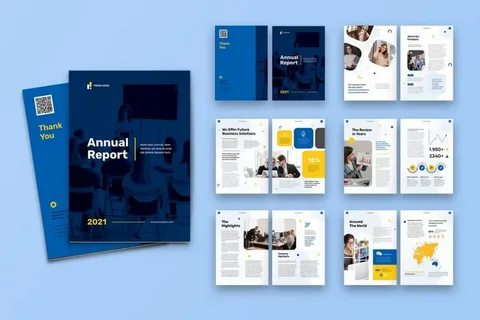
Businesses today need more than simple documents to communicate financial performance and company achievements. A professional annual report design helps organizations present their information in a clear, engaging, and visually appealing way. Modern companies understand that annual reports are not only financial summaries but also branding tools that build trust with investors, clients, and stakeholders.
A well-designed annual report creates a strong first impression. Readers are more likely to stay engaged when information is organized with creative layouts, quality visuals, and easy-to-read formatting. Companies across different industries are investing in professional design strategies to ensure their reports reflect their brand identity and corporate values.
Why Annual Reports Matter
Annual reports provide a detailed overview of a company’s performance over the past year. They include financial data, achievements, future goals, operational highlights, and management insights. These reports help investors and stakeholders evaluate business growth and decision-making.
However, large blocks of text and complex financial information can overwhelm readers. This is why design plays a major role in improving readability and communication. A professionally structured report transforms complicated data into visually understandable content through charts, graphics, and organized sections.
Modern audiences expect reports that are both informative and visually engaging. Businesses that ignore design may struggle to maintain reader interest, while companies that invest in creative presentation often leave a more positive impression.
The Role of Branding in Report Design
Consistency in branding is one of the most important elements of an effective annual report. Every page should align with the company’s visual identity, including colors, typography, logos, and imagery. A consistent design reinforces professionalism and helps audiences recognize the company instantly.
Brand-focused reports also strengthen emotional connections with stakeholders. Instead of presenting only numbers, businesses can tell a story about their mission, achievements, and future vision. Combining storytelling with strategic visuals creates a more memorable experience for readers.
For example, companies can include employee success stories, sustainability initiatives, and customer achievements alongside financial data. This approach makes reports more relatable and engaging.
Key Elements of a Successful Annual Report
Several important components contribute to a successful report design. Companies that focus on these areas often create more impactful documents.
Clear Layout and Structure
Readers should easily navigate the report without confusion. Organized sections, headings, and spacing improve readability and allow users to find information quickly.
Visual Data Presentation
Charts, graphs, and infographics simplify complex information. Instead of long explanations, visual elements communicate trends and statistics in a faster and more effective way.
High-Quality Imagery
Professional photography and custom illustrations add personality to the report. Images can showcase company culture, projects, products, and achievements.
Consistent Typography
Readable fonts and proper text hierarchy make content easier to understand. Headlines, subheadings, and body text should maintain consistency throughout the report.
Interactive Digital Features
Many businesses now use digital reports with clickable navigation, animations, and embedded media. Interactive reports improve engagement and provide a modern reading experience.
Importance of User Experience
User experience has become a major priority in report creation. Readers prefer reports that are simple, visually balanced, and accessible on multiple devices. Mobile-friendly and digital formats are increasingly important because many stakeholders review reports online.
A clean design with proper spacing and intuitive navigation improves the overall reading experience. Businesses that prioritize usability demonstrate professionalism and attention to detail.
Accessibility is another essential factor. Reports should use readable font sizes, sufficient contrast, and clear formatting so all audiences can access information comfortably.
Sustainability and Corporate Responsibility
Many organizations now include sustainability and social responsibility sections in their reports. These areas highlight environmental initiatives, community involvement, and ethical business practices.
Designers often use natural colors, minimalist layouts, and impactful visuals to emphasize sustainability themes. This approach helps companies communicate their commitment to responsible growth and transparency.
Stakeholders increasingly value businesses that prioritize environmental and social impact. Including these topics in annual reports can improve brand reputation and strengthen customer trust.
Digital Transformation in Reporting
Traditional printed reports are gradually being replaced by digital formats. Online annual reports offer flexibility, interactivity, and cost efficiency. Businesses can update information more easily and reach a wider audience through digital platforms.
Modern digital reports may include videos, animations, clickable menus, and responsive layouts. These features create a more engaging experience and allow users to explore content at their own pace.
Digital formats also support environmentally friendly practices by reducing paper usage. Many organizations are adopting paperless reporting strategies as part of their sustainability goals.
Choosing the Right Design Approach
Every business has different reporting needs. A corporate financial firm may prefer a clean and formal style, while a creative agency might choose a bold and visually dynamic approach. Understanding the target audience is essential when selecting design elements.
Professional designers typically begin by identifying the company’s goals, audience expectations, and branding requirements. They then create layouts that balance creativity with clarity.
An effective report should communicate information accurately while maintaining visual appeal. Too many design elements can distract readers, while overly simple layouts may fail to capture attention. Finding the right balance is the key to success.
Conclusion
A strong annual report goes beyond financial reporting. It serves as a powerful communication and branding tool that reflects a company’s professionalism, vision, and achievements. Businesses that invest in quality design often create better engagement with investors, stakeholders, and customers.
Modern trends in annual report creation focus on storytelling, visual communication, digital accessibility, and user experience. By combining clear structure with creative presentation, companies can transform complex information into meaningful content.
For businesses looking to create impactful and professional reports, Pepperit delivers innovative solutions that help brands communicate with confidence and clarity.

 English
 Arabic
 French
 Spanish
 Portuguese
 Turkish
 Dutch
Dutch
 Italiano
 Russian
 Romaian
 Portuguese (Brazil)
 Greek
Greek