


Everything Included in a Standard Visa Blood Test
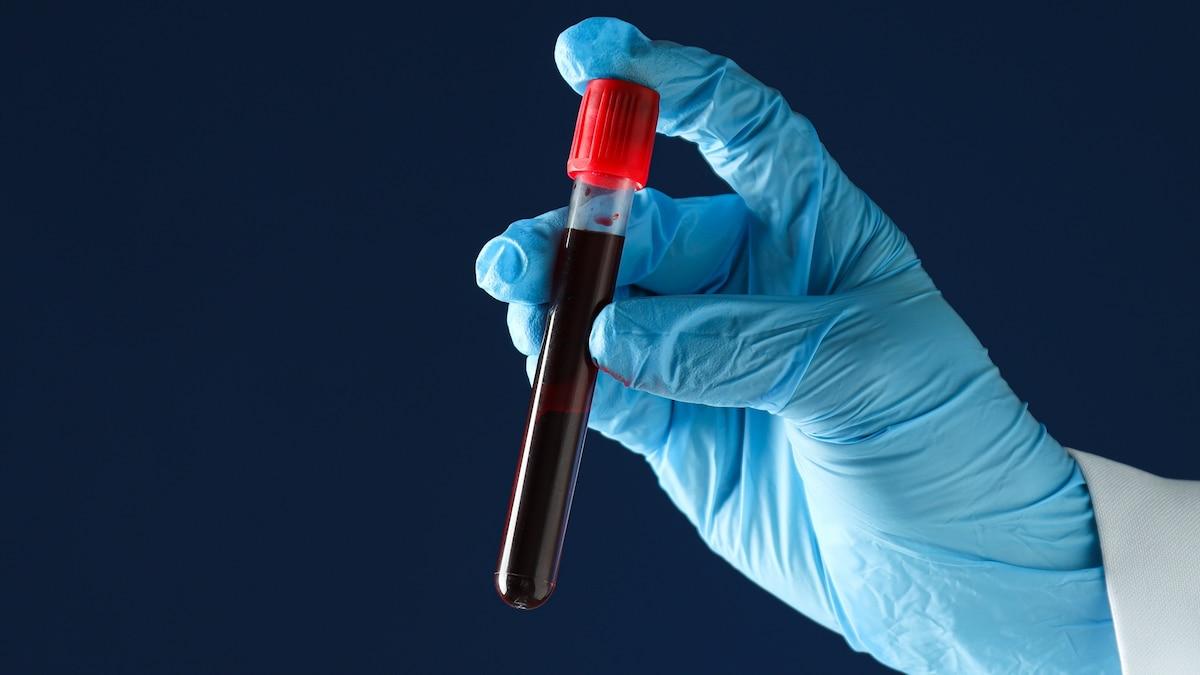
A visa application is not only about documents, interviews, and travel plans—it also includes an important medical screening stage. One of the key components of this screening is the visa blood test, which helps immigration authorities assess an applicant’s overall health and ensure compliance with public health regulations.
For many applicants, the process feels unclear because they do not know what exactly is included in a standard Visa Blood Test Dubai. Understanding the components in advance can help reduce anxiety, improve preparation, and ensure a smooth medical experience.
What Is a Standard Visa Blood Test?
A standard visa blood test is part of an immigration medical examination used to evaluate an individual’s health condition before approving a visa. It involves collecting a blood sample and analyzing it in a certified laboratory to screen for specific diseases and general health indicators.
It is commonly required for:
-
Work visas
-
Student visas
-
Permanent residency applications
-
Immigration sponsorship programs
-
Long-term travel or relocation visas
Each country has its own immigration health policies, but most follow a similar set of standard blood tests.
Why Visa Blood Tests Are Required?
Visa blood tests are not random medical procedures. They are part of a structured immigration health system designed to protect both applicants and receiving countries.
These tests help:
-
Identify infectious diseases early
-
Maintain public health safety
-
Ensure workplace fitness
-
Support immigration medical standards
-
Reduce healthcare system risks
By screening health conditions early, immigration authorities can make informed decisions about visa eligibility.
Core Components of a Standard Visa Blood Test:
A standard visa blood test typically includes several essential screenings. These tests are selected based on international medical guidelines and immigration requirements.
HIV Screening:
One of the most common components is HIV testing, which checks for the presence of the Human Immunodeficiency Virus.
This test is included because:
-
It helps monitor public health safety
-
It supports long-term medical planning
-
It is required in many immigration systems
The test is performed using a small blood sample and provides highly accurate results.
Hepatitis B Testing:
Hepatitis B is a viral infection that affects the liver and can be transmitted through blood and bodily fluids.
Visa blood tests often include:
-
Hepatitis B surface antigen (HBsAg) test
-
Liver infection screening
This helps identify active infections and assess liver health status.
Hepatitis C Testing:
Hepatitis C screening is another common component in immigration medical testing.
It helps detect:
-
Chronic liver infections
-
Bloodborne viral conditions
-
Long-term liver health risks
Early detection is important for medical management and immigration evaluation.
Syphilis Screening:
Syphilis is a bacterial infection that is often included in standard visa blood tests due to its public health relevance.
This test:
-
Detects current or past infection
-
Supports communicable disease control
-
Ensures medical fitness for long-term stay
It is usually performed using serological blood testing methods.
Complete Blood Count (CBC):
A Complete Blood Count is one of the most important parts of a visa blood test because it provides a general overview of overall health.
A CBC test includes analysis of:
-
Red blood cells (oxygen transport)
-
White blood cells (immune function)
-
Hemoglobin levels
-
Platelet count
This test helps identify infections, anemia, and blood disorders.
Blood Sugar Testing:
Blood glucose testing is included in many visa medical examinations to assess metabolic health and detect diabetes or pre-diabetic conditions.
It helps evaluate:
-
Fasting blood sugar levels
-
Glucose metabolism
-
Risk of diabetes-related complications
Some countries require fasting before this test for accurate results.
Kidney and Liver Function Indicators:
Although not always included in every Visa Blood Test Dubai, many standard panels assess organ function through blood markers.
These may include:
-
Liver enzyme levels (ALT, AST)
-
Kidney function markers (creatinine, urea)
-
Electrolyte balance
These tests help evaluate how well vital organs are functioning.
Tuberculosis-Related Blood Screening (In Some Cases):
While TB is often checked using chest X-rays, some immigration systems also include blood-based tuberculosis screening.
This helps:
-
Detect latent TB infection
-
Assess immune response to TB bacteria
-
Support early treatment if needed
This requirement depends on the destination country.
General Infection Markers:
Some visa blood tests also include markers that indicate infection or inflammation in the body.
These may involve:
-
C-reactive protein (CRP)
-
White blood cell variation
-
Inflammation indicators
These results help doctors assess overall health status.
Additional Tests Based on Visa Type:
Depending on the visa category, additional tests may be included in the standard panel.
For example:
Work Visa Requirements:
-
Drug screening (in some countries)
-
Fitness-related health checks
-
Occupational health evaluation
Student Visa Requirements:
-
Basic infectious disease screening
-
General health assessment
Immigration or Residency Visas:
-
Full medical panel
-
Comprehensive organ function tests
-
Extended disease screening
What Is NOT Usually Included?
Many applicants assume a visa blood test includes a full body diagnosis, but it is actually limited to specific screenings.
Typically NOT included:
-
Genetic testing
-
Cancer screening
-
Advanced imaging (unless required separately)
-
Specialized specialist diagnostics
Only immigration-required tests are performed.
How the Blood Sample Is Processed?
After collection, the blood sample goes through several steps:
-
Labeling and verification
-
Transport to certified laboratory
-
Automated and manual testing
-
Quality control checks
-
Report generation
Each step follows strict medical and immigration protocols.
Importance of Standardization in Visa Blood Tests:
Visa blood tests are standardized to ensure consistency across applicants.
Standardization ensures:
-
Fair evaluation for all applicants
-
Reliable test results
-
International medical compliance
-
Reduced errors in reporting
This makes the immigration process more transparent and efficient.
Factors That Influence Test Requirements:
Not every applicant undergoes the exact same blood test panel. Requirements may vary based on:
-
Country of destination
-
Visa type and duration
-
Applicant’s age and occupation
-
Health history disclosures
-
Immigration regulations
Always follow instructions from the authorized medical center.
Preparation for a Standard Visa Blood Test:
Proper preparation helps ensure accurate results.
Recommended steps include:
-
Following fasting instructions if required
-
Avoiding alcohol before testing
-
Staying hydrated
-
Getting enough rest
-
Informing doctors about medications
Preparation reduces the chances of repeat testing.
Common Misconceptions About Visa Blood Tests:
Many applicants misunderstand what the test includes. Common myths include:
-
It tests for all diseases: false
-
It guarantees visa approval: false
-
Abnormal results always mean rejection: false
-
It is painful or risky: false
In reality, it is a simple and routine medical screening.
Final Thoughts:
A standard visa Lab tests includes a carefully selected set of medical screenings designed to evaluate overall health and ensure compliance with immigration requirements. From infectious disease testing like HIV and hepatitis to general health checks such as CBC and blood sugar analysis, each component serves a specific purpose in protecting public health and supporting safe international travel.
Understanding what is included in the test helps applicants prepare better, reduce stress, and complete their immigration medical process smoothly. With proper awareness and preparation, the visa blood test becomes a straightforward step toward achieving your travel, study, or immigration goals.

 Arabic
 French
 Spanish
 Portuguese
 Deutsch
 Turkish
 Dutch
Dutch
 Italiano
 Russian
 Romaian
 Portuguese (Brazil)
 Greek
Greek