


PM Surya Ghar Yojana Assam: Rooftop Solar Scheme Guide
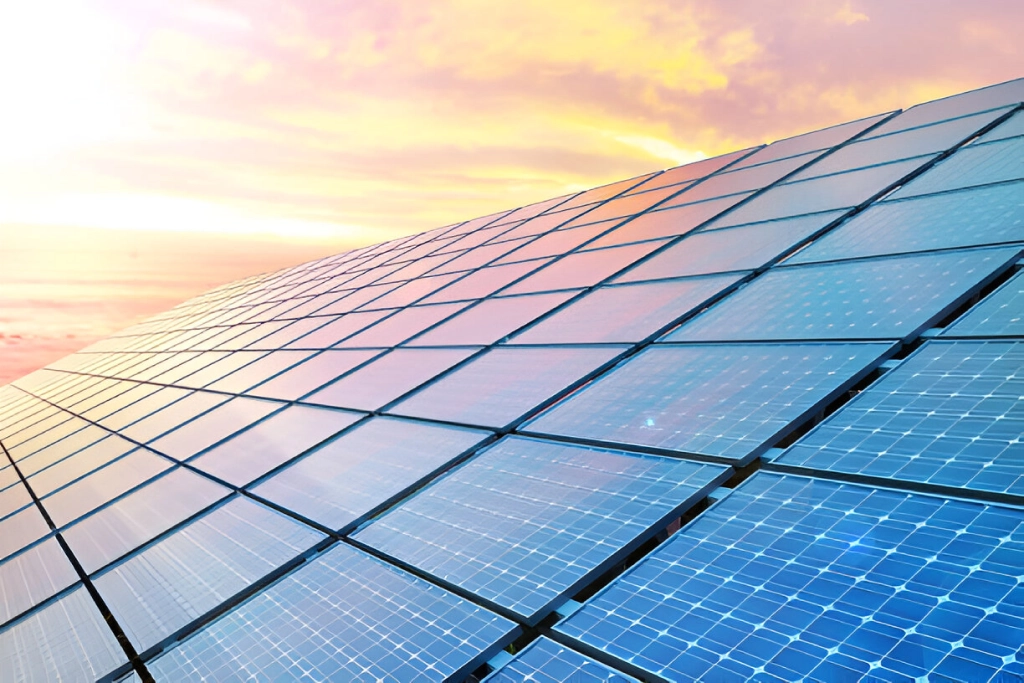
Electricity demand is increasing quickly in both urban and rural areas of Assam. Many households are looking for ways to reduce electricity bills and use cleaner energy sources for daily needs.
The government of India has introduced a rooftop solar initiative to help families generate their own electricity at home through solar panels. This scheme supports clean energy adoption and provides financial assistance to eligible households.
In recent months, pm surya ghar yojana assam has become an important topic for homeowners who want to install rooftop solar systems and lower their monthly power expenses. The scheme offers subsidies, easier application procedures, and long-term savings for residential users.
This guide explains everything about the scheme in very simple language, including eligibility, benefits, subsidy details, application process, required documents, and important points for Assam residents.
What is PM Surya Ghar Yojana?
The PM Surya Ghar Yojana is a central government rooftop solar scheme launched to encourage households to produce solar energy from their rooftops. Under this program, eligible residential consumers can install solar panels and receive government subsidy support.
The main goal of the scheme is to:
- Reduce electricity bills for households
- Promote clean and renewable energy
- Reduce dependency on traditional electricity sources
- Encourage rooftop solar installation across India
- Support environmentally friendly energy production
The scheme is especially useful for states like Assam where electricity usage is increasing due to urban development and rising household needs.
Importance of Rooftop Solar in Assam
Assam receives good sunlight for rooftop solar generation in many regions. Solar energy can help households manage electricity costs while supporting cleaner power generation.
Some major reasons why rooftop solar is important in Assam include:
1. Rising Electricity Bills
Many families face increasing electricity expenses every year. Solar systems help reduce dependency on grid electricity.
2. Environment-Friendly Energy
Solar power does not create pollution during electricity generation. It helps reduce carbon emissions and supports cleaner surroundings.
3. Better Energy Independence
Households can produce their own electricity instead of depending fully on external supply.
4. Long-Term Savings
Although rooftop solar installation requires an initial investment, it provides savings for many years.
5. Government Subsidy Support
The scheme provides subsidy benefits that reduce the total installation cost for homeowners.
Key Features of PM Surya Ghar Yojana Assam
The scheme offers several important benefits for residential users in Assam.
Financial Subsidy
Eligible homeowners receive subsidy support from the government for rooftop solar installation.
Online Application Process
Applicants can apply through the official online portal without complicated paperwork.
Residential Focus
The scheme is mainly designed for residential households.
Net Metering Facility
Users can send extra electricity back to the grid and receive benefits through net metering.
Approved Vendors
Consumers can select registered and approved vendors for installation work.
Benefits of PM Surya Ghar Yojana Assam
Lower Monthly Electricity Bills
One of the biggest advantages is reduced electricity expenses. Solar panels generate power during daytime and reduce dependency on grid electricity.
Long Operational Life
Most rooftop solar systems work efficiently for 20 to 25 years with proper maintenance.
Low Maintenance Requirement
Solar systems generally require limited maintenance. Regular cleaning and periodic inspection are usually enough.
Eco-Friendly Energy Solution
Solar energy is renewable and clean. It helps reduce environmental impact.
Increased Property Value
Homes with rooftop solar systems may attract better market value in some cases.
Energy Security
Power cuts and electricity fluctuations can sometimes affect households. Solar systems help improve energy reliability.
Eligibility Criteria for PM Surya Ghar Yojana Assam
To apply for the scheme, applicants must meet certain conditions.
Residential Consumer
The applicant must be a residential electricity consumer.
Rooftop Availability
The house should have enough rooftop space for solar panel installation.
Valid Electricity Connection
An active electricity connection is required.
Indian Citizenship
The applicant must be an Indian citizen.
Bank Account
A valid bank account is necessary for subsidy transfer.
Subsidy Details Under the Scheme
The government provides subsidy support based on the capacity of the rooftop solar system.
Generally, subsidy benefits may depend on:
- System capacity
- Government guidelines
- Residential category
- Approved installation standards
Subsidy amounts may change according to updated government policies. Therefore, applicants should always check the latest official information before installation.
Types of Rooftop Solar Systems
Understanding different system types helps consumers choose the right option.
1. On-Grid Solar System
This system is connected to the electricity grid.
Features:
- Works with grid electricity
- Supports net metering
- Suitable for urban households
- Commonly used under government subsidy schemes
2. Off-Grid Solar System
This system works independently using batteries.
Features:
- Useful in remote locations
- Stores electricity in batteries
- Higher installation cost due to battery use
3. Hybrid Solar System
Hybrid systems combine grid connection and battery backup.
Features:
- Better power backup
- Flexible energy usage
- Higher overall system cost
Step-by-Step Application Process
The application process for the scheme is designed to be simple and online.
Step 1: Visit the Official Portal
Applicants need to access the official rooftop solar scheme portal.
Step 2: Register
Consumers must create an account using:
- Mobile number
- Electricity consumer number
- State and distribution company details
Step 3: Submit Application
Fill in all required details carefully.
Step 4: Choose Approved Vendor
Select a registered rooftop solar vendor for installation.
Step 5: Technical Approval
The electricity department reviews the application and provides approval.
Step 6: Installation
After approval, the vendor installs the rooftop solar system.
Step 7: Inspection and Net Metering
Officials inspect the system and complete the net meter installation process.
Step 8: Subsidy Release
After successful verification, subsidy benefits are transferred to the applicant’s bank account.
Documents Required
Applicants generally need the following documents:
- Aadhaar card
- Electricity bill
- Address proof
- Bank account details
- Rooftop ownership proof
- Passport-size photograph
- Mobile number
Document requirements may vary slightly depending on updated guidelines.
Understanding Net Metering
Net metering is an important feature of rooftop solar systems.
Under this process:
- Solar panels generate electricity
- The house uses required power
- Extra electricity is sent to the grid
- Consumers receive credit for surplus energy
This system helps reduce overall electricity expenses.
Approximate Rooftop Space Requirement
The required rooftop area depends on system size.
Estimated Requirement:
- 1 kW system: Around 80–100 sq. ft.
- 2 kW system: Around 160–200 sq. ft.
- 3 kW system: Around 240–300 sq. ft.
Proper shadow-free rooftop space improves solar performance.
Maintenance Tips for Rooftop Solar Systems
Regular maintenance helps improve efficiency and system life.
Clean Panels Regularly
Dust and dirt can reduce electricity generation.
Check Wiring
Periodic inspection of wiring and connections is important.
Monitor Performance
Track electricity generation regularly.
Avoid Shade
Trees or nearby structures should not block sunlight.
Professional Inspection
Annual professional servicing can improve system performance.
Common Challenges Faced by Homeowners
Although rooftop solar systems provide many benefits, some challenges may arise.
Initial Investment
Even with subsidy support, some upfront investment is required.
Rooftop Condition
Old or weak rooftops may require repair before installation.
Weather Conditions
Heavy rainfall and cloudy weather may affect generation temporarily.
Technical Awareness
Some consumers may not fully understand system capacity and technical aspects.
How to Choose the Right Solar Capacity
Choosing the correct system size is important for maximum savings.
Small Families
A 1–2 kW system may be suitable for limited electricity usage.
Medium Families
A 2–3 kW system can support moderate electricity needs.
Large Families
Higher capacity systems may be required for heavy appliance usage.
Consumers should check monthly electricity consumption before selecting system size.
Safety Measures During Installation
Safety is very important during rooftop solar installation.
Use Approved Components
Only certified equipment should be used.
Hire Experienced Installers
Installation should be handled by trained professionals.
Proper Earthing
Correct earthing reduces electrical risks.
Follow Government Standards
Installations should comply with safety and technical guidelines.
Environmental Benefits of Rooftop Solar
Solar energy supports environmental protection in many ways.
Reduced Pollution
Solar systems produce electricity without smoke or harmful emissions.
Lower Carbon Footprint
Using renewable energy helps reduce greenhouse gas emissions.
Sustainable Energy Source
Sunlight is renewable and naturally available.
Reduced Dependence on Fossil Fuels
Solar energy reduces the need for coal-based electricity generation.
Future of Rooftop Solar in Assam
The future of rooftop solar in Assam looks promising due to growing awareness and government support.
Several factors are driving growth:
- Increasing electricity demand
- Government subsidy programs
- Rising environmental awareness
- Improvement in solar technology
- Lower equipment costs over time
More households are expected to adopt rooftop solar systems in coming years.
Important Things to Remember Before Applying
Before applying under the scheme, consumers should consider the following points carefully:
- Verify rooftop strength and space availability
- Check electricity consumption patterns
- Choose approved vendors only
- Understand warranty terms
- Compare system capacities and costs
- Keep all documents ready
- Review subsidy eligibility conditions
Careful planning helps avoid future problems.
Difference Between Traditional Electricity and Solar Energy
| Feature | Traditional Electricity | Solar Energy |
|---|---|---|
| Source | Grid supply | Sunlight |
| Monthly Bill | Higher recurring cost | Lower long-term cost |
| Pollution | Higher environmental impact | Cleaner energy |
| Renewable | No | Yes |
| Maintenance | Grid dependent | Low maintenance |
Why Awareness About Solar Schemes Matters
Many people are still unaware of government rooftop solar benefits. Better awareness can help more families reduce electricity expenses and adopt clean energy solutions.
Public awareness is important for:
- Energy conservation
- Financial savings
- Sustainable development
- Cleaner environment
- Rural and urban energy improvement
Conclusion
The pm surya ghar assam initiative is an important step toward clean and affordable energy for households. Rooftop solar systems help families reduce electricity bills, support renewable energy adoption, and improve long-term energy savings.
With proper planning, suitable rooftop space, and approved installation support, homeowners can benefit greatly from the scheme. As awareness continues to grow, rooftop solar adoption in Assam is expected to increase steadily in the coming years.
For households planning to explore rooftop solar solutions and understand the installation process better, companies like Solar Prabha can help guide consumers through different solar system options and related services.

 English
 Arabic
 French
 Spanish
 Portuguese
 Turkish
 Dutch
Dutch
 Italiano
 Russian
 Romaian
 Portuguese (Brazil)
 Greek
Greek