


What Are The Common Signs You Need Manual Gate Repair?
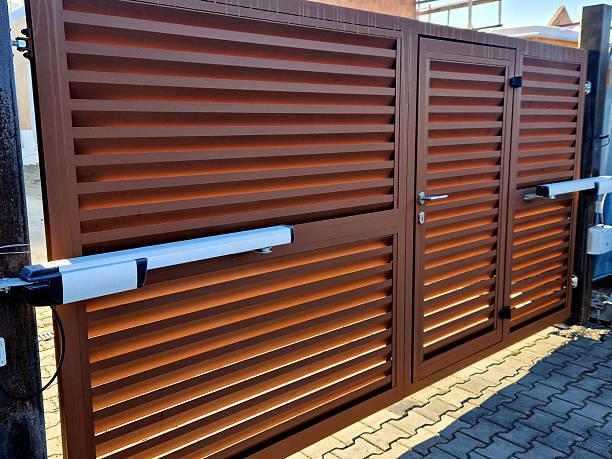
A manual gate should feel simple. It should swing or slide without a fight. It should close the same way every time. Yet, small changes can sneak in. At first, the gate feels “a little off.” Then, daily use turns into daily stress. That stress can affect safety, privacy, and even peace of mind.
Many property owners wait because the gate still “works.” However, a gate can fail fast after early warning signs. Also, a damaged gate can strain hinges, posts, and latches. So, a small issue can turn into a bigger one. If manual gate repair in Florence CO, is already on the mind, these signs explain why.
The Gate Starts Dragging Or Scraping Need Manual Gate Repair In Florence CO
A healthy gate should clear the ground with room to spare. However, dragging often means the gate has shifted. Sometimes the hinges loosen over time. Also, the gate frame can sag from repeated use. In other cases, soil movement can tilt the post.
Dragging matters because friction wears parts down fast. So, the bottom rail may rust sooner. Also, the gate can chip concrete or dig ruts in gravel. Over time, the latch can stop lining up.
Look for clues during normal use. For example, watch the gap under the gate. Then, notice if the drag changes after rain. That shift can point to ground settling. If scraping gets worse, act sooner rather than later.
Opening Feels Hard, Jerky, Or “Sticky”
A manual gate should move with steady pressure. If it takes a shove, something changed. Often, dirt builds up in the swing path. Also, rust can form at hinge pins. In sliding gates, debris can clog the track.
This sign can feel small at first. However, extra force strains hardware each time. So, the hinges may bend. Also, the latch may twist out of square. That can lead to sudden failure.
The Latch Doesn’t Line Up Like Before
A latch should click shut without lifting, pushing, or slamming. If the latch misses the catch, alignment is off. That misfit often comes from sagging hinges. Also, posts can lean from wind and soil shifts. Even small shifts matter because latches need tight alignment. When the latch fails, security drops. Also, pets and kids face more risk if the gate pops open. So, this sign deserves Florence CO manual gate repair services.
Here are common latch problems to notice:
-
The latch hits the catch and bounces back.
-
The latch only works when the gate is lifted.
If latch issues appear along with dragging, those signs often connect. So, fixing one area alone may not solve the whole issue.
Posts Lean Or Feel Soft At The Base
Gate posts act like the gate’s foundation. If a post leans, the whole gate geometry changes. Also, a leaning post can pull hinges out of line. So, even a strong gate frame may fail if the post shifts. First, step back and sight down the post. Then, check if the top leans toward the gate opening. Also, push lightly on the post. If it moves, the base may be loose.
Wood posts can rot near the ground line. Metal posts can rust below the surface. Concrete footings can crack. These issues often follow water, freeze-thaw cycles, or poor drainage. If the post seems weak, treat it as urgent. A failed post can drop a gate without warning.
The Gate Sags And The Frame Looks “Out Of Square”
A square frame should have even gaps and straight lines. When a gate sags, one corner often dips. Also, diagonal bracing may loosen or fail. In wooden gates, fasteners can pull out as boards swell and shrink.
This sign shows up in simple ways. For example, the top gap gets wider on one side. Then, the bottom gap shrinks. Also, the gate may rub the latch post.
Check the corners: Look for one corner sitting lower.
Check the diagonals: Measure corner-to-corner if possible.
Check the brace: See if the brace feels loose or cracked.
Because sag changes alignment, other parts suffer too. So, a sagging gate often leads to latch trouble and hinge stress at the same time.
Rust, Rot, Or Splits Start Showing Up
Surface damage can turn into structural damage. Rust can eat through metal over time. Also, rot can weaken wood from the inside. Splits can spread with each open and close cycle. So, small spots deserve attention.
Look for these early warning signs:
-
Rust bubbles under paint
-
Flaking metal near welds
-
Soft wood near the bottom rail
-
Deep cracks near hinge screws
-
Warped boards that no longer sit flat
Weather speeds damage. Sun dries wood and causes cracking. Rain adds moisture and rot risk. Also, winter cycles can widen splits. If manual gate repair in Florence CO, comes up after a harsh season, damage from weather may be the reason.
The Gate Makes New Noises Or Moves In Wind
A gate often “talks” before it fails. Squeaks, pops, and clanks usually mean parts are shifting. Also, a gate that swings in the wind may have loose latches or worn hinges. That movement can lead to sudden misalignment.
In many cases, the same noise repeats each day. So, it becomes easy to ignore. However, noise often signals metal-on-metal wear. That wear can speed up fast. If the gate shakes during gusts, choose manual gate repair Florence CO. In areas like Florence, strong winds can add stress.
A Manual Gate Rarely Fails Without Warning
A manual gate protects space, time, and peace of mind. So, early warning signs matter. Dragging, sticking, and latch trouble can hint at alignment issues. Loose hinges and leaning posts can point to bigger risks. Also, rust and rot can weaken the gate silently.
When these signs show up, a clear next step is simple. First, inspect the gate in daylight. Then, note what changed and when it started. After that, decide what repairs reduce risk fastest. A safer, smoother gate supports daily life in quiet ways. If local guidance is needed, choose Diamondback Fence Company.

 English
 Arabic
 French
 Portuguese
 Deutsch
 Turkish
 Dutch
 Italiano
 Russian
 Romaian
 Portuguese (Brazil)
 Greek