


Understanding DVR Systems in Security Camera Sales
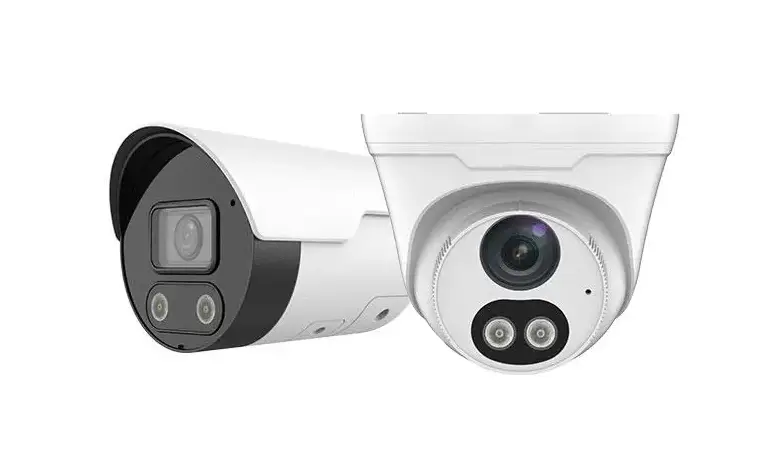
Digital Video Recorders remain a central component of many security camera installations, particularly in the existing coaxial camera market. For professionals in security camera sales, understanding DVR systems thoroughly allows for confident specification and client guidance. Worldstar Security Cameras supplies DVR systems alongside their coaxial camera lineup.
What Is a DVR in a Security Camera Context
A DVR, or Digital Video Recorder, is the recording hub of a coaxial camera system. It receives analog video signals from coaxial cameras, digitizes and compresses those signals, and stores them on internal hard drives. DVRs also provide live viewing interfaces on connected monitors, remote viewing via mobile applications, and event-triggered recording based on motion detection or alarm inputs.
DVR Channel Configurations
DVR systems are available in 4, 8, 16, and 32-channel configurations. Matching the DVR channel count to the number of cameras in a project is essential. It is generally advisable to specify a DVR with a slightly higher channel count than currently required to accommodate future camera additions without needing to replace the recorder.
HD Coax Compatibility
Modern DVRs from Worldstar support high-definition coaxial formats including HDCVI, HDTVI, and AHD, as well as legacy standard definition formats. This broad compatibility enables use with both new HD cameras and older standard definition cameras that may already be installed at a client's property.
Remote Viewing via SmartPSS
Worldstar's DVR systems are compatible with the SmartPSS software platform, available for both Windows and Mac computers. SmartPSS provides a centralized desktop interface for managing multiple DVR systems simultaneously, accessing live feeds, and reviewing recorded footage. The DMSS mobile application enables remote access from smartphones, with push notification support for motion and alarm events.
Storage Capacity Planning
A critical part of specifying a DVR system is calculating the required hard drive capacity. Factors influencing storage needs include the number of cameras, recording resolution, frame rate, whether recording is continuous or motion-triggered, and the desired footage retention period. For commercial applications, 30 days of continuous recording is a common requirement, while residential systems often use 7 to 14 days.
DVR vs NVR: Helping Clients Choose
A common question in security camera sales is when to recommend a DVR versus an NVR. DVRs are appropriate when existing coaxial cabling is in place, when the budget does not support full IP camera infrastructure, or when simple reliable recording is the primary requirement. NVRs are preferred for new installations, higher resolution requirements, advanced AI analytics, and network-integrated management. In some cases, a hybrid approach using a DVR compatible with both coaxial and IP cameras provides a flexible transition path.
Conclusion
DVR systems continue to serve a vital role in the security camera sales ecosystem. By sourcing DVRs from Worldstar's comprehensive product lineup, sales professionals can confidently specify reliable, feature-rich recording solutions for projects using existing coaxial infrastructure. Combining a quality DVR with the right camera selection and appropriate hard drive capacity delivers a complete, professional system that meets client expectations and stands up well over time.

 English
 Arabic
 Spanish
 Portuguese
 Deutsch
 Turkish
 Dutch
 Italiano
 Russian
 Romaian
 Portuguese (Brazil)
 Greek