


BMW Engine Rebuild A Complete Guide to the Restoration Journey
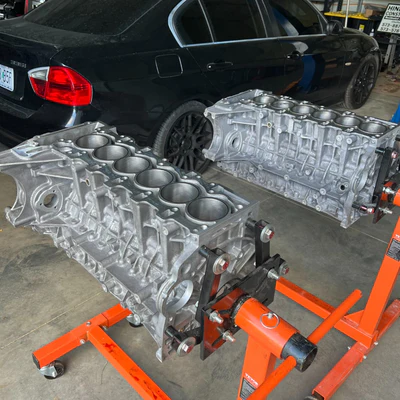
A BMW engine is made up of thousands of precisely engineered components working together to deliver power, efficiency, and a smooth driving experience. When one or more of these components begin to fail, the effects can quickly become noticeable through poor performance, unusual sounds, or reduced reliability.
For many owners, a BMW engine rebuild becomes the turning point between continued vehicle ownership and searching for another car. Instead of replacing the entire vehicle, rebuilding can restore the engine by addressing the internal problems that caused the failure.
Understanding the complete restoration journey helps BMW owners know what happens, why each step matters, and how the process brings an engine back to dependable condition.
Starting With a Proper Diagnosis
Every successful rebuild begins with identifying the actual cause of the problem.
Engine symptoms alone do not always reveal the full story. A loss of power, unusual noise, or increased oil consumption can come from different internal issues.
A professional evaluation may include:
- Diagnostic scanning
- Compression testing
- Leak-down testing
- Oil inspection
- Cooling system checks
- Performance evaluation
This stage helps determine whether the engine can be restored and what components require attention.
Removing and Inspecting the Engine
Once rebuilding is considered necessary, the engine must be carefully removed and inspected.
The engine is separated into individual components so each part can be examined.
Technicians look for:
- Excessive wear
- Cracks
- Damage from overheating
- Corrosion
- Improper clearances
- Signs of poor lubrication
This detailed inspection reveals problems that may not be visible while the engine is still assembled.
Cleaning and Preparing Components
Before rebuilding begins, engine parts are cleaned to remove oil deposits, dirt, and contaminants.
Cleaning allows technicians to properly inspect each component and determine whether it can be reused or needs replacement.
This step is important because even small contaminants can affect how precisely engine parts operate together.
Replacing Worn Internal Parts
Not every engine component has the same level of wear.
During a rebuild, parts that no longer meet specifications are replaced.
Commonly inspected components include:
- Pistons
- Rings
- Bearings
- Seals
- Gaskets
- Timing components
- Oil system components
The goal is to restore proper function throughout the engine rather than only fixing one damaged area.
Restoring Proper Engine Operation
A rebuilt engine must work as a complete system.
Every component affects another, which means correct assembly is essential.
Proper rebuilding focuses on restoring:
- Compression
- Lubrication
- Cooling efficiency
- Mechanical balance
- Internal pressure
When these systems work correctly together, the engine can return to smoother and more consistent performance.
Testing Before Returning to the Road
A rebuild is not complete when the engine is assembled.
Before the vehicle returns to normal driving, testing helps confirm that the restoration was successful.
Checks may include:
- Oil pressure testing
- Leak inspections
- Temperature monitoring
- Engine performance checks
- Diagnostic reviews
Testing provides confidence that the engine is operating correctly.
How Rebuilding Differs From Replacing the Engine
Some owners consider a BMW engine replacement when facing serious engine damage.
Replacement can be a practical option depending on the condition of the original engine. However, rebuilding offers the advantage of restoring the existing engine after every major component has been inspected.
The better choice depends on:
- Extent of damage
- Vehicle condition
- Budget considerations
- Future ownership plans
A detailed inspection helps determine which solution makes the most sense.
The Importance of the First Few Miles
After rebuilding, the engine requires proper care during the initial driving period.
The early stage allows internal components to adjust and operate together correctly.
Owners should:
- Avoid unnecessary stress on the engine
- Monitor fluid levels
- Pay attention to unusual sounds
- Follow maintenance recommendations
Proper care during this stage supports long-term reliability.
Keeping the Engine Reliable Long-Term
A rebuilt engine can provide many years of service when maintained correctly.
Important habits include:
- Regular oil changes
- Cooling system inspections
- Timely repairs
- Monitoring warning signs
- Following recommended service intervals
The quality of the rebuild and the owner's maintenance routine both contribute to engine lifespan.
Frequently Asked Questions
Does rebuilding restore original engine performance?
A properly completed rebuild can restore many of the engine characteristics that were reduced by wear and internal damage.
Can every BMW engine be rebuilt?
Not every engine is suitable for rebuilding. Severe structural damage may require another solution after inspection.
How long does a rebuilt engine last?
The lifespan depends on rebuild quality, replacement components, driving conditions, and maintenance habits.
Conclusion
A BMW engine rebuild is a detailed restoration process designed to bring a damaged engine back to reliable operation. From diagnosis and inspection to component replacement and final testing, every step plays an important role in the engine's future performance. By understanding the rebuilding journey and comparing options like a BMW engine replacement, owners can make informed choices that protect their vehicle and extend its life.

 Arabic
 French
 Spanish
 Portuguese
 Deutsch
 Turkish
 Dutch
Dutch
 Italiano
 Russian
 Romaian
 Portuguese (Brazil)
 Greek
Greek