


What Happens to Old and Damaged Vehicles After Collection?
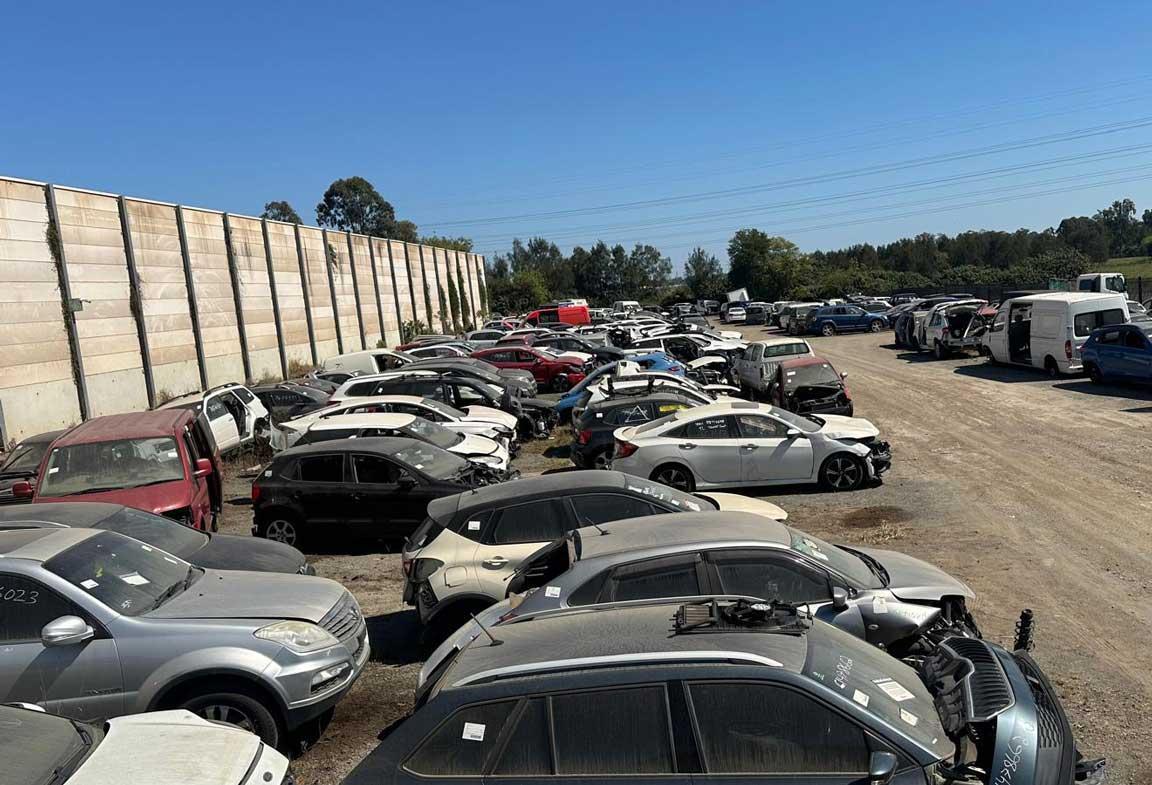
Many vehicles reach a point where repairs no longer make sense. Some are damaged in accidents, while others become too old, worn out, or costly to maintain. When this happens, owners often look for practical ways to remove these vehicles from their property while ensuring that usable parts and materials do not go to waste.
If you have an unwanted vehicle sitting in your driveway or garage, it may be worth learning how the process works and what options are available. For information about vehicle removal and recycling services, visit https://northbrisbanewreckers.com.au/
Across Queensland, car wreckers Brisbane services play an important role in handling old, damaged, and unwanted vehicles. These businesses collect vehicles, remove usable parts, recycle materials, and help reduce the number of abandoned cars in the community.
Another commonly searched term is vehicle wrecking Brisbane, which refers to the process of dismantling vehicles and recovering parts and materials that can still be used. Understanding this process can help vehicle owners make informed decisions when it is time to dispose of an old car.
Understanding Vehicle Wrecking
Vehicle wrecking involves dismantling cars, utes, vans, SUVs, and other vehicles that are no longer suitable for regular road use.
The process begins when a vehicle owner decides to sell or dispose of a car that may be:
- Old
- Accident damaged
- Flood affected
- Fire damaged
- Mechanically faulty
- Unregistered
- No longer running
Instead of allowing the vehicle to sit unused, it can be collected and taken to a wrecking yard where it is carefully assessed.
Why Vehicle Wrecking Matters
Many people assume that an old vehicle has little purpose once it stops running. In reality, many components can still be reused or recycled.
Vehicle wrecking helps:
- Recover usable parts
- Reduce landfill waste
- Recycle metals
- Remove abandoned vehicles
- Support the used parts market
- Lower demand for newly manufactured components
This process contributes to a more sustainable approach to vehicle disposal.
How Car Wreckers Brisbane Services Operate
Vehicle Assessment
The first step involves assessing the vehicle.
Several factors are considered, including:
- Make
- Model
- Age
- Condition
- Damage level
- Demand for parts
Even vehicles that no longer start may still contain valuable components.
Vehicle Collection
Once arrangements are made, the vehicle is collected and transported to a wrecking facility.
Collection vehicles are equipped to handle:
- Damaged cars
- Non-running vehicles
- Accident wrecks
- Scrap vehicles
This stage ensures the vehicle can be safely moved without causing additional environmental concerns.
Dismantling Process
After arriving at the facility, the vehicle undergoes dismantling.
Workers remove components that may still have practical use, such as:
- Engines
- Gearboxes
- Alternators
- Starter motors
- Doors
- Mirrors
- Wheels
- Seats
- Electrical components
These parts are inspected before being prepared for resale or reuse.
The Role of Vehicle Recycling
Metal Recovery
A large percentage of every vehicle consists of recyclable metal.
Common materials include:
- Steel
- Aluminium
- Copper
Once reusable parts have been removed, the remaining shell is processed for metal recovery.
The recovered metal can then be used in future manufacturing processes.
Fluid Removal
Vehicles contain several fluids that must be handled correctly.
These include:
- Engine oil
- Coolant
- Brake fluid
- Transmission fluid
- Fuel
Removing and processing these materials correctly helps prevent environmental contamination.
Battery Processing
Vehicle batteries contain materials that should not be discarded with general waste.
Recycling facilities can recover materials from batteries and prepare them for future use.
Common Vehicles Accepted by Wreckers
Most wrecking yards accept a wide range of vehicles.
Examples include:
Cars
Passenger vehicles of all makes and models are commonly accepted.
Utes
Work vehicles often remain useful for parts recovery even after years of service.
SUVs
Many SUV components remain in demand due to their popularity across Australia.
Vans
Commercial vans frequently contain reusable parts and recyclable materials.
4WD Vehicles
Four-wheel-drive vehicles often provide valuable mechanical and body components.
What Happens to Reusable Parts?
One important aspect of vehicle wrecking Brisbane is the recovery of working components.
Many parts remain functional despite the vehicle being unsuitable for road use.
These parts are:
- Cleaned
- Inspected
- Catalogued
- Stored for future use
This helps extend the lifespan of vehicle components while reducing waste.
Environmental Impact of Vehicle Wrecking
Environmental concerns continue to influence how vehicles are managed after disposal.
Proper wrecking and recycling practices help reduce:
- Landfill waste
- Resource consumption
- Unnecessary manufacturing demand
- Environmental pollution
When vehicles are dismantled and recycled correctly, a significant portion of their materials can remain in circulation rather than becoming waste.
Choosing a Vehicle Removal and Wrecking Service
Vehicle owners often consider several factors when selecting a company.
These may include:
Service Area
A company should be able to collect vehicles from the required location.
Vehicle Types Accepted
Different operators may specialise in different vehicle categories.
Recycling Practices
Responsible handling of fluids, batteries, and recyclable materials is important.
Industry Experience
Experience often contributes to smoother vehicle assessment and processing procedures.
In Brisbane, North Brisbane Wreckers is one example of a company involved in vehicle removal, dismantling, parts recovery, and recycling services for unwanted and damaged vehicles.
Signs It May Be Time to Wreck a Vehicle
Some vehicles eventually become impractical to keep.
Common signs include:
- Frequent breakdowns
- Major accident damage
- High repair costs
- Long-term storage
- Structural corrosion
- Engine failure
- Transmission failure
When repair costs continue to rise, many owners begin exploring wrecking and recycling options.
Myths About Car Wrecking
Myth 1: Only Completely Damaged Cars Are Wrecked
Many vehicles are dismantled even though some parts remain in good condition.
Myth 2: Old Cars Have No Useful Parts
Older vehicles often contain components that remain useful to other vehicle owners.
Myth 3: Vehicle Recycling Has Little Impact
Recycling helps recover large amounts of metal and other materials that would otherwise become waste.
The Future of Vehicle Recycling in Brisbane
Vehicle recycling continues to evolve as environmental awareness grows.
New technologies and improved recycling methods are helping facilities recover more materials than ever before.
As more vehicles reach the end of their lifespan, the role of car wreckers Brisbane services is expected to remain important in supporting responsible vehicle disposal and material recovery.
Conclusion
Old, damaged, and unwanted vehicles still have a role to play after they leave the road. Through dismantling, parts recovery, metal recycling, and responsible disposal practices, vehicle wrecking helps reduce waste and recover valuable resources.
Whether a vehicle has been damaged in an accident, suffered mechanical failure, or simply reached the end of its useful life, understanding how the process works can help owners make informed decisions. The continued growth of vehicle recycling highlights the importance of responsible disposal practices throughout Brisbane and surrounding areas.

 English
 Arabic
 French
 Spanish
 Portuguese
 Deutsch
 Dutch
 Italiano
 Russian
 Romaian
 Portuguese (Brazil)
 Greek