


Thermal vs. Night Vision: Optimizing Your Field Optics for 2026
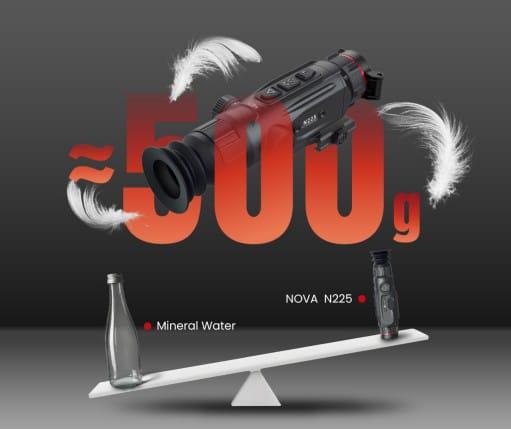
The decision to equip yourself with advanced optics for nocturnal operations is a pivotal moment for any serious hunter, researcher, or security professional. While both thermal and night vision technologies provide enhanced low-light performance, they function on entirely different scientific principles. When evaluating why choose thermal scopes over night vision, the primary benefit lies in the ability to detect heat signatures regardless of ambient lighting conditions. Thermal optics sense the infrared radiation emitted by living organisms and machinery, creating a high-contrast image that does not rely on reflected light, making them exceptionally powerful for locating subjects in environments ranging from open fields to dense, shadowed brush.
The Operational Mechanics of Thermal Imaging
Thermal scopes work by detecting the infrared energy—or heat—that all objects emit. This energy is captured by an internal sensor, processed by high-speed software, and displayed as a digital image. Because this technology is entirely emission-based, it is completely unaffected by total darkness, bright glares, or even light-blocking camouflage. This allows operators to maintain clear situational awareness in environments that would render standard optical systems ineffective, providing a consistent, detailed view that remains stable throughout the entire duration of the night.
Comparing Advanced Technologies for Outdoor Pursuit
When considering the debate regarding night vision vs thermal scope for hunting, many enthusiasts find that thermal technology offers a distinct advantage for rapid target acquisition. Because thermal sensors detect the unique heat signature of an animal, they make it significantly easier to distinguish a target from its surroundings, even when the animal is perfectly camouflaged. This is especially useful for hunters tracking elusive species or managing population density, as the thermal scope allows for immediate identification, saving time and increasing the efficiency of every excursion into the wilderness.
Spectral Sensitivity and Image Processing
To understand the core performance differences, one must look at how each system interprets the electromagnetic spectrum. Night vision technology works by gathering tiny amounts of existing visible and near-infrared light and magnifying it through an image intensifier tube. In contrast, thermal imaging focuses strictly on thermal energy. This fundamental technical gap leads to a significant difference between night vision and thermal scopes in how they process complex landscapes. Thermal systems are optimized for contrast and detection, while night vision systems are often prized for their ability to provide high-resolution, light-amplified imagery of the surrounding terrain.
Precision Engineering in Modern Optics
The engineering behind modern thermal optics has reached a stage of maturity that ensures high reliability in even the most austere conditions. These devices now feature sophisticated internal algorithms that automatically calibrate for ambient temperature shifts, ensuring the image remains crisp throughout a multi-hour mission. Furthermore, the integration of long-lasting, rechargeable battery systems and ruggedized, weather-sealed housings makes these tools ideal for professional field use. These advancements ensure that operators can focus on their objectives without worrying about the integrity of their gear, even when operating in remote locations far from support.
Advancing Field Efficiency
Efficiency in the field is largely determined by the speed at which an operator can identify a target and make an informed decision. Thermal optics contribute to this by providing a high-contrast image that is easy for the human eye to process quickly. This efficiency is amplified by modern features like picture-in-picture modes, built-in laser rangefinders, and seamless digital streaming, which allow a team to record their findings or coordinate movements in real-time. By leveraging these digital capabilities, professionals can transform their observational sessions into highly productive data-gathering operations.
The Role of Magnification and Field of View
Selecting the right balance between magnification and field of view is essential for successful night operations. A wider field of view is typically preferred for initial scanning, as it allows the operator to survey a large area of interest without needing to pan rapidly. As a potential target is identified, the operator can then utilize digital zoom to refine the view and confirm the identity of the subject. Modern thermal scopes are designed to facilitate this transition smoothly, providing a stable, high-resolution feed that maintains image clarity even as the magnification is increased for precise observation.
Maintenance and Long-Term Reliability
Maintaining the performance of thermal optics requires a disciplined approach to equipment care. Because the objective lens is typically made of specialized infrared-transparent materials like germanium, it is essential to follow a non-contact cleaning routine. Using air blowers to remove grit before any physical contact is the best practice to prevent permanent scratches to the delicate anti-reflective coatings. Additionally, storing your optic in a cool, dry place with desiccants will prevent internal moisture buildup, ensuring the sensitive electronic components and sensors remain in optimal condition for years of continuous use.
Integration with Modern Data Ecosystems
The future of nocturnal observation lies in the seamless integration of optical devices with broader digital data ecosystems. Many 2026-model thermal scopes now offer connectivity with tablets and smartphones, allowing teams to share a live feed to a central command post or save mission data for detailed post-field analysis. This capability elevates the thermal scope from a simple observation tool to a vital part of an interconnected intelligence network. Whether for wildlife management, academic research, or security, the ability to store and review thermal data significantly improves the accuracy and safety of every operation.
Conclusion
The selection between different night-observation technologies is ultimately a choice of mission requirements and environmental conditions. Thermal scopes offer an unparalleled ability to detect heat, providing a robust solution for environments where light levels are unpredictable or extremely low. By focusing on sensor sensitivity, proper maintenance, and modern digital integration, operators can ensure that their equipment provides consistent, reliable performance. As infrared technology continues to advance, it remains a primary force multiplier for anyone who requires visibility and clarity in the darkest corners of the world.
Frequently Asked Questions
1. Why is a low NETD rating important for a thermal scope? A low NETD rating indicates higher sensitivity. It allows the sensor to distinguish between extremely small temperature differences, which is essential for capturing a crisp, high-contrast image in cold or damp conditions where heat signatures might be faint.
2. What is the primary benefit of thermal over traditional night vision? Thermal does not require any ambient light. While traditional night vision requires at least a small amount of starlight or moonlight, thermal scopes are effective in total darkness, making them more versatile for varied nocturnal environments.
3. How does magnification impact the usability of a thermal scope? It allows for better target identification. While lower magnification is best for scanning large areas, higher magnification (and digital zoom) is crucial for identifying specific targets at a distance to ensure accurate decision-making.
4. What is the purpose of NUC (Non-Uniformity Correction)? It recalibrates the sensor to the environment. This process ensures that the image remains consistent and free of "streaks" or "ghosting" by resetting the sensor's baseline to the current ambient temperature.
5. How should I store my thermal scope during long periods of inactivity? Store it in a dry, cool environment. Using silica gel packs in your storage case helps prevent moisture from accumulating inside the device, which protects the sensor and internal electronics from corrosion.
6. Is it better to use a high refresh rate? Yes, a high refresh rate provides a fluid image. A rate of 50Hz or higher ensures that you do not see motion blur when tracking moving targets, which is vital for keeping your eyes comfortable and your target acquisition fast.
7. How does weather impact thermal scope performance? High humidity and fog can reduce contrast. Because water vapor absorbs infrared energy, these conditions make it harder for the sensor to resolve heat signatures, though thermal scopes generally still perform better than light-amplification systems in such weather.
What is the most significant challenge you encounter when attempting to maintain high image clarity during your field operations?

 English
 Arabic
 Spanish
 Portuguese
 Deutsch
 Turkish
 Dutch
Dutch
 Italiano
 Russian
 Romaian
 Portuguese (Brazil)
 Greek
Greek