


Cortisol Blood Test: Everything About Cortisol Level Monitoring
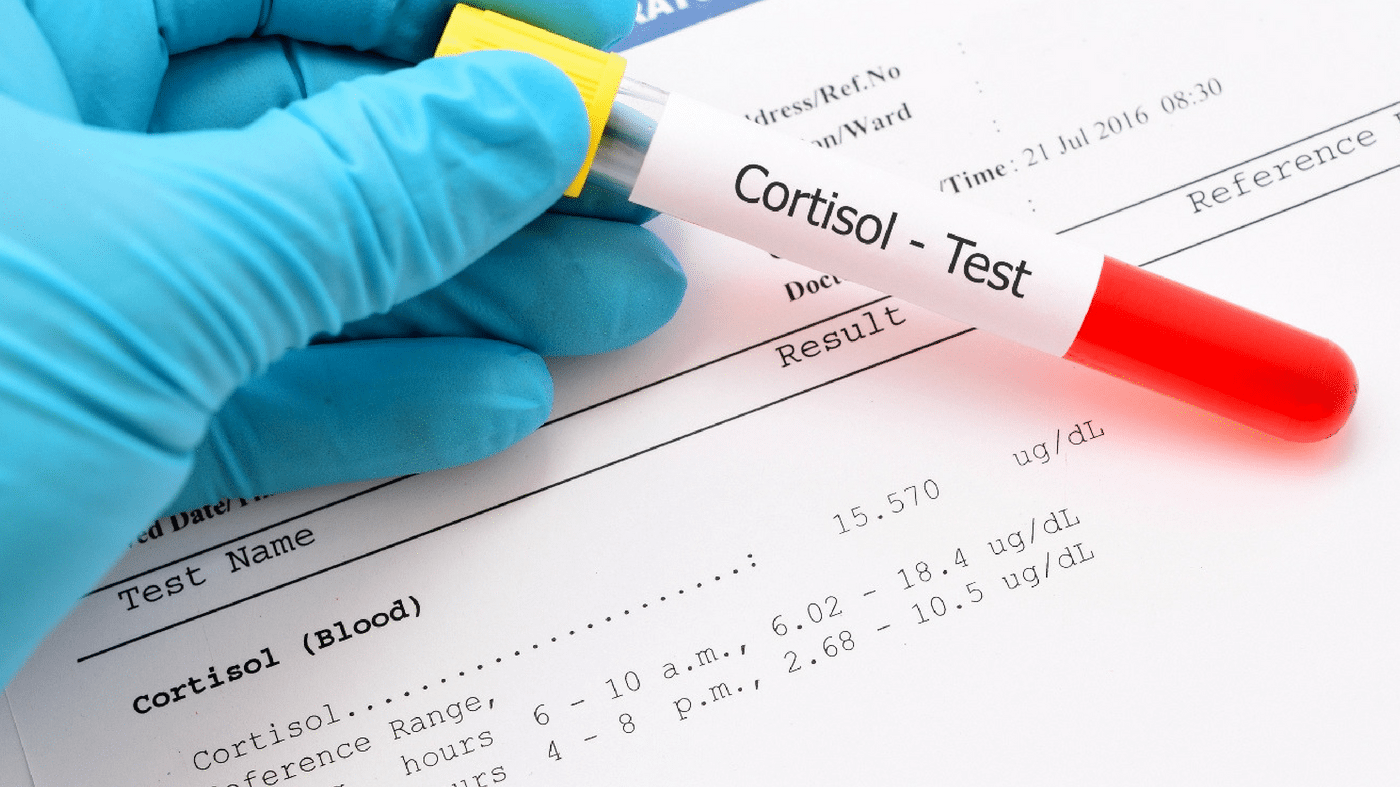
Hormones quietly regulate nearly every important process in the human body, and cortisol is among the most essential. Often referred to as the body's primary stress hormone, cortisol influences metabolism, blood pressure, immune function, sleep cycles, and energy production. When cortisol levels become too high or too low, they can contribute to a wide range of health problems.
A Cortisol Blood Test Dubai is one of the most reliable laboratory tests used to evaluate adrenal gland function and diagnose hormone-related disorders. Whether your healthcare provider suspects adrenal insufficiency, Cushing's syndrome, or another endocrine condition, monitoring cortisol levels provides valuable insights into your overall health.
This guide explains everything you need to know about cortisol level monitoring, including why the test is performed, what the results mean, factors that affect cortisol production, and when additional testing may be required.
Why Cortisol Is Essential for Your Body?
Cortisol is produced by the adrenal glands, located above each kidney. Its release is controlled by the hypothalamus and pituitary gland through the hypothalamic-pituitary-adrenal (HPA) axis.
This hormone supports numerous vital functions, including:
-
Regulating blood sugar levels
-
Maintaining healthy blood pressure
-
Supporting metabolism
-
Reducing inflammation
-
Helping the immune system respond appropriately
-
Managing the body's response to physical and emotional stress
-
Maintaining energy levels throughout the day
Because cortisol affects multiple body systems, even small hormonal imbalances can lead to noticeable symptoms.
What Is a Cortisol Blood Test?
A cortisol blood test measures the concentration of cortisol circulating in your bloodstream at a specific time. Since cortisol follows a natural daily rhythm, healthcare providers usually collect blood samples early in the morning when levels are highest. In some situations, an evening sample may also be requested to evaluate whether cortisol decreases normally throughout the day.
Monitoring cortisol levels helps healthcare providers determine whether the adrenal glands are functioning properly and whether additional endocrine testing is necessary.
Signs That May Indicate Cortisol Testing:
A healthcare provider may recommend cortisol level monitoring if you experience persistent symptoms that suggest an underlying hormonal imbalance.
Common symptoms include:
-
Chronic fatigue
-
Unexplained weight gain
-
Sudden weight loss
-
Muscle weakness
-
High blood pressure
-
Frequent headaches
-
Mood changes
-
Anxiety or depression
-
Difficulty sleeping
-
Low blood sugar episodes
-
Dizziness when standing
-
Irregular menstrual cycles
-
Excessive body hair growth
-
Easy bruising
-
Skin discoloration
These symptoms can result from several medical conditions, making laboratory testing an important step toward an accurate diagnosis.
Conditions Diagnosed Through Cortisol Monitoring
Cortisol testing plays an important role in diagnosing disorders that affect hormone production.
Cushing's Syndrome:
Cushing's syndrome occurs when the body produces excessive cortisol over a prolonged period. This may result from adrenal tumors, pituitary disorders, or long-term corticosteroid medication use.
Symptoms often include:
-
Rounded face
-
Fat accumulation around the abdomen
-
Purple stretch marks
-
Thin arms and legs
-
Muscle weakness
-
Elevated blood sugar
-
Osteoporosis
-
High blood pressure
Early diagnosis helps reduce the risk of long-term complications.
Addison's Disease:
Addison's disease develops when the adrenal glands fail to produce enough cortisol and, in many cases, insufficient aldosterone.
Common symptoms include:
-
Severe fatigue
-
Loss of appetite
-
Weight loss
-
Low blood pressure
-
Salt cravings
-
Darkening of the skin
-
Nausea
-
Vomiting
-
Chronic weakness
Prompt diagnosis and hormone replacement therapy are essential for managing this lifelong condition.
Secondary Adrenal Insufficiency:
Secondary adrenal insufficiency occurs when the pituitary gland does not release enough adrenocorticotropic hormone (ACTH), reducing cortisol production by otherwise healthy adrenal glands.
This condition may develop after prolonged steroid treatment or pituitary disorders.
Adrenal Tumors
Benign or malignant adrenal growths can alter cortisol production, resulting in either elevated or suppressed hormone levels. Imaging studies are often performed if abnormal blood test results suggest structural abnormalities.
Understanding the Cortisol Monitoring Process:
Cortisol testing is generally quick and minimally invasive.
A healthcare professional will:
-
Clean the skin over a vein
-
Insert a sterile needle
-
Collect a blood sample
-
Remove the needle
-
Apply gentle pressure and a bandage
The procedure usually takes less than five minutes.
Depending on your symptoms, your provider may also recommend saliva cortisol testing or a 24-hour urine cortisol test for additional evaluation.
Preparing Before Your Cortisol Blood Test:
Proper preparation improves the accuracy of your results.
Your healthcare provider may advise you to:
-
Schedule the test during the early morning hours
-
Avoid strenuous physical activity beforehand
-
Get adequate sleep the night before
-
Inform the laboratory about all medications
-
Follow fasting instructions if provided
-
Minimize emotional stress whenever possible
Certain medications, including corticosteroids, estrogen therapy, anticonvulsants, and oral contraceptives, may affect cortisol measurements.
What Your Cortisol Results Can Reveal?
The interpretation of cortisol levels depends on several factors rather than a single laboratory value.
Healthcare providers consider:
-
Time of sample collection
-
Medical history
-
Physical examination
-
Current symptoms
-
Laboratory reference ranges
-
Other hormone test results
Morning cortisol levels naturally differ from afternoon and evening values, making timing an important part of interpretation.
Causes of Elevated Cortisol Levels:
Higher-than-normal cortisol levels may result from temporary stress or an underlying medical disorder.
Possible causes include:
Chronic Stress:
Long-term psychological or physical stress stimulates continuous cortisol production, which may eventually affect sleep, immunity, metabolism, and cardiovascular health.
Pituitary Disorders:
Pituitary tumors producing excess ACTH can overstimulate the adrenal glands, leading to persistent cortisol elevation.
Adrenal Gland Disorders:
Adrenal adenomas or adrenal carcinomas may directly produce excessive cortisol independent of normal hormonal regulation.
Medication Use:
Prescription corticosteroids taken for asthma, autoimmune diseases, or inflammatory disorders may influence laboratory results.
Causes of Low Cortisol Levels:
Insufficient cortisol production can interfere with the body's ability to respond to illness and physical stress.
Common causes include:
-
Primary adrenal insufficiency
-
Pituitary dysfunction
-
Autoimmune adrenal disease
-
Genetic adrenal disorders
-
Sudden withdrawal from long-term corticosteroid therapy
Low cortisol requires careful evaluation because untreated adrenal insufficiency may become a medical emergency.
Additional Tests Often Performed Alongside Cortisol Monitoring:
Healthcare providers rarely rely on one blood test alone.
Additional diagnostic tests may include:
-
ACTH blood test
-
ACTH stimulation test
-
Dexamethasone suppression test
-
24-hour urinary free cortisol
-
Late-night salivary cortisol
-
Comprehensive metabolic panel
-
Electrolyte testing
-
CT scan of the adrenal glands
-
MRI of the pituitary gland
These tests help identify the exact source of hormonal imbalance.
Lifestyle Factors That Influence Cortisol Levels:
Everyday habits can temporarily affect cortisol production and should be considered when interpreting results.
Examples include:
-
Sleep deprivation
-
Shift work
-
Intense exercise
-
Pregnancy
-
Smoking
-
Alcohol consumption
-
Acute illness
-
Emotional stress
-
Caffeine intake
Because cortisol changes throughout the day, healthcare providers may repeat testing if results appear inconsistent with your symptoms.
Monitoring Cortisol Over Time:
For individuals diagnosed with adrenal disorders, regular cortisol monitoring helps healthcare providers evaluate treatment effectiveness.
Follow-up testing may be recommended to:
-
Adjust hormone replacement therapy
-
Monitor recovery after adrenal surgery
-
Evaluate medication response
-
Detect recurrence of hormone-producing tumors
-
Prevent complications from excessive or insufficient cortisol
Consistent monitoring helps maintain hormonal balance and improves long-term health outcomes.
Frequently Asked Questions:
Is a cortisol blood test painful?
Most people experience only mild discomfort similar to any routine blood draw. The procedure is brief and generally well tolerated.
Can stress affect cortisol test results?
Yes. Physical illness, emotional stress, and even lack of sleep may temporarily increase cortisol levels, which is why healthcare providers consider your overall clinical situation.
Are abnormal cortisol results enough to confirm a diagnosis?
No. Abnormal cortisol values usually require confirmation through additional hormone tests, imaging studies, and a complete medical evaluation.
How long does it take to receive results?
Most laboratories report cortisol blood test results within one to three business days, although turnaround times vary by healthcare facility.
Conclusion:
A cortisol blood Lab tests is a valuable diagnostic tool that helps healthcare providers assess adrenal gland function, evaluate hormone imbalances, and monitor endocrine disorders over time. Because cortisol influences metabolism, blood pressure, immune response, and the body's stress regulation, maintaining healthy hormone levels is essential for overall well-being.
Whether you're being evaluated for adrenal insufficiency, Cushing's syndrome, pituitary disorders, or unexplained symptoms, cortisol level monitoring provides important clinical information that supports accurate diagnosis and personalized treatment. Working closely with your healthcare provider ensures that test results are interpreted within the context of your medical history, symptoms, and additional laboratory findings, leading to more effective long-term care.

 English
 Arabic
 French
 Spanish
 Deutsch
 Turkish
 Dutch
 Italiano
 Russian
 Romaian
 Portuguese (Brazil)
 Greek