


Internal vs External Caulking: What to Seal First?
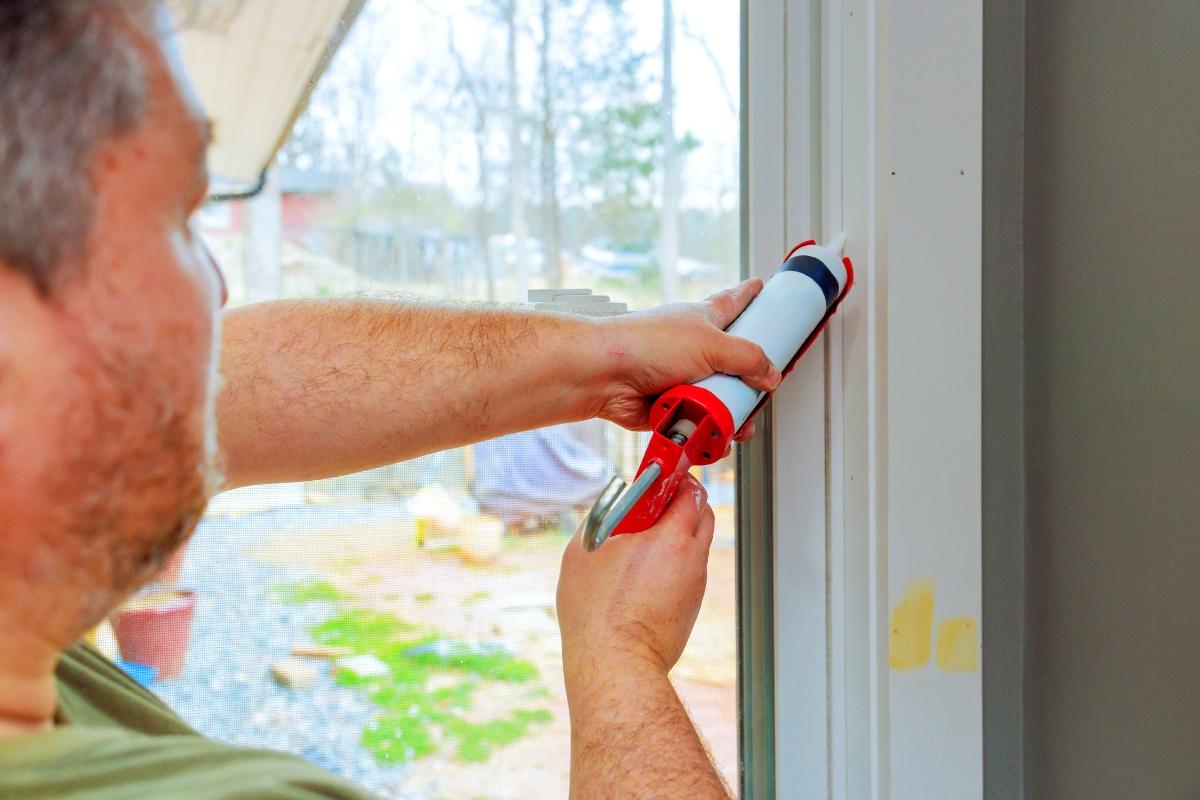
A well-maintained property is more than just attractive—it is also protected against moisture, air leaks, dust, pests, and unnecessary wear. One of the most overlooked yet essential maintenance tasks is caulking. Whether you own a new home, an older property, or a commercial building, sealing gaps and joints helps improve durability, comfort, and energy efficiency. While many property owners understand the importance of sealing visible cracks, they often struggle to decide whether internal or external areas should receive attention first.
The answer depends on the condition of your property, the severity of existing gaps, and the areas most exposed to weather or moisture. Both internal and external caulking play vital roles in preserving your property's value, but prioritising the right areas can prevent expensive repairs in the future. This guide explains the differences between internal and external caulking, identifies the most important areas to seal, and helps Australian property owners make informed decisions about protecting their investment.
Understanding Internal and External Caulking
Although both types of caulking involve sealing joints and gaps, they serve different purposes within a property.
Internal caulking focuses on areas inside the building where moisture, movement, and daily use can create small openings between surfaces. Bathrooms, kitchens, laundries, skirting boards, windows, and internal door frames commonly require sealing to maintain a neat appearance and prevent water penetration.
External caulking, on the other hand, protects the building envelope from Australia's changing weather conditions. It seals joints around windows, doors, cladding, brickwork, expansion joints, roofing components, and other exterior surfaces to prevent water ingress, drafts, and structural deterioration.
Both applications are equally important, but understanding which areas require immediate attention allows homeowners to prioritise maintenance effectively.
Why Proper Caulking Matters
Caulking provides much more than cosmetic improvement. High-quality sealing contributes to the overall performance of your property by:
-
Preventing water damage
-
Reducing air leaks
-
Improving energy efficiency
-
Preventing mould and mildew growth
-
Keeping insects and pests out
-
Reducing dust infiltration
-
Protecting structural materials
-
Creating cleaner and more professional finishes
Ignoring deteriorated or missing sealant can allow moisture to enter hidden areas, resulting in expensive repairs over time.
Should Internal or External Caulking Be Done First?
There is no universal answer because every property has different maintenance requirements. However, several factors help determine which areas deserve priority.
If your property has visible external gaps allowing rainwater inside, exterior sealing should generally come first. Water intrusion can damage insulation, framing, plasterboard, flooring, and internal finishes before visible signs appear.
If the external envelope remains in good condition but internal wet areas show cracked or mouldy sealant, internal caulking becomes the immediate priority to prevent moisture damage inside bathrooms, kitchens, and laundries.
For properties undergoing renovations, completing external sealing first often provides better protection before finishing internal work.
Areas That Should Be Prioritised for External Caulking
Australia experiences intense sunlight, heavy rainfall, coastal moisture, strong winds, and fluctuating temperatures. These environmental factors make external joints especially vulnerable.
Windows
Window frames experience constant expansion and contraction due to temperature changes. Small gaps around frames allow water penetration, drafts, insects, and dust into the home.
Sealing around windows helps improve thermal efficiency while protecting surrounding wall materials from moisture damage.
Many property owners seeking external caulking in Sydney services begin with windows because they are among the most exposed parts of the building.
Doors
Exterior doors require proper sealing around frames and thresholds.
Without effective caulking, gaps can allow the following:
-
Water penetration
-
Cold air during winter
-
Warm air during summer
-
Dust
-
Small insects
Proper sealing improves indoor comfort throughout the year.
Wall Joints
Expansion joints in exterior walls accommodate natural building movement.
Over time, sealants deteriorate due to UV exposure and weather, making these joints vulnerable to water entry.
Replacing ageing sealant before cracks become larger helps preserve structural integrity.
Brick and Masonry Gaps
Small gaps between bricks, render, or masonry surfaces can gradually widen over time.
Water entering these openings may lead to:
-
Damp walls
-
Internal staining
-
Efflorescence
-
Material deterioration
Professional inspection helps identify these vulnerable areas before significant damage develops.
Roof Flashings and Exterior Penetrations
Areas where pipes, vents, or fixtures pass through external surfaces require durable sealing.
These penetrations are common sources of leaks during heavy rainfall.
Maintaining these seals significantly reduces moisture-related issues.
Internal Areas That Should Never Be Ignored
While external protection prevents weather-related damage, internal caulking maintains hygiene, appearance, and moisture control.
Bathrooms
Bathrooms experience constant exposure to water.
The most important areas include:
-
Shower screens
-
Bathtubs
-
Vanities
-
Wall joints
-
Floor joints
-
Basin edges
Cracked sealant allows moisture to penetrate behind tiles where mould can develop unnoticed.
This is one of the most common reasons homeowners request internal caulking Sydney services.
Kitchens
Kitchen sinks, splashbacks, benchtops, and cabinetry joints require reliable sealing.
Water splashes around sinks can gradually seep beneath cabinetry if joints remain unsealed.
Proper caulking also creates a cleaner finish that is easier to maintain.
Laundries
Laundry rooms generate moisture from washing machines, tubs, and plumbing.
Sealing around fixtures helps reduce water damage while improving cleanliness.
Internal Windows
Internal window frames also benefit from caulking by reducing drafts and improving energy efficiency.
Proper sealing creates a cleaner appearance while helping regulate indoor temperatures.
Skirting Boards
Small gaps between skirting boards and walls may seem insignificant but often collect dust while affecting overall appearance.
Caulking these joints provides a smoother finish, particularly before painting.
Internal Door Frames
Movement over time can create visible gaps around door frames.
Sealing these joints improves aesthetics while reducing air movement between rooms.
Signs Your Property Needs Immediate Caulking
Knowing when sealant has reached the end of its lifespan helps prevent larger maintenance issues.
Common warning signs include:
-
Visible cracking
-
Shrinking sealant
-
Peeling edges
-
Water stains
-
Mould around joints
-
Drafts near windows
-
Increased dust indoors
-
Gaps around doors
-
Loose sealant
-
Discoloured joints
Addressing these issues early prevents more extensive repairs later.
Why External Caulking Often Takes Priority
Although both applications are important, many building professionals recommend addressing external gaps before internal ones when significant deterioration exists.
This approach helps stop moisture before it enters the building envelope.
External sealing protects the following:
-
Timber framing
-
Insulation
-
Internal plaster
-
Flooring
-
Paint finishes
-
Structural components
Once external moisture is controlled, internal sealing provides the finishing layer of protection.
When Internal Caulking Should Be the First Priority
Certain situations require immediate attention inside the property.
These include:
-
Leaking showers
-
Damaged bathroom sealant
-
Mould growth
-
Kitchen sink leaks
-
Laundry moisture problems
-
Internal renovation projects
Moisture trapped inside walls can spread quickly, making timely repairs essential.
How Australia's Climate Affects Caulking
Australia's climate presents unique challenges for building maintenance.
Different regions experience:
-
Strong UV exposure
-
Heavy seasonal rainfall
-
High humidity
-
Coastal salt exposure
-
Extreme temperature changes
These conditions gradually weaken sealants, making regular inspection an important part of property maintenance.
Flexible, weather-resistant products designed for Australian conditions provide longer-lasting performance.
Benefits of Professional Residential Caulking
While small sealing jobs may appear straightforward, achieving durable, clean, and long-lasting results requires proper preparation, suitable materials, and correct application techniques.
Professional residential caulking services help ensure:
-
Accurate gap assessment
-
Appropriate sealant selection
-
Smooth finishes
-
Long-lasting adhesion
-
Improved weather resistance
-
Reduced maintenance costs
-
Better property presentation
Professional application also helps minimise future repairs caused by failed sealant.
Maintaining Your Caulking
Even high-quality sealants require routine inspection.
Property owners should inspect joints at least once each year, paying particular attention after severe storms or extended periods of hot weather.
Maintenance tips include the following:
-
Clean sealed joints regularly.
-
Remove mould promptly.
-
Watch for cracking.
-
Repair damaged sections quickly.
-
Inspect wet areas frequently.
-
Check external joints after heavy rain.
Routine maintenance significantly extends the life of both internal and external sealant.
Choosing the Right Time for Caulking
The ideal time for sealing work is before minor gaps become major problems.
Many homeowners schedule inspections:
-
Before the rainy season
-
After completing renovations
-
Before repainting
-
Before selling a property
-
During annual maintenance checks
Early intervention prevents moisture intrusion and preserves building materials.
Internal and External Caulking Work Together
Rather than viewing internal and external caulking as separate maintenance tasks, it is better to see them as complementary systems.
External caulking forms the property's first line of defence against Australia's harsh weather conditions. Internal caulking protects wet areas, improves appearance, and enhances comfort inside the home.
Together, they contribute to:
-
Better moisture control
-
Increased energy efficiency
-
Improved indoor comfort
-
Reduced maintenance costs
-
Longer building lifespan
-
Enhanced property value
A complete maintenance strategy includes regular inspection of both interior and exterior joints.
Conclusion
Deciding whether to prioritise internal or external caulking depends on your property's current condition, but both play an essential role in protecting your investment. External sealing helps defend your home against rain, UV exposure, temperature changes, and environmental wear, while internal sealing prevents moisture damage, mould growth, and everyday deterioration in high-use areas. Whether you require internal caulking in Sydney, external caulking in Sydney, or comprehensive residential caulking services, timely maintenance can save significant repair costs and improve the longevity of your property. For expert information about professional caulking solutions across Australia, visit The Australian Caulking Company and explore how quality sealing can help protect your home or commercial property for years to come.

 English
 Arabic
 Spanish
 Portuguese
 Deutsch
 Turkish
 Dutch
 Italiano
 Russian
 Romaian
 Portuguese (Brazil)
 Greek