


How to Reduce Development Costs Without Compromising Security
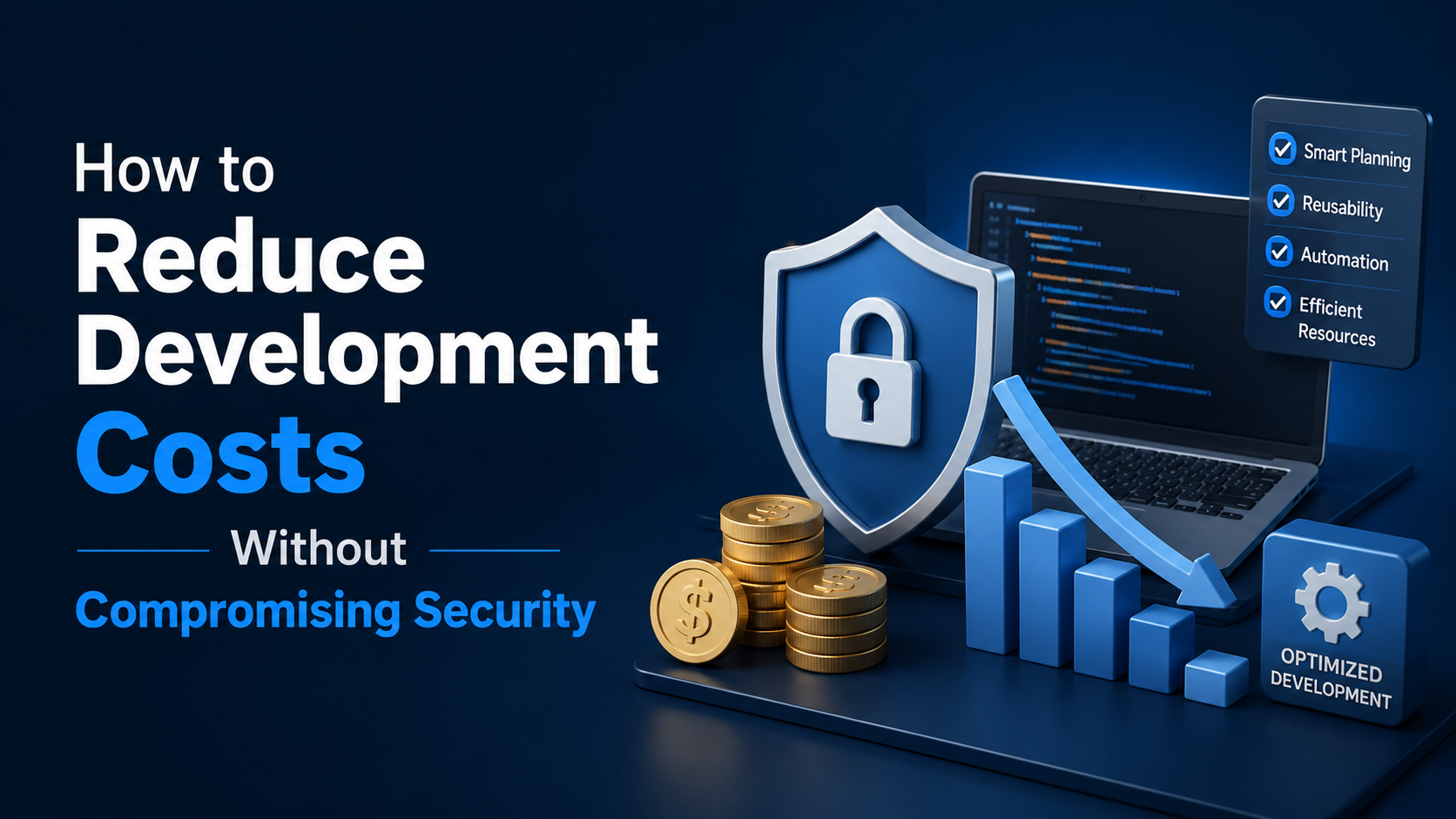
Real estate markets are changing as digital ownership models gain wider acceptance. Businesses are increasingly investing in Real Estate Tokenization to divide property ownership into digital tokens that can be traded, managed, and transferred more efficiently. While the opportunities are significant, many organizations hesitate because development expenses can quickly increase, especially when security and regulatory requirements are included.
Reducing project costs does not mean removing important security measures. Instead, it requires better planning, practical technology decisions, and careful resource allocation. Every stage of real estate tokenization development, from architecture planning to deployment and maintenance, presents opportunities to reduce unnecessary spending without exposing investors or assets to security risks.
Whether working with a startup or a large enterprise, companies can lower development expenses by selecting the right technologies, avoiding unnecessary features, and focusing on secure implementation from the beginning. This article explains practical methods to control development costs while maintaining the security standards expected in modern Real Estate Tokenization Platform Development.
Why Security Should Never Be Sacrificed
Security is the foundation of every blockchain-based property platform. A single vulnerability can result in financial loss, legal complications, and damage to business reputation.
Real estate transactions involve high-value assets, investor identities, legal documents, and financial records. Weak security practices may expose all these components to cyberattacks or unauthorized access.
Instead of viewing security as an expensive addition, organizations should consider it an investment that prevents much larger losses later.
Method 1: Define Project Scope Before Development Begins
Many development budgets increase because project requirements continue changing after development starts.
A detailed planning phase helps eliminate unnecessary features while identifying the functions that genuinely support business goals.
A project scope should define:
-
Investor onboarding
-
Property listing management
-
Token issuance
-
Wallet integration
-
Payment options
-
Compliance procedures
-
Administrative dashboard
-
Reporting modules
When the requirements remain stable, development teams spend less time rewriting code, resulting in lower project costs.
A reliable Real Estate Tokenization company usually begins with detailed requirement analysis before writing the first line of code.
Method 2: Choose Existing Blockchain Infrastructure
Developing an entirely new blockchain network requires considerable investment.
Instead of creating everything from scratch, organizations can use established blockchain ecosystems that already provide secure consensus mechanisms and active developer communities.
Examples include:
-
Ethereum
-
Polygon
-
Avalanche
-
Binance Smart Chain
-
Hedera
These networks have already undergone extensive testing and security reviews, reducing both development time and infrastructure costs.
Using mature blockchain platforms also allows development teams to focus more on business functionality instead of network engineering.
Method 3: Use Proven Smart Contract Standards
Smart contracts handle token issuance, ownership transfers, compliance rules, and investor rights.
Creating custom smart contract logic for every feature often increases development time and testing expenses.
Using standardized token protocols reduces complexity while maintaining compatibility with wallets and exchanges.
Examples include:
-
ERC-20
-
ERC-721
-
ERC-1155
-
ERC-3643 for regulated assets
Standardized contracts also benefit from extensive community testing, reducing security risks.
Many organizations offering Real Estate Tokenization Development Services rely on these standards to shorten project timelines.
Method 4: Adopt Modular Development
A modular architecture separates different platform functions into independent components.
Examples include:
-
Authentication
-
Wallet services
-
Property management
-
Compliance engine
-
Investor dashboard
-
Payment gateway
-
Reporting
Each module can be developed, tested, and upgraded independently.
This reduces redevelopment costs whenever business requirements change.
It also minimizes the chance of introducing security issues into unrelated sections of the application.
Method 5: Prioritize Features for the Initial Launch
Many companies attempt to launch every possible feature in the first release.
This usually results in:
-
Longer development cycles
-
Higher testing expenses
-
Increased maintenance
-
More security reviews
Instead, businesses should release only the most important functions.
Typical first-release features include:
-
User registration
-
Identity verification
-
Property listing
-
Token purchase
-
Portfolio dashboard
-
Basic reporting
Additional features such as secondary marketplaces, staking, lending, or governance can be introduced later.
This staged approach reduces both development and security costs.
Method 6: Integrate Existing Security Solutions
Developing proprietary security software often requires additional engineering resources.
Instead, businesses can integrate trusted third-party services for:
-
Multi-factor authentication
-
Identity verification
-
Wallet security
-
Transaction monitoring
-
API protection
Established security providers continuously update their products against new threats, reducing ongoing maintenance costs.
This approach is common among experienced Real Estate Tokenization Development company teams.
Method 7: Conduct Security Reviews Throughout Development
Some businesses delay security testing until the project is nearly complete.
This usually creates expensive rework because vulnerabilities become harder to fix after multiple modules are connected.
A better approach includes security reviews after each development milestone.
This includes:
-
Code review
-
Dependency review
-
Smart contract analysis
-
Authentication testing
-
API testing
-
Database validation
Finding issues early costs significantly less than repairing production systems.
Method 8: Use Open-Source Components Carefully
Open-source frameworks reduce software development expenses.
However, every library should be reviewed before adoption.
Development teams should verify:
-
Community activity
-
Security history
-
Update frequency
-
Documentation quality
-
License compatibility
Poorly maintained libraries can introduce vulnerabilities that later become expensive to fix.
Selecting trusted open-source components reduces costs without increasing security risks.
Method 9: Automate Testing
Manual testing consumes significant development resources.
Automation allows developers to repeatedly verify application behavior after every update.
Automated testing may include:
-
Unit testing
-
Integration testing
-
Smart contract testing
-
API testing
-
User interface testing
-
Performance testing
Frequent automated testing reduces unexpected production issues and lowers maintenance expenses.
It also improves development efficiency throughout the project lifecycle.
Method 10: Minimize Smart Contract Complexity
Smart contracts should remain as simple as possible.
Complex contract logic usually requires:
-
More coding
-
More testing
-
More auditing
-
Higher deployment costs
Business rules that do not require blockchain immutability can often remain within backend applications.
Only ownership records, token transfers, and important transaction events generally belong on-chain.
This balanced architecture helps reduce both gas costs and development expenses.
Method 11: Plan Regulatory Compliance Early
Compliance is often treated as a separate phase after software development.
This frequently results in expensive redesigns.
Compliance planning should begin alongside platform architecture.
Areas include:
-
KYC
-
AML
-
Investor verification
-
Jurisdiction restrictions
-
Tax reporting
-
Record retention
Including compliance during initial planning avoids later redevelopment.
Organizations investing in real estate asset tokenization often benefit from early legal consultation before development starts.
Method 12: Select Cloud Infrastructure Wisely
Cloud services provide flexibility, but unnecessary infrastructure increases monthly costs.
Development environments should match actual business requirements instead of purchasing oversized resources.
Good practices include:
-
Auto-scaling resources
-
Reserved instances
-
Storage optimization
-
Load balancing
-
Monitoring usage
Regular infrastructure reviews help eliminate unused services while maintaining application security.
Method 13: Protect APIs From the Beginning
Modern tokenization platforms rely heavily on APIs.
These APIs connect:
-
Wallets
-
Payment providers
-
Identity verification
-
Investor dashboards
-
Property databases
API vulnerabilities are among the most common attack vectors.
Security measures should include:
-
Authentication
-
Authorization
-
Rate limiting
-
Encryption
-
Input validation
-
Logging
Adding API security during development is significantly less expensive than repairing security incidents later.
Method 14: Schedule Independent Security Audits
Independent security audits may appear expensive initially, but they usually reduce long-term costs.
Professional auditors examine:
-
Smart contracts
-
Business logic
-
Infrastructure
-
Authentication
-
Network security
-
Access controls
Correcting issues before launch prevents financial losses, legal exposure, and emergency development work.
Many investors also view audited platforms as more reliable.
Method 15: Work With Experienced Development Teams
Choosing developers solely based on the lowest price often results in higher total project costs.
Experienced teams usually:
-
Write cleaner code
-
Follow security practices
-
Reduce project delays
-
Improve documentation
-
Identify risks earlier
Working with a knowledgeable Real Estate Tokenization Development company often reduces redevelopment costs over the project's lifetime.
Similarly, selecting an experienced provider offering Real Estate Tokenization Services helps businesses avoid common implementation mistakes while maintaining project quality.
Common Mistakes That Increase Development Costs
Several avoidable mistakes cause unnecessary expenses during Real Estate Tokenization Platform Development.
These include changing project requirements frequently, skipping documentation, delaying security reviews, selecting unfamiliar blockchain frameworks, ignoring compliance until deployment, writing overly complex smart contracts, and neglecting automated testing. Each of these decisions often leads to additional coding, repeated testing, longer timelines, and higher maintenance expenses. Careful planning and disciplined project management help reduce these avoidable costs.
Long-Term Cost Savings Come From Good Architecture
Reducing initial development costs should never create larger maintenance expenses later.
A well-planned platform usually delivers lower operational costs because it is easier to maintain, monitor, and upgrade.
Good architecture also supports:
-
Easier feature additions
-
Faster bug fixes
-
Better system monitoring
-
Lower infrastructure costs
-
Simpler compliance updates
-
Improved security maintenance
Organizations planning long-term investments benefit from making thoughtful architectural decisions during the earliest stages of real estate tokenization development.
Conclusion
Reducing development costs does not require sacrificing platform security. A practical development strategy combines careful planning, standardized blockchain technologies, modular architecture, automated testing, early compliance planning, regular security reviews, and experienced development teams. These methods reduce unnecessary spending while protecting digital assets, investor information, and business operations. Businesses entering the Real Estate Tokenization market should focus on long-term value rather than short-term savings that may introduce future risks. Blockchain App Factory provides Real Estate Tokenization Services, helping businesses plan, develop, and maintain secure real estate tokenization development solutions that balance project costs with dependable security and regulatory requirements.
FAQs
1. How can businesses reduce the cost of Real Estate Tokenization projects?
Businesses can reduce costs by defining project requirements early, using established blockchain networks, adopting standard smart contract protocols, automating testing, and implementing modular development practices instead of creating every component from scratch.
2. Why is security important in real estate tokenization development?
Security protects investor funds, digital assets, ownership records, smart contracts, and confidential business information. Weak security can result in financial losses, legal issues, and reputational damage.
3. Does using existing blockchain networks reduce development expenses?
Yes. Established blockchain platforms already provide tested infrastructure, developer support, and security features, allowing development teams to focus on application functionality rather than creating an entirely new blockchain.
4. What role does a Real Estate Tokenization company play in project success?
A Real Estate Tokenization company helps with project planning, blockchain selection, smart contract development, compliance integration, platform testing, deployment, and long-term maintenance while following industry practices.
5. Why are security audits worth the investment?
Security audits identify vulnerabilities before launch, reducing the likelihood of costly fixes, security breaches, and operational disruptions after the platform goes live.
6. What should businesses look for when choosing Real Estate Tokenization Development Services?
Businesses should evaluate industry experience, blockchain expertise, security practices, regulatory knowledge, smart contract development capabilities, maintenance support, and previous project experience before selecting a development partner.

 Arabic
 French
 Spanish
 Portuguese
 Deutsch
 Turkish
 Dutch
Dutch
 Italiano
 Russian
 Romaian
 Portuguese (Brazil)
 Greek
Greek