


How New Construction Inspections Help Buyers Catch Problems Early
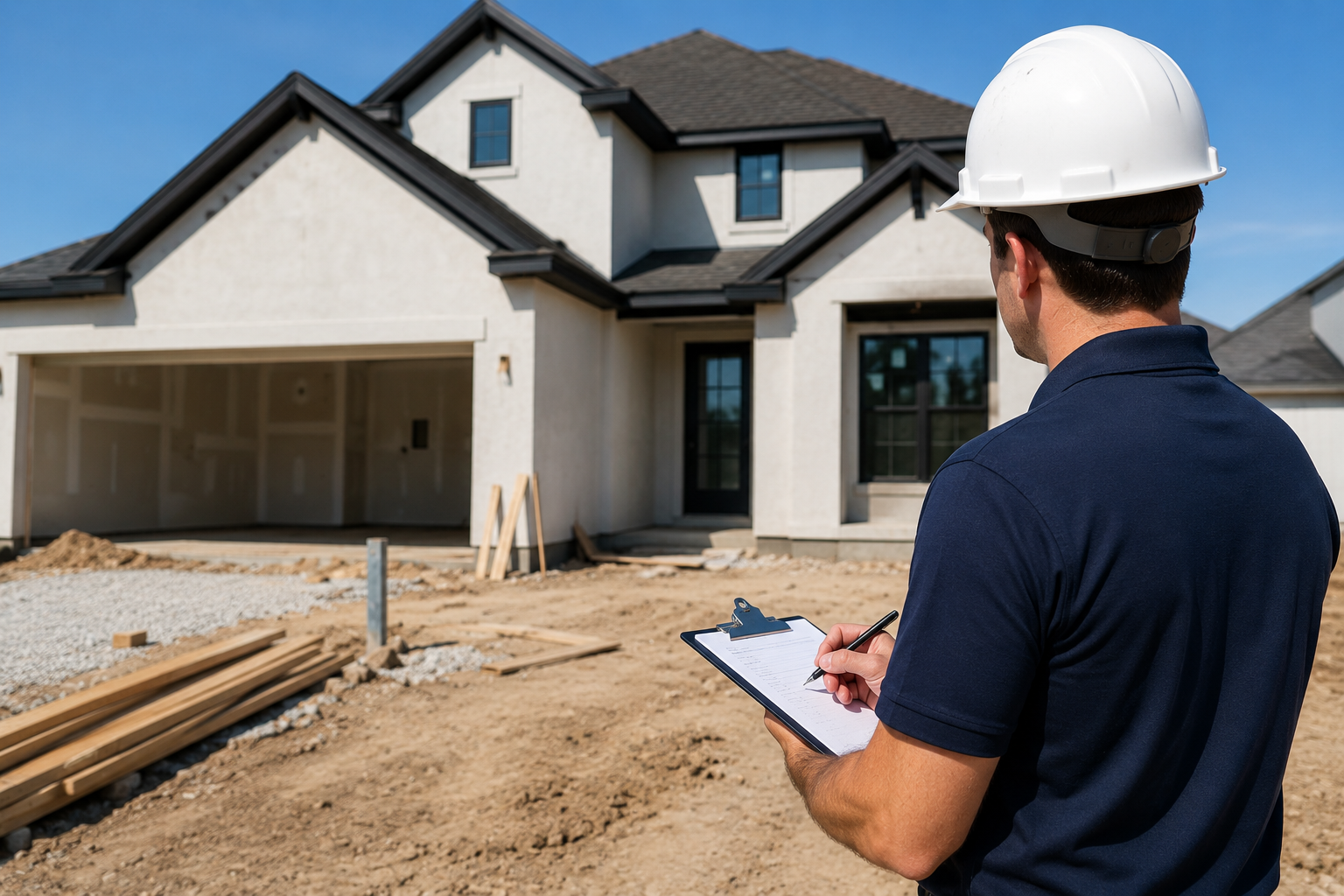
Buying a newly built home can feel like the safest option. Everything looks fresh, modern, and untouched. The paint is new, the appliances are clean, and the finishes often match current design trends. Because of this, many buyers assume that a new construction home will be free from defects. In reality, even brand-new homes can have issues that need attention before closing.
New construction involves multiple contractors, tight deadlines, material deliveries, inspections, and installation steps. Small mistakes can happen at any stage. A professional inspection helps buyers identify visible concerns early, before they become the buyer’s responsibility. For those comparing inspection options in the region, a reliable Home inspection houston can provide valuable insight into construction quality, safety concerns, and unfinished details.
A new construction inspection does not mean the builder did poor work. It simply gives buyers an independent review of the property before they finalize the purchase. This extra step can help protect their investment and give them more confidence before moving in.
Why New Homes Still Need Inspections
Many buyers believe a new home has already passed all required checks, so they do not need another inspection. While municipal or code inspections may happen during construction, they are not the same as a buyer-focused inspection. Code inspections often focus on minimum requirements, while a private inspection looks at visible conditions from the buyer’s perspective.
Builders manage many moving parts. Different crews may handle framing, roofing, electrical work, plumbing, HVAC, insulation, drywall, flooring, paint, and final finishes. When multiple trades work on the same property, communication gaps or rushed work can lead to missed details.
A new construction inspection helps buyers catch these issues early, while the builder may still be able to correct them before closing.
Common Issues Found in New Construction Homes
New does not always mean perfect. Some issues may be cosmetic, while others may affect performance, comfort, safety, or long-term maintenance.
Common findings in new construction inspections may include:
-
Roof installation concerns or damaged shingles
-
Poor grading or drainage near the foundation
-
Missing or uneven attic insulation
-
HVAC airflow or installation issues
-
Plumbing leaks or loose fixtures
-
Electrical outlet or GFCI problems
-
Doors or windows that do not close properly
-
Cracks in concrete, drywall, or exterior surfaces
-
Incomplete caulking or poor sealing
-
Damaged flooring, trim, cabinets, or finishes
These problems do not always mean the home is unsafe. However, buyers should know about them before they accept the property.
Roof and Exterior Concerns
The roof and exterior protect the home from rain, heat, wind, and moisture. Even on a new home, inspectors may find missing shingles, damaged flashing, loose materials, poor gutter installation, or gaps around exterior penetrations.
Exterior details also matter. Failed caulking, damaged siding, uneven paint coverage, gaps around windows, or poor drainage can allow moisture to enter the structure. These issues may seem small, but they can create bigger problems over time if left untreated.
In areas with heavy rain, heat, and humidity, exterior protection is especially important. Buyers should make sure the home is properly sealed and ready for local weather conditions.
Drainage and Foundation Issues
Drainage is one of the most important parts of a new construction property. Water should move away from the home, not toward the foundation. Poor grading, short downspouts, low areas in the yard, or soil sloping toward the house can create future problems.
Foundation movement may not appear immediately, but poor drainage can increase risk over time. Buyers should pay attention to water flow around the home, especially after rain. Standing water near the foundation, soil erosion, or poorly placed downspouts may need correction.
A new construction inspection can help identify visible drainage concerns before the buyer takes ownership.
Attic, Insulation, and Ventilation Problems
The attic often reveals important construction details. Inspectors may find missing insulation, uneven insulation depth, blocked vents, disconnected ducts, or bathroom fans venting into the attic instead of outside.
These issues can affect comfort, energy efficiency, roof life, and moisture control. Poor attic ventilation can trap heat and humidity, while insulation gaps may cause uneven indoor temperatures.
Buyers may not think to check the attic during a final walkthrough, but it can reveal hidden performance issues that should be corrected before move-in.
Plumbing, Electrical, and HVAC Details
Major systems should work properly from day one. However, new construction inspections sometimes reveal plumbing leaks, loose toilets, slow drains, incorrect fixture installation, or water heater concerns.
Electrical findings may include non-working outlets, missing covers, incorrect GFCI protection, mislabeled breakers, or incomplete fixture installation. HVAC concerns may include poor airflow, disconnected ducts, thermostat problems, or equipment that does not perform evenly across the home.
The table below shows how early inspection findings can help buyers avoid future frustration:
| New Construction Finding | Why It Matters |
|---|---|
| Poor drainage | May increase moisture and foundation risk |
| Missing attic insulation | Can affect comfort and energy efficiency |
| Plumbing leak | May damage cabinets, flooring, or drywall |
| HVAC airflow issue | Can cause uneven temperatures and comfort problems |
| Roof flashing concern | May lead to leaks during storms |
| Electrical defect | May create safety or performance concerns |
Finding these issues before closing gives buyers time to ask the builder for corrections.
The Inspection Helps Create a Stronger Punch List
A punch list is a list of items the builder needs to correct before the buyer accepts the home. Many buyers create punch lists during the final walkthrough, but they may only notice cosmetic issues such as paint touch-ups, scratched floors, or cabinet defects.
A professional inspection can make the punch list more complete. It can include functional and safety-related items that buyers may miss. This gives the buyer stronger documentation when asking the builder to complete repairs.
Photos, notes, and clear descriptions can make the process easier for everyone. The builder can see what needs attention, and the buyer can track whether the corrections were completed.
Why Timing Matters
The best time to schedule a new construction inspection is before closing, while the builder is still responsible for completing the home. If buyers wait until after move-in, they may have to rely on warranty claims, which can take time and may not cover every concern.
Some buyers also schedule phase inspections during construction, such as pre-drywall inspections. These can help identify issues before walls are closed. However, even if phase inspections were not completed, a final new construction inspection before closing can still provide important value.
Early inspection gives buyers leverage, time, and clarity.
Benefits for Buyers, Agents, and Investors
New construction inspections help buyers move forward with confidence. They also help real estate agents guide clients through the final stages of the transaction. A clear inspection report can reduce confusion, improve communication with the builder, and support a smoother closing process.
Investors buying new construction properties can also benefit. If the home will become a rental or resale asset, catching problems early can reduce future maintenance calls and protect long-term value.
A new home should be ready for use, but buyers should verify the condition before accepting it.
Final Thoughts
New construction homes can offer modern layouts, fresh materials, and strong appeal, but they can still have defects. Construction involves many steps, and small mistakes can happen even when the builder is reputable.
A new construction inspection helps buyers catch problems early, from roof and drainage issues to insulation gaps, plumbing leaks, electrical concerns, HVAC performance, and unfinished details. It gives buyers a clearer understanding of the home before closing and helps them create a stronger punch list for the builder.
Before finalizing a newly built home, buyers should look beyond the fresh finishes. A professional inspection can help ensure the property is not only new, but also complete, functional, and ready for long-term ownership.
Meta Tags
Meta Title: How New Construction Inspections Help Buyers Catch Problems Early
Meta Description: Learn how new construction inspections help buyers catch problems early, including roof defects, drainage issues, insulation gaps, plumbing leaks, HVAC concerns, and unfinished builder details.
Meta Keywords: new construction inspection, new home inspection, builder defects, final walkthrough, punch list, pre-closing inspection, property inspection, buyer inspection, construction defects

 English
 Arabic
 French
 Spanish
 Deutsch
 Turkish
 Dutch
Dutch
 Italiano
 Russian
 Romaian
 Portuguese (Brazil)
 Greek
Greek