


Why Mold Often Returns After DIY Cleaning
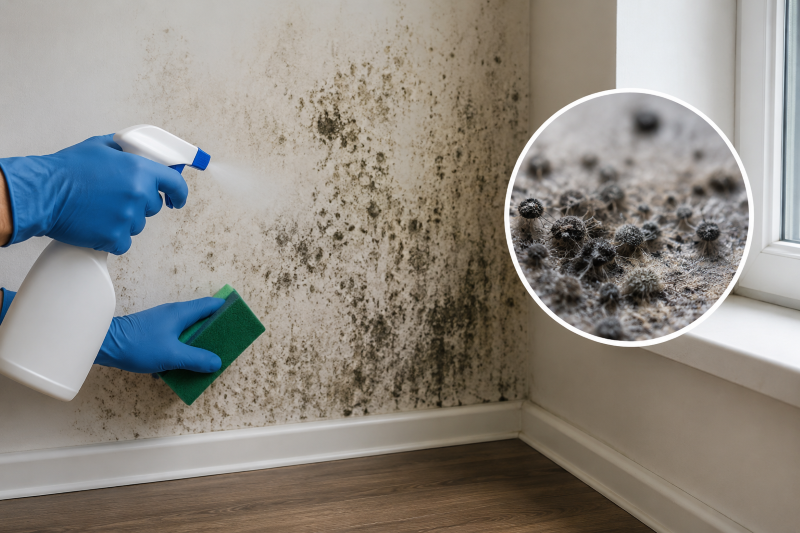
Mold is one of the most frustrating problems homeowners face, especially in humid tropical climates like Kauai. Many people notice dark spots on walls, ceilings, bathrooms, or under sinks and immediately reach for bleach or a household cleaner. At first glance, the mold appears to disappear, only to return days or weeks later.
This recurring cycle leaves many homeowners wondering why their cleaning efforts never seem to solve the problem. The answer is simple: visible mold is often only a small part of a much larger issue hidden beneath the surface.
Understanding why mold returns after DIY cleaning can help homeowners protect their property, improve indoor air quality, and avoid costly structural damage. If recurring mold becomes a concern, professional Mold Remediation in Kauai HI from Eco Kauai Services provides a more comprehensive solution that addresses both the mold and the conditions allowing it to grow.
Why Mold Thrives in Kauai Homes
Kauai's beautiful tropical environment also creates ideal conditions for mold growth. Warm temperatures combined with high humidity allow mold spores to multiply rapidly whenever moisture is present.
Common moisture sources include:
- Roof leaks
- Plumbing leaks
- Poor ventilation
- Flooding
- Condensation around windows
- Damp crawl spaces
- Air conditioning issues
- Water damage from storms
Because mold spores naturally exist in both indoor and outdoor air, they only need moisture and organic material to begin growing.
Materials that commonly support mold include:
- Drywall
- Wood framing
- Carpet
- Ceiling tiles
- Insulation
- Upholstered furniture
- Paper products
Cleaning only what can be seen rarely removes mold growing deeper inside these materials.
Why DIY Mold Cleaning Often Fails
Surface Cleaning Only Removes Visible Growth
Many household cleaners remove staining from the surface without eliminating mold embedded underneath.
Porous materials act like sponges. Mold roots, called hyphae, grow below the visible surface and remain alive after superficial cleaning.
Once moisture returns, the remaining mold simply grows back.
Examples include:
- Painted drywall
- Wood trim
- Grout
- Ceiling drywall
- Wood cabinets
The surface may appear clean while active mold continues spreading underneath.
Household Bleach Is Often Misunderstood
Bleach is one of the most common DIY mold treatments.
However, bleach has significant limitations.
While it can disinfect hard, non-porous surfaces, it does not penetrate porous building materials effectively.
On drywall or wood:
- Water from the bleach solution can soak into the material.
- Chlorine remains mostly on the surface.
- Moisture feeds mold deeper inside.
- Mold roots survive.
This explains why homeowners frequently notice mold returning shortly after bleaching.
Mold Spores Spread During Cleaning
Improper cleaning methods can actually spread mold throughout the home.
Scrubbing dry mold releases microscopic spores into the air.
Without proper containment:
- HVAC systems distribute spores.
- Air currents carry spores into new rooms.
- Furniture becomes contaminated.
- Hidden mold colonies begin forming elsewhere.
Professional remediation focuses on controlling spore movement before removal begins.
Hidden Mold Is Often the Bigger Problem
Visible mold frequently represents only a fraction of the contamination.
Mold Behind Walls
Water from leaking pipes or roof damage often saturates wall cavities.
The drywall may only show a small stain while extensive mold develops behind it.
Without opening affected areas, homeowners may never realize how widespread the damage has become.
Under Flooring
Water can seep beneath:
- Hardwood flooring
- Laminate
- Vinyl flooring
- Tile underlayment
The floor surface may look normal while mold grows underneath.
Inside HVAC Systems
Air conditioning systems produce condensation.
Dirty drain lines or excess moisture inside ducts can create ideal mold conditions.
Once spores enter the HVAC system, they may circulate throughout the house.
Moisture Is the Real Problem
Removing mold without eliminating moisture almost guarantees its return.
Professional remediation always includes identifying the moisture source.
Common causes include:
- Slow plumbing leaks
- Roof leaks
- Window leaks
- Foundation moisture
- Poor attic ventilation
- Bathroom humidity
- Kitchen steam
- Crawl space moisture
Until these issues are corrected, mold can continue growing even after repeated cleaning.
DIY Products Cannot Identify Hidden Damage
Home improvement stores sell many mold sprays, foggers, and cleaning solutions marketed as complete mold removers.
These products have limitations.
They cannot determine:
- How far mold has spread
- Whether drywall should be removed
- If insulation is contaminated
- Whether framing has moisture damage
- If mold has reached the HVAC system
Without understanding the full extent of contamination, treatment remains incomplete.
Mold Can Damage Building Materials
Over time, mold feeds on organic materials found throughout a home.
Long-term growth may weaken:
- Drywall
- Wooden framing
- Floor joists
- Ceiling materials
- Trim
- Cabinets
The longer mold remains untreated, the greater the likelihood of expensive repairs.
Addressing the issue early often minimizes restoration costs.
Health Concerns From Recurring Mold
Although reactions vary from person to person, recurring mold exposure may contribute to indoor air quality concerns.
Some individuals experience:
- Sneezing
- Nasal congestion
- Eye irritation
- Skin irritation
- Persistent coughing
- Asthma symptom flare-ups
Children, older adults, individuals with allergies, and those with weakened immune systems may be more sensitive to prolonged mold exposure.
This is another reason recurring mold should not simply be cleaned repeatedly without addressing its source.
Real-World Example
A Kauai homeowner noticed mold repeatedly appearing around a bedroom window after periods of heavy rain.
Each month, the homeowner cleaned the area using bleach. The mold disappeared temporarily but returned after every storm.
After a professional inspection, technicians discovered water entering through deteriorated exterior flashing around the window. Moisture had spread into the surrounding wall cavity, allowing mold to develop behind the drywall.
The visible mold represented only a small portion of the affected area.
Once the leak was repaired, damaged materials were removed, moisture levels were reduced, and the affected area was professionally remediated, the mold stopped returning.
Situations like this demonstrate why eliminating the moisture source is just as important as removing the mold itself.
What Professional Mold Remediation Includes
Professional Mold Remediation in Kauai HI goes far beyond surface cleaning.
A comprehensive remediation process typically includes:
Thorough Inspection
Professionals identify:
- Visible mold
- Hidden moisture
- Water intrusion sources
- Areas at risk of future growth
Moisture meters and specialized equipment help locate damage that cannot be seen with the naked eye.
Containment
Containment barriers help prevent spores from spreading into unaffected areas during removal.
This significantly reduces cross-contamination.
Safe Mold Removal
Contaminated materials may be:
- Cleaned
- Removed
- Replaced
The appropriate approach depends on the material type and extent of contamination.
Air Filtration
High-efficiency filtration equipment captures airborne spores during remediation.
This helps improve indoor air quality while work is underway.
Drying the Structure
Industrial drying equipment removes excess moisture from:
- Walls
- Floors
- Framing
- Crawl spaces
Dry materials are far less likely to support future mold growth.
Addressing Moisture Sources
Perhaps the most important step is correcting the underlying cause.
This may involve repairing:
- Plumbing leaks
- Roofing problems
- Window leaks
- Drainage issues
- Ventilation deficiencies
Without this step, mold often returns.
How Homeowners Can Help Prevent Mold
Preventing mold is usually easier than removing it.
Homeowners should:
- Repair leaks promptly.
- Keep indoor humidity under 60 percent whenever possible.
- Use bathroom exhaust fans during showers.
- Vent kitchens while cooking.
- Clean gutters regularly.
- Ensure proper drainage around the home.
- Service air conditioning systems routinely.
- Inspect areas after heavy rainfall.
- Dry wet materials within 24 to 48 hours whenever practical.
Regular inspections are especially valuable in Kauai's humid climate.
When Should You Call a Professional?
While very small areas of surface mold on non-porous materials may sometimes be cleaned safely, professional evaluation becomes increasingly important when:
- Mold repeatedly returns.
- The affected area continues growing.
- There is a musty odor.
- Water damage is suspected.
- Mold appears after flooding.
- Walls or ceilings show discoloration.
- Multiple rooms are affected.
- HVAC contamination is suspected.
Experienced professionals have the equipment and training needed to locate hidden mold, control contamination, and restore affected areas more effectively than household cleaning methods.
Why Eco Kauai Services Is a Trusted Choice
For homeowners dealing with recurring mold, Eco Kauai Services provides reliable, results-driven solutions tailored to Kauai's unique climate. Their well-experienced team understands how persistent humidity, tropical storms, and hidden moisture contribute to mold growth. By combining industry-leading inspection techniques, innovative remediation methods, and proven moisture control strategies, they help address the underlying causes instead of simply treating surface symptoms. Their commitment to thorough workmanship gives property owners greater confidence that mold problems have been resolved properly.
Final Thoughts
DIY mold cleaning may seem like an affordable solution, but it often addresses only the visible signs of a much deeper problem. Hidden mold, trapped moisture, porous building materials, and airborne spores all contribute to mold returning time after time.
The most effective solution involves identifying the source of moisture, safely removing contaminated materials when necessary, and restoring a dry, healthy indoor environment. For homeowners facing recurring mold issues, professional Mold Remediation in Kauai HI provides a comprehensive approach that helps reduce future growth while protecting both the home and those living inside.

 Arabic
 French
 Spanish
 Portuguese
 Deutsch
 Turkish
 Dutch
Dutch
 Italiano
 Russian
 Romaian
 Portuguese (Brazil)
 Greek
Greek