


How to Prepare Your Yard for Hydroseeding
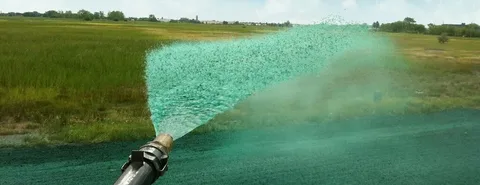
A lot of homeowners book a hydroseeding appointment, do nothing to the yard beforehand, and then wonder why they end up with patchy, thin grass six weeks later. The prep work is where the whole project either succeeds or falls apart. If the crew shows up to bare dirt full of rocks and old weeds, the seed mix doesn't stand a chance. Good news is that the prep isn't complicated. It just has to actually happen. If you're planning on Hydroseeding in Lake Oswego OR, what follows is a practical walkthrough of everything you need to do before that truck pulls into your driveway.
Clear the Area First
Start by walking the whole yard and pulling out anything that doesn't belong. Rocks, chunks of wood, old mulch piles, construction debris, all of it needs to go. Even small rocks can block seed-to-soil contact, and that contact is kind of everything when it comes to germination. Don't skip this step just because the rocks look small.
Old grass and weeds are a bigger problem than most people realize. If you've got an established lawn you're replacing, you'll need to kill it off completely before the hydroseeding crew arrives. A non-selective herbicide applied two to three weeks out is usually the way to go. After it dies, rake or till it under. Living weeds competing with new grass seed is a fast track to a patchy, uneven result that'll frustrate you for months.
Once the area is cleared, rake the surface so you're left with loose, workable soil. You want a texture that's a bit crumbly, not hard-packed. Think of it like a seedbed rather than a parking lot. Loose soil lets the hydroseed slurry make real contact with the ground underneath, which is exactly what you need for strong, even germination.
Grading and Leveling Matter More Than You'd Think
Flat isn't always the goal. Good grading means the yard slopes gently away from your house and any structures, so water drains outward instead of pooling. Standing water after rain is bad for new seed. Real bad. It can wash the slurry around, drown young seedlings, and create muddy low spots that never fill in right.
You don't need a laser level or heavy equipment for most residential yards. A garden rake and a bit of patience will handle most small high and low spots. For bigger grade issues, renting a box blade or hiring a grading contractor for a few hours is money well spent before you drop a larger amount on hydroseeding. According to Oregon State University Extension's soil preparation guidance, proper grading and soil loosening before seeding are among the most important factors in getting new grass established successfully.
Fill in any low spots with topsoil, then tamp lightly and rake smooth. High spots can usually just be raked down. The goal is a surface that's reasonably even, drains well, and won't funnel water into one corner of the yard every time it rains.
Test Your Soil and Fix What's Off
This step gets skipped constantly. Most homeowners assume their soil is fine, and sometimes it is. But often it isn't. Soil pH that's too acidic or too alkaline can stop grass seed from germinating even when everything else is perfect. A basic soil test from your local extension office or a garden center costs almost nothing and takes about a week to get results back.
For most grass types, you're aiming for a pH somewhere between 6.0 and 7.0. If you're below that, ground limestone brings it up. Too high, and sulfur brings it down. These amendments need time to work, so get your test done at least three to four weeks before your scheduled hydroseeding date. Rushing this part doesn't work well.
Nutrient levels matter too. If your soil is low on phosphorus, new roots struggle to develop. A starter fertilizer worked into the top few inches of soil before hydroseeding gives the seed a real head start. Don't over-apply, though. Too much nitrogen at the wrong time can actually burn young seedlings. Follow the test recommendations and don't guess.
Sort Out Irrigation Before the Crew Gets There
Hydroseeded lawns need consistent moisture for the first three to four weeks. That's non-negotiable. If you don't have an irrigation system already set up, you need a plan before the slurry goes down, not after. Scrambling to set up sprinklers after the crew leaves usually means the seed dries out in the meantime, and that's not a recoverable situation.
Hydroseeding Lake Oswego homeowners deal with dry stretches in summer, so don't assume natural rainfall will do the job. If you're working with a portable sprinkler setup, lay out your hoses and check coverage before the appointment. Make sure you can reach every corner of the seeded area without dragging equipment across fresh slurry. Walk the coverage pattern yourself and look for dry spots.
If you do have an in-ground irrigation system, run it a day or two before the hydroseeding appointment to confirm every zone is working and hitting the right spots. A zone that's not rotating or a head that's clogged will leave dry patches in your new lawn. Fix it before, not after. Two Guys Bark Blowing LLC is one local option that can walk you through what the site needs to look like before their crew starts work, which takes a lot of guesswork out of the process.
Plan for What Happens Right After Application
The hydroseed slurry goes down and it looks great. Green, even, professional. Now the hard part starts. You need to keep people, pets, and anything else off that surface while the seed germinates. That means a few weeks of real discipline. Even one heavy foot-traffic event early on can compress the soil, displace seed, and create bare patches that are annoying to fix.
Put up some kind of barrier or signage if you need to. Temporary fencing works well for yards with kids or dogs. It doesn't have to be fancy. Just something that makes the boundary obvious so nobody accidentally cuts across the corner while the grass is getting started.
First mowing timing is something a lot of people get wrong. Don't mow until the grass is at least three to four inches tall, and even then, don't cut more than a third of the blade height at once. Mowing too early pulls young plants right out of the ground. Wait, even if it looks shaggy. For ongoing Hydroseeding Lake Oswego projects, the timeline from application to first mow is typically three to six weeks depending on weather and grass type.
Frequently Asked Questions
How far in advance should I start preparing my yard before hydroseeding?
Ideally, start three to four weeks out. That gives you time to kill off old vegetation, get soil test results back, apply any amendments, and let everything settle before the crew arrives. Rushing the prep almost always shows up later as poor germination.
Do I need to till the soil before hydroseeding?
Not always, but usually yes. Tilling loosens compacted soil and lets the slurry make better contact with the ground. If your soil is already loose and workable, a good raking might be enough. Hard, compacted soil really does need to be broken up first.
Can I hydroseed over existing grass or weeds?
You shouldn't. Existing vegetation competes with new seed and blocks soil contact. Kill it off, rake it out, and start with as clean a surface as you can get. It's extra work, but skipping it leads to patchy, uneven results that are hard to fix later.
How often do I need to water after hydroseeding?
For the first two weeks, you're typically watering two to three times a day in short cycles, just enough to keep the surface moist without soaking it. After germination starts, you can back off to once a day and then less frequently as the grass matures. Drying out during those first two weeks is the most common reason hydroseeding fails.
Is hydroseeding better than laying sod for a new lawn?
Hydroseeding is usually quite a bit cheaper and works well for larger areas. Sod gives you instant coverage, but it costs more and still needs good soil prep underneath. For most homeowners establishing a new lawn from scratch, hydroseeding is a solid, cost-effective choice if the prep work is done right.
Get the ground ready properly and the rest of the process is pretty straightforward. The hydroseeding itself is the easy part. It's the two weeks of prep and the three weeks of careful watering after that actually determine whether you end up with a lawn you're happy with.

 English
 Arabic
 French
 Spanish
 Portuguese
 Deutsch
 Turkish
 Italiano
 Russian
 Romaian
 Portuguese (Brazil)
 Greek