


Beginner's Guide to Home Gas Line Repair
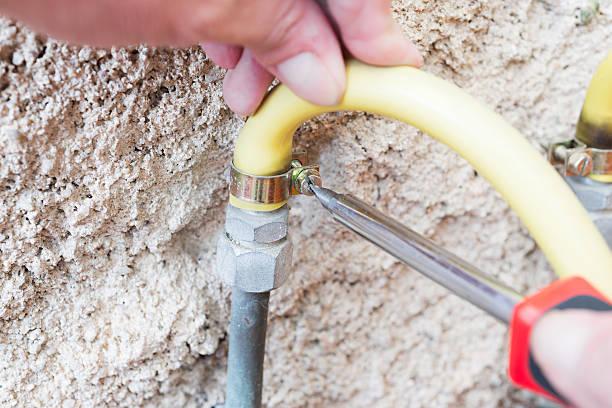
Gas line problems scare people. And honestly, that's a reasonable reaction. You can't see gas, you can't always smell it right away, and most homeowners have zero clue what's actually running beneath their floors and behind their walls. If you've noticed something off lately, maybe a faint sulfur smell or a gas bill that jumped for no reason, this guide is for you. We're going to walk through how your home's gas system works, what causes problems, how to spot them early, and what a real repair looks like. If you're in the desert Southwest and need help fast, look for Gas Line Repair in Palm Springs CA from a licensed pro who knows local codes and conditions.
How Your Home Gas System Is Actually Laid Out
Most people think of gas as just a pipe going to the stove. It's a bit more complicated than that. Your home has a main supply line that runs from the street meter into the house, then branches out to individual appliances like your furnace, water heater, dryer, and range. Each of those branch lines has its own shutoff valve, and the whole system operates under controlled pressure. The pipes are usually steel, black iron, or in newer homes, a flexible yellow material called CSST (corrugated stainless steel tubing). Understanding this layout matters because a problem in one branch doesn't always mean the entire system is compromised, but it can get there fast if it's ignored.
The connections between sections are where things tend to go wrong first. Threaded fittings, unions, and compression joints all have the potential to loosen over time. And in a place like Palm Springs, where summer heat is brutal and ground movement from dry soil is common, those joints get stressed in ways that people in milder climates just don't deal with.
What Causes Gas Line Damage in the First Place
Corrosion is one of the biggest culprits. Steel and iron pipes corrode from the outside when soil moisture and minerals eat into the metal over years and decades. It's slow, quiet, and completely invisible until there's a problem. Older homes, especially those built before the 1980s, are more likely to have aging pipes that haven't been inspected in a long time.
Ground shifting is another one. The desert soil in the Coachella Valley shrinks and expands based on moisture levels, and that movement puts stress on underground gas lines. It's not dramatic. No earthquake required. Just slow, repeated shifting that loosens joints and causes small cracks. Accidental punctures during renovations are also more common than you'd think. A contractor drilling through a wall or a homeowner digging in the yard can nick a line without realizing it. Faulty fittings installed during a past repair or appliance swap are another source of slow leaks that build up over time.
Warning Signs You Shouldn't Ignore
The rotten egg smell is the one everyone knows. Natural gas is odorless on its own, but utility companies add a chemical called mercaptan specifically so you can detect it. Smell it even faintly? Take it seriously. Don't assume it'll go away.
A hissing sound near a pipe, appliance, or wall is another red flag. That sound usually means gas is escaping under pressure through a gap or crack. Dead or yellowing vegetation in a strip across your yard can indicate an underground leak feeding gas into the soil and starving plant roots of oxygen. And if your gas bill spikes by 20 or 30 percent without any change in your habits or the weather, that's worth investigating. According to the U.S. Pipeline and Hazardous Materials Safety Administration, unreported leaks are one of the leading causes of residential gas incidents, so early detection genuinely saves lives.
What Gas Line Repair Actually Looks Like, Step by Step
A lot of homeowners picture repair as just tightening a fitting or wrapping some tape around a joint. That's not how it works with gas. Not legally, and not safely. Here's what a proper repair process looks like when you bring in a licensed technician.
-
Safety inspection and leak detection. The tech will use a combustible gas detector to locate the leak precisely. They'll check pressure levels throughout the system and identify exactly which section is compromised.
-
Shutting off and isolating the affected section. The damaged branch or segment gets isolated from the rest of the system. The main supply may be shut off at the meter depending on where the leak is.
-
Repair or section replacement. Small localized damage might be fixed with a fitting replacement. But if the pipe itself is corroded, cracked, or punctured, that section gets cut out and replaced entirely. No patching with tape or sealant on an active gas line.
-
Pressure testing before restoring service. Before the gas gets turned back on, the repaired section is pressure tested to confirm there are no remaining leaks. This is not optional. It's required by code.
-
System restoration and appliance relight. Once the test passes, service is restored and any pilot lights or appliances that were shut down get checked and relit.
Gas Line Repair in Palm Springs CA follows California state codes plus any local Coachella Valley requirements, so the technician you hire needs to be licensed in California specifically. Not all plumbers are certified for gas work. Ask before you book anyone.
If you're looking for someone who handles this regularly in the area, DND Plumbing is one local option that covers gas line work alongside standard plumbing services. Worth checking if you want someone already familiar with the conditions out here.
Safety Rules Every Homeowner Must Know
First rule: don't try to fix it yourself. Gas line work without a license is illegal in California and genuinely dangerous. Even a small mistake can lead to an explosion or carbon monoxide buildup. This isn't like fixing a leaky faucet.
If you suspect a leak, here's what you should do. Leave the house immediately, and take everyone with you including pets. Don't flip any light switches or use your phone inside the house. Electrical sparks can ignite gas. Once you're outside and a safe distance away, call your gas utility's emergency line and then 911 if the smell is strong. Do not go back inside until the utility company or fire department clears the building. If you can reach the main shutoff valve at the meter on your way out without going back inside, turn it off. But don't delay your exit to do it.
Gas Line Repair Services in Palm Springs CA professionals will tell you the same thing: your job in an emergency is to get out. Their job is to handle everything else. Don't let curiosity or cost concerns keep you inside a potentially dangerous building.
For non-emergency situations, like a bill spike or a very faint smell that comes and goes, call a licensed technician to come inspect the system. Gas Line Repair Services in Palm Springs CA providers can run a full diagnostic without you having to guess what's going on. Better to pay for an inspection and find nothing than to skip it and find out the hard way.
Frequently Asked Questions
Can I repair a gas line myself if the leak seems minor?
No. In California, gas line work must be done by a licensed contractor. Even small leaks can worsen quickly, and improper repairs can make things more dangerous, not less. Call a pro every time, no exceptions.
How long does a typical gas line repair take?
It depends on the location and extent of the damage. A straightforward fitting replacement might take two or three hours. Replacing a section of buried pipe can take most of a day. Your technician should be able to give you a time estimate after the initial inspection.
How do I know if my gas line is the old kind that needs replacing?
If your home was built before the mid-1980s and the gas lines have never been updated, there's a good chance you have aging black iron or steel pipes. A licensed technician can assess the condition of your system and tell you honestly whether you're looking at spot repairs or a fuller replacement.
What does mercaptan smell like exactly?
Most people describe it as rotten eggs or a strong sulfur smell. Some say it smells like a skunk. It's pretty hard to miss once you know what it is. If you smell something like that near an appliance or along a wall, treat it as a gas smell until proven otherwise.
Is a spike in my gas bill always a sign of a leak?
Not always. Colder weather, a new appliance, or a change in habits can cause bills to go up. But if you can't explain the spike and nothing else has changed, it's worth having a technician check for a slow leak. It's a quick inspection and the peace of mind is worth it.

 English
 Arabic
 French
 Spanish
 Portuguese
 Deutsch
 Turkish
 Dutch
Dutch
 Italiano
 Russian
 Romaian
 Portuguese (Brazil)