


Why Do Eye Exams Matter for Overall Health?
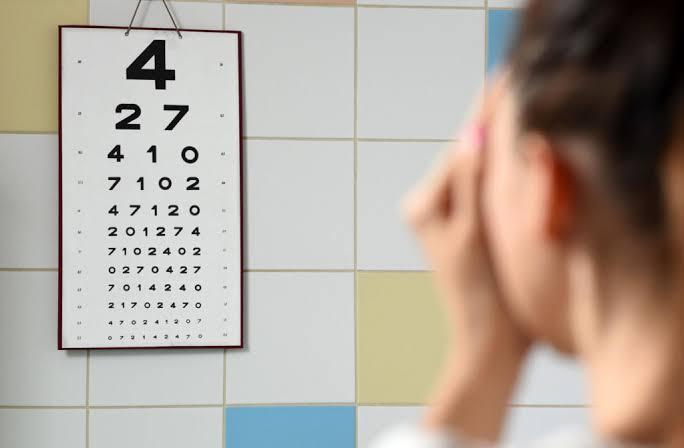
Many people think of eye exams as something you book only when your vision starts to blur. In reality, a comprehensive eye examination can reveal far more than whether you need glasses. The eyes are one of the few places in the body where blood vessels, nerves, and tissue can be observed directly without surgery, which makes them a valuable window into general health.
That is why regular check-ups are important even if your eyesight seems fine. An eye check in Sydney, for example, is not just about reading a chart or updating a prescription. It can help detect early signs of diabetes, high blood pressure, glaucoma, macular degeneration, and other conditions that may otherwise go unnoticed for years. For many Australians, the eye test becomes one of the simplest ways to pick up broader health issues before they become serious.
Understanding the connection between eye health and whole-body health can help people make better decisions about prevention, treatment, and long-term wellbeing. A routine exam may seem small, but its value can be significant.
Key points
- Eye exams can detect early signs of health conditions beyond vision problems.
- The eyes provide a clear view of blood vessels, nerves, and tissue.
- Conditions such as diabetes, hypertension, and glaucoma may show up during an exam.
- Regular testing helps protect vision and supports early treatment.
- Children, adults, and older people all benefit from routine eye checks.
How the Eyes Reflect Overall Health
The eyes are connected to the nervous system, circulatory system, and immune system, which means changes in the body can often appear there first. An optometrist can spot signs of strain, damage, inflammation, or disease during a detailed examination of the eyes.
For instance, tiny blood vessels in the retina may show narrowing, leakage, or swelling if a person has diabetes or high blood pressure. Changes in the optic nerve can signal glaucoma, while early retinal changes may suggest age-related macular degeneration. These signs are often visible before a person notices symptoms in daily life.
The role of the retina and optic nerve
The retina is the light-sensitive layer at the back of the eye. It captures images and sends them to the brain through the optic nerve. Because the retina contains delicate blood vessels, it can reflect changes in blood flow and circulation. The optic nerve, which carries visual information to the brain, can also show signs of pressure or nerve damage.
This is why eye examinations are often more informative than many people realise. They are not only assessing sight, but also evaluating structures that can reveal wider health patterns.
Common Health Conditions That May Be Detected
Eye exams can uncover a range of issues that extend well beyond the eyes themselves. Some are serious, some are manageable, and some may need urgent referral. The important point is that they can often be picked up early.
Diabetes
Diabetic eye disease can develop before a person experiences obvious vision loss. An exam may reveal leaking blood vessels, retinal swelling, or other signs of damage. In some cases, the eye is the first place where diabetes-related changes are noticed, prompting further medical testing.
High blood pressure
Hypertension can affect the blood vessels in the retina. An optometrist may see narrowing, bleeding, or other changes that suggest blood pressure is not well controlled. These signs can be valuable because high blood pressure often has no symptoms in its early stages.
Glaucoma
Glaucoma is a group of eye diseases that damage the optic nerve, often due to increased pressure inside the eye. It can progress quietly for a long time. Regular exams are essential because early glaucoma may not cause pain or noticeable vision changes until damage has already occurred.
Macular degeneration
This condition affects the central part of the retina and can reduce sharp, detailed vision. Early detection is important because management can help slow progression and preserve useful sight for longer.
Autoimmune and inflammatory conditions
Some systemic conditions, including autoimmune diseases, can cause inflammation in the eyes. Symptoms may include redness, light sensitivity, pain, or blurred vision. An eye examination can help identify these issues and guide appropriate care.
Why Regular Eye Exams Matter Even Without Symptoms
One of the biggest misconceptions about eye health is that a person only needs an exam if they cannot see clearly. The problem is that many eye and health conditions develop slowly. By the time vision changes become obvious, the underlying issue may already be advanced.
Routine eye tests help create a baseline. That means an optometrist can compare current findings with past results and notice small changes over time. This is especially useful for conditions that progress gradually, such as glaucoma or diabetic retinopathy.
Regular exams also help people who spend long hours on screens, drive frequently, or work in visually demanding roles. Eye strain, dry eyes, headaches, and focusing problems can all affect comfort and concentration, even when vision seems mostly fine.
Eye Exams for Different Life Stages
Children
Children may not realise they have a vision problem, especially if they assume everyone sees the way they do. Poor vision can affect learning, reading, sports, and concentration. Eye exams during childhood can identify issues such as short-sightedness, long-sightedness, squint, or lazy eye before they interfere with development.
Adults
Adults often delay eye tests until their vision changes. However, this can miss early signs of disease. For working adults, regular checks can support productivity, comfort, and safety, especially when driving or using digital devices for long periods.
Older adults
As people age, the risk of cataracts, glaucoma, macular degeneration, and other eye conditions increases. Older adults also have a higher likelihood of general health conditions that affect the eyes. Regular exams become even more important for maintaining independence and quality of life.
What Happens During a Comprehensive Eye Exam
A thorough eye examination usually includes more than a vision test. It may involve checking how well the eyes work together, measuring eye pressure, examining the front and back of the eye, and assessing the health of the retina and optic nerve.
Depending on the findings, the optometrist may use dilating drops to get a clearer view of the back of the eye. This can help detect changes that are not visible during a standard test. The process is generally straightforward and provides useful detail about both eye health and overall wellbeing.
Questions your eye care professional may ask
- Do you have headaches, blurred vision, or eye discomfort?
- Do you have a family history of eye disease?
- Do you live with diabetes, high blood pressure, or another medical condition?
- Do you notice difficulty reading, driving at night, or using screens?
These questions matter because eye health is closely linked to personal and family medical history. Sharing accurate information helps ensure the exam is as useful as possible.
How Eye Exams Support Prevention
Prevention is one of the strongest reasons to keep up with eye exams. When a problem is found early, there is often more time and more treatment options available. This can mean better outcomes, less discomfort, and a lower risk of permanent damage.
In some cases, an eye exam can even encourage someone to seek broader medical care. If an optometrist notices signs of elevated blood sugar or blood pressure, a referral to a GP may follow. This can lead to diagnosis and treatment of a health issue that might otherwise remain hidden.
Eye exams also support healthy habits. People may be advised on screen breaks, lighting, protective eyewear, sunglasses, contact lens care, or ways to reduce dryness and strain. These practical steps can make a real difference in daily comfort and long-term eye health.
When to Book an Eye Exam
The right timing depends on age, symptoms, family history, and existing health conditions. A person with no symptoms may still benefit from regular checks, while someone with diabetes, a family history of glaucoma, or sudden changes in vision may need more frequent reviews.
It is wise to book an appointment if you notice:
- Blurred or double vision
- Difficulty reading or seeing at night
- Eye pain, redness, or sensitivity to light
- Frequent headaches or eye strain
- Flashes, floaters, or a curtain-like shadow in vision
These symptoms do not always point to something serious, but they should never be ignored. Early assessment can make a big difference.
Conclusion
Eye exams matter because they do much more than check how clearly you can see. They can reveal early changes linked to serious health conditions, support prevention, and help protect both vision and general wellbeing. For children, adults, and older people alike, routine eye care is a practical part of staying healthy.
When you think of an eye exam as part of whole-body health rather than just vision care, its importance becomes much clearer. A simple check can uncover hidden problems, guide treatment, and provide peace of mind. In that sense, looking after your eyes is also one of the ways you look after the rest of your health.
FAQ
How often should I have an eye exam?
It depends on your age, vision needs, and medical history. Many people benefit from a check every one to two years, but those with eye disease, diabetes, or a family history of problems may need more frequent exams.
Can an eye exam detect diseases other than eye conditions?
Yes. Eye exams can reveal signs of diabetes, high blood pressure, autoimmune disease, nerve problems, and other health concerns that affect the eyes.
If my vision is fine, do I still need an exam?
Yes. Some eye diseases develop without obvious symptoms at first. Regular exams help detect issues early, before vision loss occurs.
Are eye exams uncomfortable?
Most are not. Some tests may involve bright light or dilating drops, which can cause temporary discomfort or blurred vision, but the process is usually quick and manageable.
What should I bring to an eye exam?
Bring your current glasses or contact lenses, a list of medications, and any details about your medical or family history. This helps the optometrist assess your eye health more accurately.
Can children have eye exams?
Yes. Children should have regular eye checks because vision problems can affect learning, behaviour, and development. Early detection is especially important.

 English
 Arabic
 Spanish
 Portuguese
 Deutsch
 Turkish
 Dutch
 Italiano
 Russian
 Romaian
 Portuguese (Brazil)
 Greek