


How to Spot Structural Issues Early in Your Home (Before They Become Major Repairs)
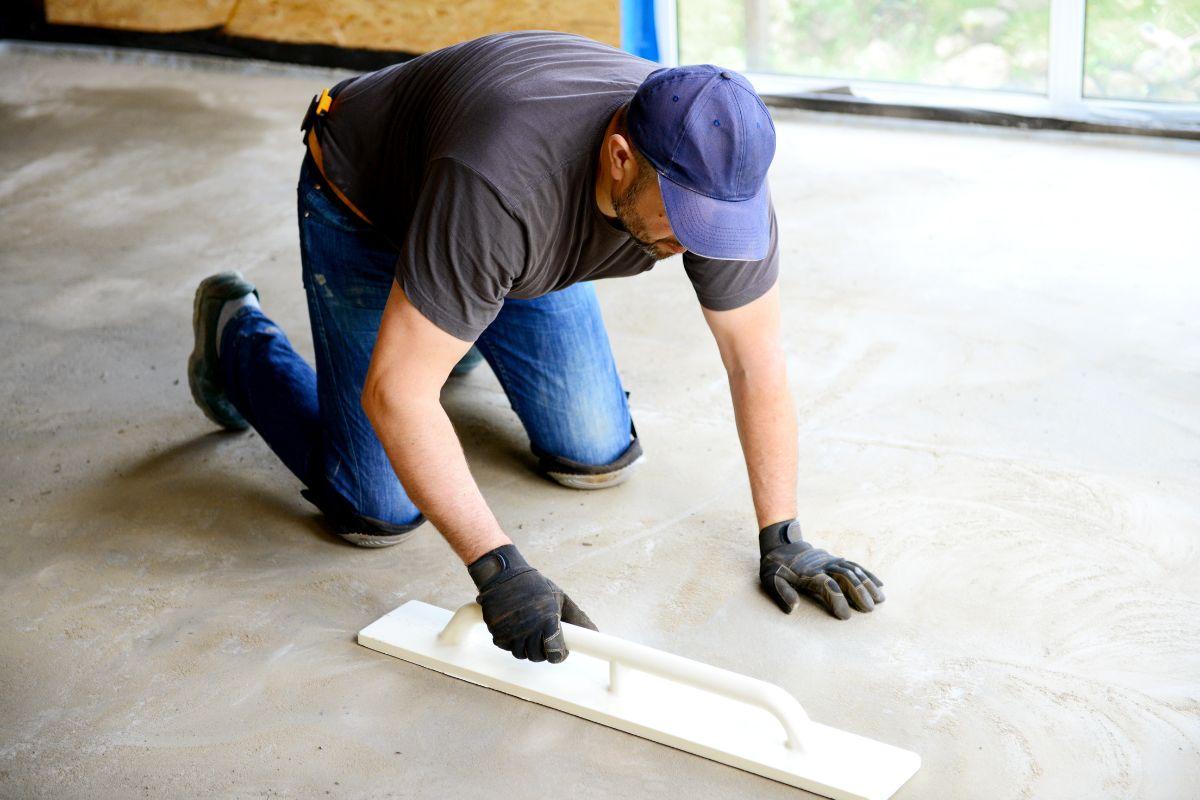
Your home quietly tells you when something isn't right. A sticking door, a crack creeping across a wall, or an uneven floor may seem like minor annoyances, but they can also be early warning signs of structural problems. Ignoring these subtle changes often allows small issues to develop into expensive repairs that affect your home's safety, value, and comfort.
Knowing what to watch for can help homeowners act before damage spreads. While not every crack or squeaky floor indicates a serious problem, recognizing the difference between normal settling and signs of structural movement is essential. When concerns arise, working with an experienced home remodeling contractor Knoxville homeowners trust can help identify the cause and recommend the right solution before costs escalate.
At MEL Realty Repairs LLC, homeowners receive practical guidance, quality craftsmanship, and comprehensive repair solutions that address both cosmetic concerns and the underlying structural issues that create them.
Why Early Detection Matters
Structural issues rarely appear overnight. Most develop gradually because of moisture, foundation movement, aging materials, poor construction practices, or changing soil conditions. Catching problems early provides several advantages:
- Lower repair costs
- Less disruption during repairs
- Better protection of your home's value
- Improved family safety
- Prevention of secondary damage like mold or water intrusion
Small repairs today are often significantly more affordable than extensive structural reconstruction years later.
Common Causes of Structural Problems
Understanding what causes structural damage helps homeowners stay proactive.
Foundation Settlement
Nearly every home settles over time. Minor settlement is expected, but uneven settlement creates stress throughout the structure.
Causes include:
- Expanding and contracting soil
- Poor drainage
- Tree roots absorbing moisture
- Improper soil compaction before construction
Water Damage
Water remains one of the biggest threats to any home's structural integrity.
Common sources include:
- Roof leaks
- Plumbing leaks
- Poor grading
- Clogged gutters
- Basement moisture
Water weakens wood framing, encourages rot, and softens soil supporting the foundation.
Aging Construction Materials
Every building material has a lifespan. Wood, concrete, mortar, roofing systems, and framing components naturally deteriorate over decades.
Regular inspections help identify aging materials before they fail.
Poor Renovation Work
Improper remodeling can unintentionally weaken load-bearing structures.
Examples include:
- Removing structural walls
- Improper beam installation
- Undersized support posts
- Incorrect framing modifications
Hiring a trusted remodeling professional ensures structural integrity remains protected during renovations.
Early Warning Signs Inside Your Home
Many structural problems first become noticeable indoors.
Cracks in Drywall
Hairline drywall cracks are common, especially in newer homes.
However, larger cracks deserve closer attention when they:
- Continue growing
- Appear above doors and windows
- Form stair-step patterns
- Reappear after repairs
These may indicate foundation movement rather than cosmetic settling.
Doors and Windows That Stick
If doors suddenly become difficult to open or windows refuse to close properly, shifting framing may be changing the shape of their openings.
Watch for:
- Doors rubbing against floors
- Gaps around frames
- Locks no longer lining up
- Windows that bind when opening
Uneven or Sloping Floors
Floors should remain relatively level.
Possible warning signs include:
- Noticeable slopes
- Soft spots
- Bouncy areas
- Sagging sections
These symptoms may point toward damaged floor joists, weakened beams, or foundation settlement.
Ceiling Cracks
Cracks along ceilings or where walls meet ceilings may indicate structural movement, especially if they widen over time.
Cabinets Separating from Walls
Built-in cabinets pulling away from walls often indicate movement within the home's framing rather than cabinet failure.
Exterior Warning Signs
Many structural issues become visible outside long before they affect interior spaces.
Foundation Cracks
Not every foundation crack requires major repair.
Vertical hairline cracks often result from normal curing.
More concerning cracks include:
- Horizontal cracks
- Wide cracks
- Stair-step brick cracks
- Cracks that continue expanding
Professional evaluation helps determine their severity.
Chimney Movement
A leaning chimney or widening gap between the chimney and house may indicate foundation movement.
Ignoring chimney separation can create safety hazards over time.
Brick or Masonry Cracks
Cracks running through brick rather than mortar joints often suggest structural movement.
Pay close attention if:
- Bricks shift outward
- Mortar separates
- Multiple cracks appear together
Roof Sagging
Rooflines should appear straight.
Visible dips may indicate:
- Failing rafters
- Water-damaged framing
- Excessive roof loads
- Aging structural components
Roof sagging should never be ignored.
Moisture Problems That Can Lead to Structural Damage
Water often causes structural issues before homeowners notice obvious damage.
Basement Moisture
Signs include:
- Damp walls
- Musty odors
- Standing water
- White mineral deposits
Persistent moisture weakens concrete while encouraging mold growth.
Crawl Space Problems
Many homeowners rarely inspect crawl spaces.
Potential warning signs include:
- Wood rot
- Mold
- Standing water
- Sagging insulation
- Insect activity
Routine inspections can prevent extensive repairs.
Roof Leaks
Even small roof leaks gradually weaken structural framing.
Watch for:
- Water stains
- Peeling paint
- Soft drywall
- Attic moisture
Prompt repairs help protect the entire home.
A Real-World Example
Consider a homeowner who noticed a small crack above the living room window shortly after purchasing an older house. Because the crack seemed minor, it was patched and repainted. Six months later, the crack returned, the front door became difficult to close, and several windows began sticking.
A professional inspection revealed that poor drainage around one corner of the home had allowed water to soften the supporting soil, causing uneven foundation settlement. Fortunately, the problem was identified before major structural damage occurred. Improving drainage, stabilizing the foundation, and repairing affected framing cost far less than waiting several more years, when significant wall reconstruction might have been necessary.
Situations like this demonstrate why paying attention to early warning signs saves homeowners considerable time and money.
How Often Should You Inspect Your Home?
Homeowners should perform a visual inspection at least twice each year.
Include:
Interior Inspection
Check:
- Walls
- Ceilings
- Floors
- Doors
- Windows
- Basement
Take photos of any cracks so you can monitor changes over time.
Exterior Inspection
Walk around your home looking for:
- Foundation cracks
- Drainage problems
- Roof damage
- Brick movement
- Gutters overflowing
- Standing water
After major storms, perform an additional inspection.
Preventative Maintenance Tips
Preventative maintenance remains one of the most proven ways to reduce structural repair costs.
Keep Water Away From the Foundation
Ensure:
- Gutters stay clean
- Downspouts discharge several feet away
- Landscaping slopes away from the home
- Drainage systems function properly
Control Moisture
Maintain:
- Proper attic ventilation
- Crawl space ventilation
- Plumbing repairs
- Roof maintenance
Moisture management protects nearly every structural component.
Trim Large Trees
Large tree roots can affect soil moisture around foundations.
Consult an arborist before removing mature trees located close to the home.
Address Small Repairs Quickly
Minor concerns often grow into larger problems.
Examples include:
- Small leaks
- Minor foundation cracks
- Loose flashing
- Rotting trim
- Damaged siding
Prompt repairs help prevent widespread damage.
When to Call a Professional
Some warning signs deserve immediate evaluation.
Contact an experienced contractor if you notice:
- Large wall cracks
- Rapidly expanding cracks
- Sloping floors
- Sagging ceilings
- Foundation movement
- Roof sagging
- Multiple sticking doors
- Water intrusion near structural areas
An experienced home remodeling contractor Knoxville homeowners rely on can determine whether repairs are cosmetic, structural, or part of a larger renovation plan.
Rather than simply covering visible damage, a well-experienced contractor identifies the root cause and develops a reliable, long-term solution.
Why Choose MEL Realty Repairs LLC?
Structural repairs require knowledge, precision, and experience. MEL Realty Repairs LLC provides homeowners with dependable repair and remodeling services designed to protect their investment for years to come.
Whether addressing foundation-related concerns, repairing water damage, or planning a complete renovation, the company focuses on quality workmanship and practical solutions tailored to each home's needs.
As a trusted home remodeling contractor Knoxville residents can count on, MEL Realty Repairs LLC combines careful inspections with innovative repair methods that prioritize long-term performance rather than temporary fixes. Every project is completed with attention to structural integrity, helping homeowners improve both safety and property value.
Final Thoughts
Structural problems often begin with subtle warning signs that are easy to overlook. Small cracks, sticking doors, uneven floors, or persistent moisture may seem insignificant at first, but they frequently point to larger issues developing behind the scenes.
Regular inspections, preventative maintenance, and timely repairs remain the best strategy for protecting your home's structure. Addressing concerns early helps avoid costly reconstruction while preserving your home's safety, comfort, and long-term value.
If you've noticed signs of structural movement or are planning a renovation, partnering with an experienced home remodeling contractor Knoxville homeowners trust ensures that every repair is completed correctly from the foundation up.

 English
 Arabic
 French
 Spanish
 Deutsch
 Turkish
 Dutch
 Italiano
 Russian
 Romaian
 Portuguese (Brazil)
 Greek