


How to Choose the Right Paint Colors for Every Room
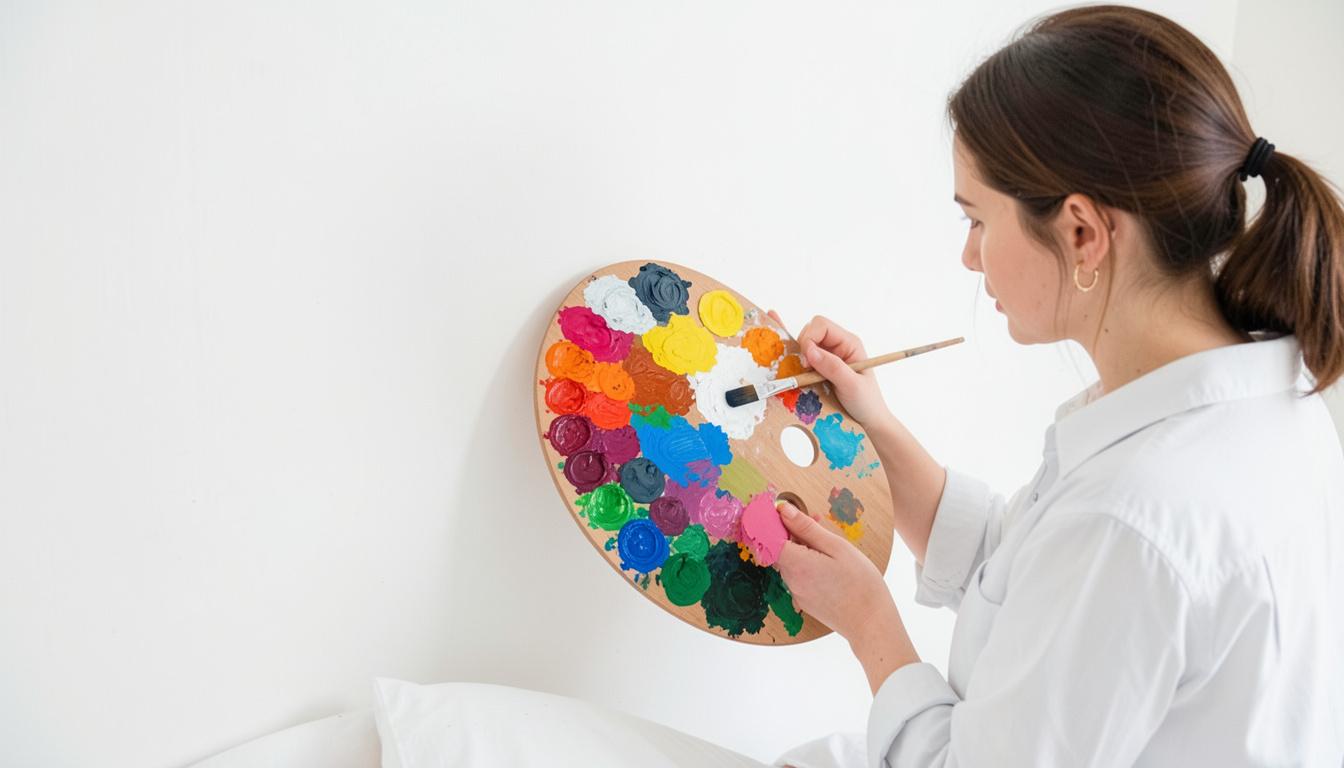
Choosing the right paint color is one of the easiest and most affordable ways to transform your home. A fresh coat of paint can make a small room feel larger, brighten dark spaces, and create a welcoming atmosphere for family and guests. However, with thousands of paint colors available, selecting the perfect shade for each room can quickly become overwhelming.
The best paint color depends on several factors, including the room's size, natural lighting, furniture, flooring, and the mood you want to create. While bold colors can add personality, neutral shades offer timeless appeal and flexibility. Understanding how colors affect a space helps homeowners make confident decisions that enhance both comfort and style.
In this guide, you'll learn how to choose the right paint colors for every room while creating a cohesive design throughout your home.
Understand How Color Affects Mood
Paint colors have a significant impact on how a room feels. Warm colors such as red, orange, and yellow create energy and warmth, making them excellent choices for dining rooms and social spaces. Cooler shades like blue, green, and soft gray promote relaxation, making them ideal for bedrooms and bathrooms.
Neutral colors remain popular because they complement almost any decorating style. White, beige, cream, and light gray create a clean, spacious appearance while allowing furniture and décor to stand out.
Before selecting a paint color, consider how the room will be used. A home office may benefit from calming shades that improve focus, while a playroom may look more inviting with brighter colors.
Testing paint samples on your walls before making a final decision helps you see how different colors affect the room throughout the day.
Consider Natural and Artificial Lighting
Lighting is one of the biggest factors influencing how paint colors appear. The same shade can look completely different depending on the amount of natural sunlight entering the room.
North-facing rooms usually receive cooler light, making colors darker. Warm whites, soft beige, or creamy tones help create a brighter atmosphere.
South-facing rooms receive abundant sunlight throughout the day. These spaces work well with both warm and cool colors because natural light enhances their appearance.
East-facing rooms receive sunlight, while west-facing rooms become warmer during the afternoon. Observing paint samples at different times of the day helps ensure you're satisfied with your final choice.
Artificial lighting also changes paint colors. LED bulbs, warm lighting, and cool lighting each affect how colors appear during the evening.
Choose the Best Paint Colors for Each Room
Every room serves a different purpose, so selecting appropriate colors improves both function and comfort.
Living Room
The living room is often the center of family gatherings. Neutral shades like warm gray, beige, taupe, or soft white create an inviting environment while allowing decorative accents to stand out.
If you want more personality, consider an accent wall in navy blue, sage green, or charcoal gray.
Kitchen
Bright kitchens feel cleaner and more spacious. White, light gray, pale blue, and soft green remain popular choices because they reflect light and complement most cabinet finishes.
For modern kitchens, darker shades paired with white cabinetry create an elegant contrast.
Bedroom
Bedrooms should promote relaxation and restful sleep. Soft blues, muted greens, lavender, warm gray, and creamy white all create a peaceful atmosphere.
Avoid overly bright or intense colors that may feel overwhelming in a sleeping area.
Bathroom
Bathrooms benefit from fresh, clean colors. White, light blue, seafoam green, and soft gray make small bathrooms appear larger while creating a spa-like feeling.
Moisture-resistant paint should always be used in bathrooms to prevent peeling and mildew.
Home Office
Productivity often improves in spaces painted with calming colors such as blue, green, or light gray. These shades reduce visual distractions while helping create a focused work environment.
Match Paint Colors with Existing Décor
Before choosing paint, consider your flooring, furniture, countertops, cabinets, and decorative accessories. Your paint color should complement these permanent features instead of competing with them.
If your furniture contains warm wood tones, warm paint colors usually create a harmonious appearance. Homes with modern furniture often pair well with cool gray, white, or soft neutral colors.
Using one consistent neutral color throughout connecting areas creates better flow between rooms while making the home feel larger.
Accent colors can then be added through artwork, pillows, rugs, and decorative accessories instead of repainting entire rooms.
Test Paint Samples Before Buying
Never choose paint based solely on a small color card at the store. Paint appears very different once applied to a wall.
Purchase several sample colors and paint large test areas on different walls. Observe them during the morning, afternoon, and evening to see how changing light affects the appearance.
Living with the samples for a few days helps prevent costly mistakes and ensures you're happy with your decision before painting the entire room.
Testing multiple shades side by side also makes comparing undertones much easier.
Don't Forget the Paint Finish
Choosing the correct paint finish is just as important as selecting the color.
Flat or matte finishes work well for ceilings and low-traffic bedrooms because they hide imperfections.
Eggshell and satin finishes are popular for living rooms, hallways, and dining rooms because they provide durability while remaining easy to clean.
Semi-gloss finishes are ideal for kitchens, bathrooms, trim, and doors because they resist moisture and clean easily.
High-gloss paint is typically reserved for cabinets, furniture, and decorative trim where a polished appearance is desired.
Conclusion
Choosing the right paint colors for every room doesn't have to be difficult. By understanding how color influences mood, considering natural lighting, matching existing décor, testing paint samples, and selecting the appropriate finish, you can create beautiful spaces that reflect your personal style.
A carefully chosen color palette improves your home's appearance, increases comfort, and may even boost property value. Whether you're refreshing one room or repainting your entire home, thoughtful planning ensures results you'll enjoy for years to come.

 Arabic
 French
 Spanish
 Portuguese
 Deutsch
 Turkish
 Dutch
 Italiano
 Russian
 Romaian
 Portuguese (Brazil)
 Greek