


How Bee Swarms Form and What Melbourne Residents Should Do
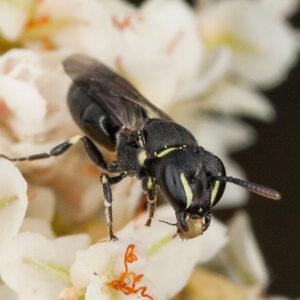
Seeing a large cluster of bees suddenly appear in your garden or around your property can be alarming. Fortunately, a bee swarm does not always mean the bees are aggressive. Swarming is a natural part of a honey bee colony's life cycle and is how colonies reproduce when they become overcrowded. Understanding why swarms form and knowing how to respond can help protect your family while ensuring bees are managed responsibly.
If you notice unusual bee activity, arranging a professional bees inspection Melbourne is the safest first step. An experienced technician can identify the bee species, determine whether the swarm is temporary or establishing a hive, and recommend the most appropriate solution.
What Is a Bee Swarm?
A bee swarm occurs when a large group of worker bees leaves an existing colony with a queen bee to establish a new home. Before settling permanently, the bees often gather in a temporary cluster on a tree branch, fence, shrub, or other outdoor structure while scout bees search for a suitable nesting location.
Although swarms can contain thousands of bees, they are generally focused on protecting the queen rather than attacking people.
Why Do Bee Swarms Form?
Swarming is a completely natural process and usually happens when an established colony becomes too large.
Several factors can trigger swarming, including:
- Overcrowded hives
- Warm spring and summer weather
- Abundant nectar and pollen
- Healthy colony growth
- Lack of space inside the existing hive
Once a suitable nesting site is found, the swarm moves to its new location and begins building a permanent colony.
When Are Bee Swarms Most Common?
In Melbourne, swarms are most frequently seen during spring and early summer when flowers are abundant and bee colonies are expanding rapidly.
During this period, homeowners may notice:
- Large clusters of bees on trees
- Increased bee activity around gardens
- Scout bees inspecting roof cavities
- Bees gathering near fences or sheds
Scheduling a bees inspection during peak bee season can help identify potential nesting sites before a colony becomes established.
How to Identify a Bee Swarm
A swarm usually looks very different from an active hive.
Common signs include:
- A dense cluster of bees hanging together
- Thousands of bees moving as one group
- Temporary gathering on trees or outdoor structures
- Constant buzzing around a single location
- Bees remaining relatively calm if left undisturbed
Unlike established colonies, swarms are often temporary and may move within a day or two.
What Should You Do If You Find a Swarm?
If you discover a swarm on your property, the safest approach is to remain calm and avoid disturbing the bees.
Recommended steps include:
- Keep children and pets away.
- Avoid spraying water or insecticides.
- Do not shake branches or attempt removal.
- Stay clear of the swarm's flight path.
- Contact experienced professionals for advice.
Attempting DIY removal can increase the risk of stings and may cause the bees to become defensive.
Understanding Native Bee Species
Not every group of bees is a honey bee swarm. Melbourne is also home to several native bee species that display different behaviours.
Blue Banded Bees
Blue banded bees are solitary pollinators recognised by their bright metallic blue stripes. They do not form large swarms like honey bees but may be seen visiting flowering plants during warmer months.
If they establish nests in unsuitable locations, professional blue banded bee removal Melbourne services can provide environmentally responsible management while protecting these valuable native pollinators.
Masked Bees
Masked bee Melbourne sightings are common during spring and summer. These small native bees usually nest alone in timber, stems, or small cavities and rarely behave aggressively.
Correct identification is important because many native bees require little or no intervention.
Why Professional Assessment Is Important
Although many swarms move naturally, some may begin building permanent nests inside homes, roof cavities, sheds, or wall spaces.
A professional inspection can:
- Identify the bee species.
- Locate hidden nesting sites.
- Determine whether the swarm is temporary.
- Recommend safe relocation where appropriate.
- Provide advice to prevent future infestations.
Early assessment reduces the likelihood of larger colonies developing on your property.
Local Knowledge Benefits Melbourne Residents
Bee activity varies across Melbourne depending on surrounding vegetation, nearby parklands, and residential development.
Homeowners seeking bee removal Essendon North often require assistance with swarms settling in gardens, roof spaces, mature trees, or commercial properties. Local experience helps technicians choose the safest and most effective management method for each unique situation.
Practical Tips to Prevent Future Swarms
While swarming is a natural behaviour, homeowners can make their properties less attractive to nesting bees.
Helpful preventative measures include:
- Seal gaps around roofs and walls.
- Repair damaged vents.
- Remove unused timber piles.
- Trim overgrown vegetation.
- Inspect sheds and outdoor structures regularly.
- Arrange routine bees inspection services before spring and summer.
Preventative maintenance reduces opportunities for new colonies to establish.
Key Takeaways
- Bee swarms are a natural part of colony reproduction.
- Swarms are usually temporary but should not be disturbed.
- Most swarming bees are focused on finding a new nesting site.
- Professional bees inspection services can determine whether removal is necessary.
- Native bees such as blue banded and masked bees should always be correctly identified.
- Early inspections help prevent permanent infestations.
Conclusion
Finding a bee swarm on your property can be unsettling, but understanding why swarms form makes it easier to respond safely. By avoiding DIY removal and arranging a professional assessment, Melbourne residents can protect their families while supporting Australia's important pollinator populations.
Whether you need advice about blue banded bee removal Melbourne, assistance with masked bee Melbourne, or reliable bee removal Essendon North, experienced professionals can provide safe, environmentally responsible solutions that protect both people and bees.

 Arabic
 French
 Spanish
 Portuguese
 Deutsch
 Turkish
 Dutch
Dutch
 Italiano
 Russian
 Romaian
 Portuguese (Brazil)
 Greek
Greek