


5 Things to Check After Hitting a Pothole Hard
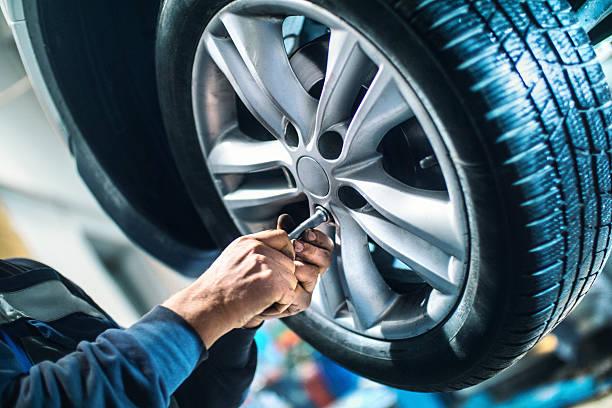
You hit it before you even saw it. That stomach-dropping thud, the steering wheel jerking sideways, and then the immediate wondering: did I just wreck my wheel? Probably not completely, but pothole damage is sneakier than most people expect. Bent rims, slow leaks, and alignment shifts don't always show up right away. They creep in over days or weeks, quietly getting worse, until you're looking at a repair bill that's way bigger than it needed to be. If you want real help from a shop that handles this kind of thing regularly, look into Auto Wheel Repair Huntington Beach CA and get someone to take a proper look before you write it off as fine.
Here are five things you should check after a hard pothole hit. Do it soon. Don't wait until the tire goes flat on the freeway.
1. Look at the Wheel and Rim Up Close
Get down and actually look. Most drivers give the tire a quick glance from standing height and call it good. That's not enough. Crouch down and run your eyes around the full rim, checking for obvious bends, chips, or cracks along the inner and outer lip. Even a small crack matters.
Bent rims are sometimes subtle. The bend might be on the inward-facing side of the wheel, totally invisible unless you're flat on the ground looking inward. Scuff marks and scrapes on the outer edge usually mean the rim took a direct hit. If you see any fresh gouges in the metal, that's a sign worth taking seriously. Don't assume it's just cosmetic.
Alloy wheels crack more cleanly than steel wheels, which tend to bend. Either way, a cracked or badly bent rim can't seal the tire properly, and that brings us to the next thing to check.
2. Watch for Slow or Recurring Pressure Loss
This one catches a lot of people off guard. They check the tire after the impact, it seems fine, and they move on. Then a week later the tire is low again. They pump it up. It goes low again. Sound familiar? That's not a nail. That's a rim.
When a rim gets bent or cracked from a hard hit, it can't hold a tight seal against the tire bead. Air escapes slowly along that gap, not fast enough to notice in a few hours, but consistently enough that you're topping up the tire every few days. If you're dealing with that pattern after a pothole hit, the tire itself might be perfectly fine. The wheel is the problem.
A tire shop can sometimes spot this just by dunking the wheel in water and watching for bubbles around the rim edge. It's a quick check and worth asking for. Auto Wheel Repair Services in Huntington Beach CA shops deal with this kind of thing constantly, especially on roads that have been rough all summer.
3. Feel for Vibration or Pulling While You Drive
Take the car out on a straight, flat road. Pay attention. Is the steering wheel vibrating at certain speeds? Is the car drifting to one side without you turning? Both of those things are telling you something is off.
Vibration, especially between 45 and 65 miles per hour, usually points to a wheel that's out of balance or slightly bent. The bend creates an imbalance as the wheel spins, and you feel it through the steering column. Pulling to one side is more likely an alignment issue, where the pothole knocked one or more wheels out of their correct angle. Alignment problems don't get better on their own. They get worse, and they eat tires unevenly in the process.
According to wheel alignment information from Wikipedia, even a small deviation in camber or toe angle can cause accelerated tire wear and handling problems. Getting alignment checked after a hard pothole hit isn't paranoid. It's just smart.
4. Listen and Look Underneath the Car
After a serious impact, it's worth getting down and looking under the wheel well. You're listening for sounds too, not just looking. Scraping, clunking, or a new grinding noise that wasn't there before can mean the suspension took a hit.
Potholes can bend control arms, damage tie rods, or knock wheel bearings loose. A clunking sound over bumps usually means something in the suspension is loose or cracked. A grinding or humming noise that changes with speed often points to a wheel bearing that got jarred out of position. These aren't small problems. A bad wheel bearing, left alone, can eventually seize, and that's a genuinely dangerous situation at highway speed.
If you see anything scraped, bent, or leaking underneath, don't just wipe it off and drive on. Have someone who knows suspension geometry take a look at it properly.
5. Know When Repair Makes Sense Versus When to Replace
Not every bent rim needs to be replaced. That's worth knowing. Minor bends on steel wheels can often be straightened on a machine, and small cracks in non-structural areas of an alloy wheel can sometimes be welded and refinished. The repair holds fine and costs a fraction of replacement.
But there are limits. Deep cracks running toward the center of the wheel, damage near the lug nut holes, or a bend so severe the rim is visibly warped usually mean replacement is the safer call. A repaired wheel that's structurally compromised is worse than no repair at all, because it gives you false confidence. If you're in the area and unsure, Sully's Auto Repair INC does this kind of assessment regularly and can tell you honestly whether a repair makes sense or whether a new wheel is the right move.
Auto Wheel Repair Services in Huntington Beach CA shops will usually inspect the wheel before quoting anything, so you're not guessing. Ask for that inspection first. It takes maybe ten minutes and gives you a real answer instead of assumptions.
The other thing to know: if your car has a tire pressure monitoring system, a bent rim can trigger false readings or confuse the sensors. So even if the warning light goes off after you top up the tire, that doesn't mean everything is resolved. The underlying issue might still be there.
Frequently Asked Questions
Can I keep driving after hitting a big pothole if the tire still looks okay?
Honestly, short distances are probably fine, but don't assume everything is good just because the tire looks inflated. Rim damage and alignment issues don't always show visually. Get it checked within a day or two, especially before any long drives.
How do I know if my rim is bent versus just scratched?
Scratches are surface-level and don't affect function. A bent rim usually shows as a visible bulge or flat spot on the rim edge, and you'll often feel it as vibration while driving. If you're not sure, a shop can put it on a balancing machine and see immediately whether it's running true.
Is wheel alignment really necessary after a pothole hit?
If you felt the car pull sideways or the steering wheel is sitting crooked on a straight road, yes, get it checked. Alignment is cheap compared to replacing two tires that wore out unevenly because you skipped it. Most shops can do a check quickly.
How much does rim repair usually cost compared to replacement?
Repair on a steel rim can run anywhere from $75 to $150 depending on the damage. Alloy wheel repair is a bit more, often $150 to $300. A replacement alloy wheel for a standard vehicle can easily run $200 to $500 or more per wheel. So repair, when it's an option, is worth considering.
What's the difference between wheel repair and tire repair?
The tire is the rubber part. The wheel (or rim) is the metal structure the tire mounts onto. A pothole can damage both, either, or neither. A puncture is a tire problem. A slow leak along the rim bead is usually a wheel problem. They're fixed differently, so it helps to know which one you're actually dealing with.
If you hit something hard and you're second-guessing whether to get it looked at, go get it looked at. The inspection usually costs nothing, and the peace of mind is worth a lot more than the hour it takes.

 English
 Arabic
 French
 Spanish
 Portuguese
 Deutsch
 Dutch
 Italiano
 Russian
 Romaian
 Portuguese (Brazil)
 Greek