


Blood Sugar Test: A Practical Guide to Monitoring Your Blood Glucose
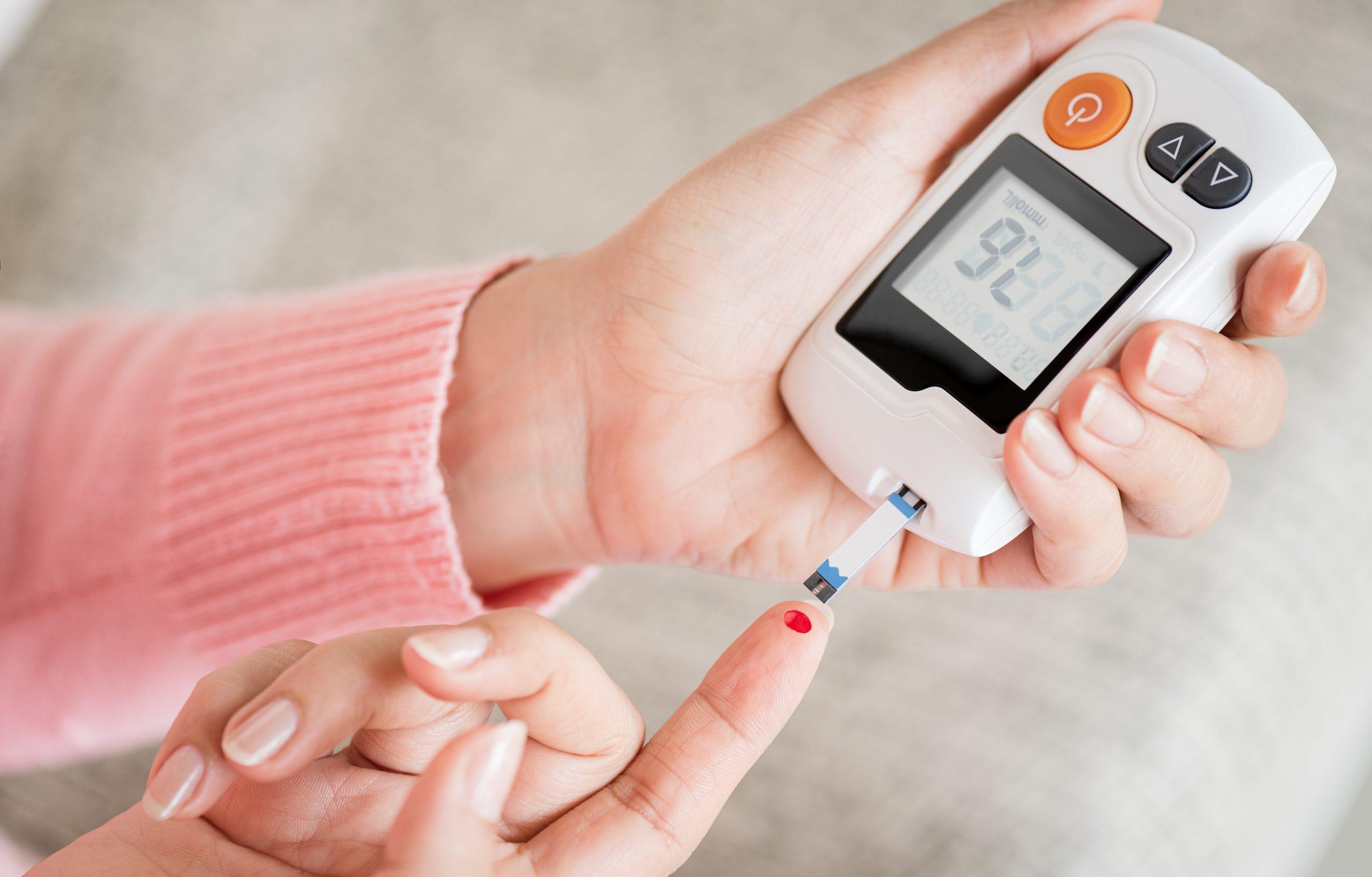
A blood sugar test is one of the simplest yet most valuable ways to understand your overall health. While it is commonly linked to diabetes diagnosis and treatment, blood glucose monitoring also plays an essential role in preventive healthcare, helping identify changes in your body's glucose regulation before serious complications arise. Whether you have been advised to monitor your blood sugar regularly or are simply interested in maintaining better metabolic health, understanding how blood glucose testing works can help you make smarter health decisions.
Blood Sugar Test in Dubai is not only about recording numbers. It is about recognizing patterns, understanding how your lifestyle affects your body, and working with your healthcare provider to reduce future health risks. This practical guide explains how blood sugar testing fits into daily life, when it should be performed, the available testing methods, factors that influence results, and practical strategies for maintaining healthy blood glucose levels.
The Science Behind Blood Glucose Monitoring:
Every meal containing carbohydrates is broken down into glucose during digestion. This glucose enters the bloodstream, where insulin, a hormone produced by the pancreas, helps transport it into body cells to be used as energy.
When insulin production is reduced or the body's cells become resistant to insulin, glucose accumulates in the bloodstream. Persistently elevated blood sugar may eventually contribute to prediabetes, type 2 diabetes, cardiovascular disease, kidney damage, nerve problems, and vision complications.
A blood sugar test measures the amount of glucose in your blood and provides valuable information about how effectively your body manages this process.
Why Regular Monitoring Matters?
Blood glucose levels naturally fluctuate throughout the day. Food, exercise, sleep, stress, illness, medications, and hydration all influence glucose levels.
Regular blood sugar monitoring helps you:
-
Detect diabetes early
-
Identify prediabetes before symptoms develop
-
Evaluate treatment effectiveness
-
Monitor lifestyle improvements
-
Understand daily glucose patterns
-
Reduce the risk of long-term complications
-
Support informed healthcare decisions
Rather than relying on occasional symptoms, routine monitoring provides objective information about your metabolic health.
Choosing the Right Blood Sugar Test:
Healthcare professionals use several blood glucose testing methods depending on individual needs.
Fasting Blood Sugar Test:
This laboratory test measures blood glucose after fasting for at least eight hours. It is widely used during routine health screenings and diabetes diagnosis.
Random Blood Sugar Test:
A random blood sugar test measures glucose regardless of meal timing and is particularly useful when symptoms such as excessive thirst or fatigue are present.
HbA1c Test:
Unlike a single blood glucose reading, the HbA1c test measures average blood sugar over approximately two to three months, making it ideal for long-term monitoring.
Oral Glucose Tolerance Test:
This test evaluates how efficiently the body processes glucose after consuming a glucose-rich drink and is commonly performed during pregnancy or when diabetes is suspected.
Home Blood Glucose Monitoring:
Portable glucose meters allow individuals to check their blood sugar at home using a small blood sample obtained from the fingertip. This method supports daily diabetes management and helps identify glucose trends.
Building a Daily Blood Sugar Monitoring Routine:
A consistent routine makes blood glucose monitoring more meaningful. Instead of focusing on isolated readings, regular testing helps reveal long-term patterns.
Test at Recommended Times:
Your healthcare provider may recommend testing:
-
Before meals
-
After meals
-
Before bedtime
-
Upon waking
-
Before or after exercise
Following a consistent schedule allows easier comparison of results over time.
Keep a Blood Sugar Log:
Recording your blood glucose readings along with meals, physical activity, medications, sleep quality, and stress levels helps identify factors influencing your results.
Many people use smartphone apps or digital glucose meters that automatically store readings for future review.
Review Trends Instead of Individual Numbers:
Blood sugar naturally changes throughout the day. Healthcare providers often focus on patterns rather than isolated readings when evaluating glucose control.
Monitoring trends provides a more complete picture of your metabolic health.
Everyday Habits That Influence Blood Glucose:
Your daily routine has a significant impact on blood sugar regulation. Understanding these factors allows you to make informed lifestyle choices.
Food Choices:
Meals rich in vegetables, whole grains, legumes, lean proteins, fruits, healthy fats, and fiber help maintain steady blood glucose levels. Highly processed foods, refined carbohydrates, and sugary drinks may contribute to rapid glucose spikes.
Physical Activity:
Exercise helps muscles use glucose more efficiently while improving insulin sensitivity. Walking, cycling, swimming, dancing, and strength training all contribute to healthier blood sugar control.
Sleep Quality:
Poor sleep affects hormones that regulate glucose metabolism and appetite. Consistently getting seven to nine hours of quality sleep supports healthy blood glucose levels.
Stress Management:
Stress hormones such as cortisol can temporarily increase blood glucose. Practicing meditation, deep breathing, yoga, or mindfulness may help reduce these fluctuations.
Hydration:
Drinking adequate water supports circulation, kidney function, and healthy glucose regulation. Mild dehydration may temporarily affect blood sugar readings.
Tips for Accurate Blood Sugar Testing:
Reliable blood glucose results depend on proper preparation and technique.
For laboratory testing:
-
Follow fasting instructions carefully.
-
Drink water unless advised otherwise.
-
Inform your healthcare provider about medications.
-
Mention recent illnesses or infections.
-
Avoid unnecessary stress before testing when possible.
For home monitoring:
-
Wash your hands before testing.
-
Use clean, properly stored test strips.
-
Check expiration dates on supplies.
-
Follow the manufacturer's instructions carefully.
-
Record results immediately.
Small preparation steps contribute to more dependable readings.
Understanding What Your Results Mean:
Blood sugar results should always be interpreted by a qualified healthcare professional. A single reading does not provide the full picture of your health.
Healthcare providers evaluate your results alongside:
-
Medical history
-
Family history
-
Current symptoms
-
Medications
-
Lifestyle habits
-
Previous laboratory findings
-
Age
-
Weight
-
Blood pressure
-
Cholesterol levels
Depending on the findings, results may indicate healthy glucose regulation, prediabetes, diabetes, or the need for additional testing.
When Should You Monitor More Closely?
Some individuals benefit from more frequent blood sugar monitoring.
Closer monitoring may be recommended if you:
-
Have diabetes
-
Have prediabetes
-
Are pregnant
-
Recently changed medications
-
Experience symptoms of abnormal blood sugar
-
Have frequent glucose fluctuations
-
Are recovering from illness
-
Have multiple diabetes risk factors
Your healthcare provider will recommend a monitoring schedule based on your individual health needs.
Common Challenges and Practical Solutions:
Blood glucose monitoring may seem overwhelming at first, but simple strategies make the process easier.
Forgetting to Test:
Set reminders on your phone or pair testing with daily routines such as breakfast or bedtime.
Inconsistent Results:
Maintain consistent testing times and discuss unusual readings with your healthcare provider rather than drawing conclusions from one result.
Difficulty Maintaining Healthy Habits:
Focus on gradual improvements instead of drastic changes. Small, sustainable lifestyle adjustments often lead to long-term success.
Feeling Discouraged by Readings:
Blood sugar values naturally fluctuate. Monitoring is designed to provide information, not judgment. Every reading offers useful insight that supports better health decisions.
Supporting Blood Sugar Through Long-Term Lifestyle Choices:
Healthy blood glucose management extends beyond testing.
Long-term wellness is supported by:
Balanced Nutrition:
Include vegetables, fruits, legumes, whole grains, lean proteins, healthy fats, and high-fiber foods in your daily meals.
Regular Physical Activity:
Aim for at least 150 minutes of moderate exercise each week while reducing prolonged sitting.
Healthy Weight Management:
Maintaining a healthy weight improves insulin sensitivity and supports stable blood glucose.
Quality Sleep:
Consistent sleep patterns contribute to balanced hormone function and healthier glucose regulation.
Routine Preventive Healthcare:
Regular medical checkups, blood sugar testing, cholesterol screening, and blood pressure monitoring create a complete picture of your overall health.
Frequently Asked Questions:
How often should I perform a blood sugar test?
The ideal testing schedule depends on your medical history, diabetes risk, current treatment, and healthcare provider's recommendations.
Can lifestyle changes improve blood glucose?
Yes. Balanced nutrition, regular exercise, maintaining a healthy weight, managing stress, staying hydrated, and getting adequate sleep all contribute to healthier blood sugar levels.
Is home monitoring enough?
Home blood glucose monitoring is valuable for daily management, but laboratory testing remains essential for diagnosis and comprehensive health evaluation.
Should I worry about one abnormal result?
Not necessarily. Blood glucose can fluctuate because of meals, illness, medications, stress, exercise, or sleep. Your healthcare provider will evaluate patterns and determine whether additional testing is necessary.
Conclusion:
A blood sugar Lab tests is one of the most practical tools for understanding and protecting your metabolic health. Whether performed during a routine health screening, at home with a glucose meter, or as part of ongoing diabetes management, regular blood glucose monitoring provides valuable insight into how your body responds to nutrition, physical activity, stress, medications, and other daily influences.
The greatest benefit of monitoring comes from using the information to guide healthier choices. By combining regular blood sugar testing with balanced eating, consistent exercise, quality sleep, effective stress management, proper hydration, and routine medical care, you can take a proactive approach to preventing complications and supporting lifelong wellness. Monitoring your blood glucose is not simply about measuring numbers—it is about gaining the knowledge needed to make informed decisions that protect your health today and in the future.

 Arabic
 French
 Spanish
 Portuguese
 Deutsch
 Turkish
 Dutch
Dutch
 Italiano
 Russian
 Romaian
 Portuguese (Brazil)
 Greek
Greek