


Why Do You Feel Allergic to Air? Common Triggers Explained
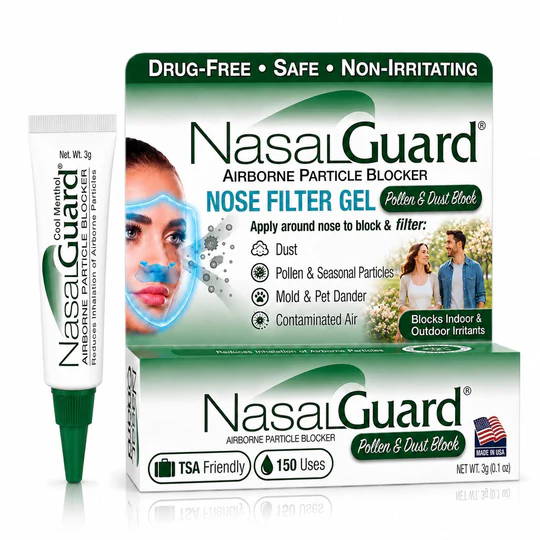
Many people describe themselves as allergic to air because they experience sneezing, itchy eyes, congestion, or breathing discomfort whenever they step outside or enter dusty environments. While you cannot literally be allergic to air, you can react to airborne allergens such as pollen, dust, mold spores, pet dander, and pollution particles. Understanding these triggers is the first step toward reducing symptoms and improving your daily comfort through practical prevention and effective protection.
What Does "Allergic to Air" Really Mean?
The phrase "allergic to air" is commonly used by people who suffer from environmental allergies. In reality, the body's immune system reacts to tiny airborne particles rather than the air itself. These allergens enter the nose and respiratory system, triggering inflammation and allergy symptoms. Common reactions include sneezing, a runny nose, watery eyes, coughing, nasal congestion, and irritation that can interfere with work, sleep, and outdoor activities throughout the year.
Common Airborne Allergens That Trigger Symptoms
Airborne allergens are present almost everywhere. Tree pollen is common during spring, while grass pollen becomes more active in summer. Weed pollen often peaks during autumn. Dust mites thrive indoors, especially in bedding and carpets. Mold spores increase in damp environments, and pet dander remains suspended in the air for long periods. Even pollution and smoke can worsen allergy symptoms by irritating already sensitive nasal passages and airways.
Recognizing the Symptoms of Environmental Allergies
Symptoms vary from person to person depending on the severity of the allergy and exposure level. Frequent sneezing, itchy throat, watery eyes, blocked sinuses, clear nasal discharge, coughing, headaches, and fatigue are among the most common signs. Some individuals also experience reduced concentration because ongoing nasal irritation affects sleep quality. Recognizing these symptoms early allows people to manage exposure before discomfort becomes more severe.
Why Airborne Particles Cause Allergic Reactions
When allergens enter the nose, the immune system mistakenly identifies them as dangerous substances. The body releases histamine and other inflammatory chemicals that produce familiar allergy symptoms. This protective response becomes exaggerated in allergic individuals. Continuous exposure without proper prevention can lead to chronic inflammation, making the nasal passages increasingly sensitive to everyday airborne particles found both indoors and outdoors.
Seasonal Allergies Versus Year-Round Allergies
Some people experience symptoms only during specific seasons because pollen counts rise dramatically. Others struggle throughout the year due to indoor allergens like dust mites, mold, or pet dander. Understanding whether your allergy is seasonal or perennial helps you create a more effective prevention plan. Tracking symptoms alongside weather conditions and indoor environments can reveal important patterns that guide better allergy management strategies.
How Indoor Air Quality Affects Allergies
Indoor spaces may seem safer, but they often contain hidden allergens. Dust accumulates on furniture, carpets, curtains, and bedding. Mold grows in damp bathrooms and basements, while pet dander circulates through ventilation systems. Regular cleaning, proper humidity control, and improved ventilation significantly reduce allergen levels. Maintaining cleaner indoor air creates a healthier environment for people with respiratory sensitivities and environmental allergies.
The Benefits of a Nasal Allergy Blocker Gel
A nasal allergy blocker gel provides a physical barrier inside the nostrils that helps reduce contact between airborne allergens and sensitive nasal tissues. Unlike medications that work after symptoms develop, barrier gels focus on prevention before allergens trigger the immune response. Many users appreciate this simple approach because it supports everyday comfort while fitting easily into daily routines during allergy seasons.
How an Airborne Particle Blocker Supports Daily Protection
An airborne particle blocker works by reducing the number of allergens entering the nasal passages. This protective approach helps minimize exposure before allergens interact with the immune system. People who spend time outdoors, commute through polluted cities, or work in dusty environments often benefit from adding an airborne particle blocker to their allergy prevention strategy. Consistent use can contribute to greater comfort during everyday activities.
Choosing Drug-Free Allergy Relief
Many individuals prefer drug-free allergy relief because they want to avoid potential medication side effects such as drowsiness or dry mouth. Drug-free solutions focus on limiting allergen exposure rather than changing the body's immune response. These options may include barrier gels, saline rinses, protective masks, and lifestyle adjustments. They can complement medical advice while supporting natural daily allergy management for many people.
Understanding Electrostatic Nasal Filter Technology
An electrostatic nasal filter is designed to capture airborne particles before they reach sensitive nasal tissues. Advanced filtration technology attracts tiny allergens and pollutants, reducing their entry into the respiratory system. This approach may be particularly useful for people exposed to pollen, dust, smoke, or urban pollution. Electrostatic filtration offers an additional layer of protection alongside other allergy prevention measures and healthy habits.
Is an Air Purifier for Your Nose Effective?
An air purifier for your nose describes products that help filter allergens directly at the point where they enter the body. Instead of cleaning an entire room, these solutions focus on protecting the nasal passages from airborne irritants. Combined with environmental control measures, they can help reduce exposure during outdoor activities, travel, gardening, or daily commuting, especially when pollen and pollution levels are elevated.
Everyday Habits That Reduce Allergen Exposure
Simple lifestyle adjustments can make a noticeable difference in allergy control. Keep windows closed during high pollen days, shower after outdoor activities, wash clothing regularly, vacuum with HEPA filtration, and replace air conditioning filters on schedule. Avoid drying clothes outdoors when pollen counts are high because allergens cling to fabric. These practical habits help lower overall exposure and reduce recurring allergy symptoms throughout the year.
Supporting Your Immune System Naturally
Although lifestyle changes cannot cure allergies, maintaining overall health supports better immune function. Eat a balanced diet rich in fruits and vegetables, stay hydrated, exercise regularly, and prioritize quality sleep. Managing stress may also reduce inflammation and improve overall well-being. These healthy habits work alongside allergen avoidance strategies to help people feel more comfortable during challenging allergy seasons and everyday environmental exposure.
When to Seek Medical Advice
Persistent or severe allergy symptoms deserve professional evaluation. Healthcare providers can identify specific allergens through testing and recommend personalized treatment plans. Prescription medications, immunotherapy, or additional preventive measures may be appropriate for people whose symptoms interfere with daily life. Medical guidance is especially important if allergies trigger asthma symptoms, breathing difficulties, recurring sinus infections, or ongoing sleep disruption despite preventive efforts.
Conclusion
Living with what feels like being allergic to air can be frustrating, but understanding your triggers makes effective management possible. Combining healthy lifestyle habits, environmental control, and innovative protective solutions such as a nasal allergy blocker gel, airborne particle blocker, drug-free allergy relief, electrostatic nasal filter, and an air purifier for your nose can significantly reduce exposure to allergens. With the right preventive approach and trusted solutions from NasalGuard, you can enjoy cleaner breathing, greater comfort, and improved confidence throughout every season.

 English
 Arabic
 French
 Spanish
 Portuguese
 Deutsch
 Turkish
 Dutch
 Italiano
 Russian
 Romaian
 Greek