


Pigmentation Treatment: Simple Solutions for Healthier and Brighter Skin
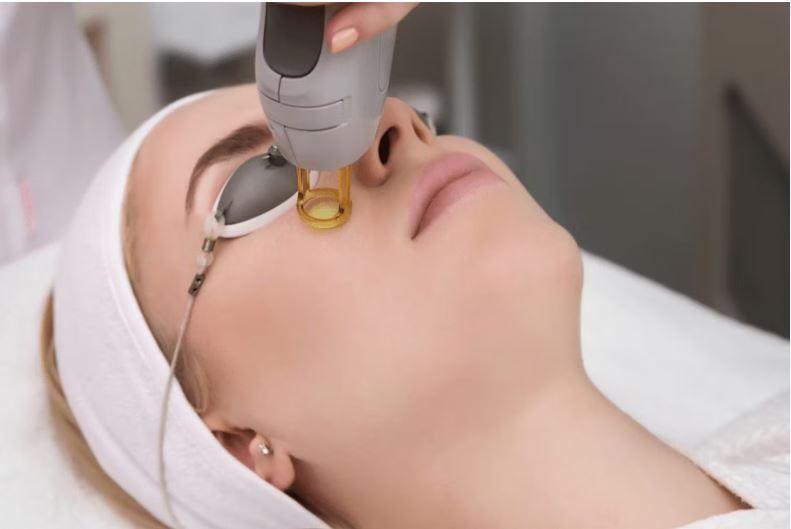
Skin pigmentation is a common concern for people of all ages. Dark spots, uneven skin tone, and patches can affect confidence and make the skin appear older than it is. Choosing the right Pigmentation Treatment can help reduce discoloration and restore a smoother, more even complexion. Early care and professional guidance often produce the best long-term results.
Understanding Skin Pigmentation
Skin gets its color from melanin, a natural pigment produced by specialized cells. When melanin is produced unevenly, dark patches or spots may appear on different areas of the body. These changes can happen gradually or develop after certain skin conditions.
Pigmentation is not always a medical problem, but many people seek treatment to improve their appearance. Modern skincare offers safe and effective solutions for different types of pigmentation.
What Causes Pigmentation?
Many factors contribute to skin discoloration. Knowing the underlying cause helps professionals recommend the most suitable treatment.
Some of the most common causes include:
- Excessive sun exposure
- Hormonal changes
- Acne scars
- Skin injuries
- Aging
- Certain medications
- Inflammation
- Genetic factors
Daily sun protection is one of the easiest ways to prevent pigmentation from becoming worse.
Types of Pigmentation
Different pigmentation conditions require different treatment methods.
Melasma
Melasma appears as brown or gray patches, usually on the cheeks, forehead, and upper lip. It often develops during pregnancy or because of hormonal changes.
Post-Inflammatory Hyperpigmentation
This condition develops after acne, burns, cuts, or skin irritation. Dark marks remain after the skin heals and may take months to fade naturally.
Sunspots
Sunspots result from years of UV exposure. They usually appear on the face, hands, shoulders, and arms.
Freckles
Freckles are small brown spots that become darker after sun exposure. While harmless, some people choose to reduce their appearance for cosmetic reasons.
Professional Treatment Options
Several modern treatments are available to improve pigmentation safely and effectively.
Topical creams are often the first choice. Products containing vitamin C, retinoids, niacinamide, or kojic acid gradually lighten dark spots.
Chemical peels remove damaged surface skin and encourage healthier skin growth. They improve texture while reducing discoloration.
Laser therapy targets excess melanin with precision. It is commonly recommended for stubborn pigmentation that does not respond well to creams.
Microneedling stimulates collagen production and promotes natural skin repair. Many people notice smoother skin and a more balanced complexion after several sessions.
Building a Daily Skincare Routine
Consistent skincare plays a major role in maintaining healthy skin.
Clean your face with a gentle cleanser twice daily. Avoid harsh scrubbing because it can irritate the skin.
Apply a moisturizer that keeps the skin hydrated. Healthy skin repairs itself more effectively.
Use sunscreen every morning, even on cloudy days. Choose SPF 30 or higher and reapply when spending time outdoors.
Avoid touching or squeezing pimples. This simple habit helps prevent long-lasting pigmentation marks.
Healthy Nutrition for Better Skin
Good nutrition supports skin from the inside.
Eat foods rich in vitamin C such as oranges, lemons, strawberries, and kiwi. Vitamin C helps support collagen production and brightens the skin naturally.
Include foods containing vitamin E like almonds, sunflower seeds, and spinach. These nutrients help protect skin cells from damage.
Omega-3 fatty acids found in fish, walnuts, and flaxseeds support healthy skin and reduce inflammation.
Drink enough water throughout the day to maintain proper skin hydration.
Lifestyle Habits That Make a Difference
Healthy habits improve both skin health and overall well-being.
Sleep for seven to eight hours every night. During sleep, the skin repairs damaged cells.
Exercise regularly to improve blood circulation. Better circulation delivers nutrients to skin cells more efficiently.
Reduce stress whenever possible. Chronic stress may worsen certain skin conditions.
Avoid smoking because it speeds up skin aging and delays healing.
Natural Ingredients That May Help
Some natural ingredients are commonly used in skincare routines.
Aloe vera provides soothing properties that may support skin healing.
Green tea contains antioxidants that help protect the skin from environmental damage.
Turmeric has been traditionally used in skincare because of its antioxidant properties.
Natural remedies may offer mild improvement, but they usually require patience and should not replace professional treatment for severe pigmentation.
Choosing the Right Skincare Expert
Professional evaluation is important before starting any treatment.
A qualified skincare specialist can determine the exact type of pigmentation and recommend personalized treatment options. This approach improves results while reducing unnecessary risks.
Following professional advice consistently often delivers better outcomes than trying multiple products without guidance.
Traditional Wellness Practices
Many people also include traditional wellness therapies in their self-care routine. One example is Wet Cupping, which has been practiced for generations in different cultures. It is commonly chosen by individuals seeking additional wellness support under trained practitioners.
While traditional practices may complement a healthy lifestyle, they should not replace medically recommended skincare treatments for pigmentation.
Long-Term Skin Maintenance
Successful pigmentation management requires ongoing care. Even after noticeable improvement, protecting the skin remains essential.
Continue using sunscreen daily and follow a gentle skincare routine. Regular follow-up appointments can help maintain results. Some individuals also choose Hijama Therapy as part of their personal wellness routine while continuing their professional skincare plan.
Conclusion
Managing pigmentation takes patience, consistency, and the right treatment approach. Modern skincare treatments combined with healthy daily habits can significantly improve skin tone and confidence. For professional skincare services, London Aesthetics & Rejuvenation Center - Thokar Niaz Baig is a trusted choice for clients in Thokar Niaz Baig, Lahore, and the surrounding areas. Their experienced team provides personalized solutions designed to help every client achieve clearer, healthier, and more radiant skin.

 English
 Arabic
 French
 Spanish
 Portuguese
 Deutsch
 Dutch
 Italiano
 Russian
 Romaian
 Portuguese (Brazil)
 Greek