


The Complete Guide to Full Blood Test and Routine Health Screening
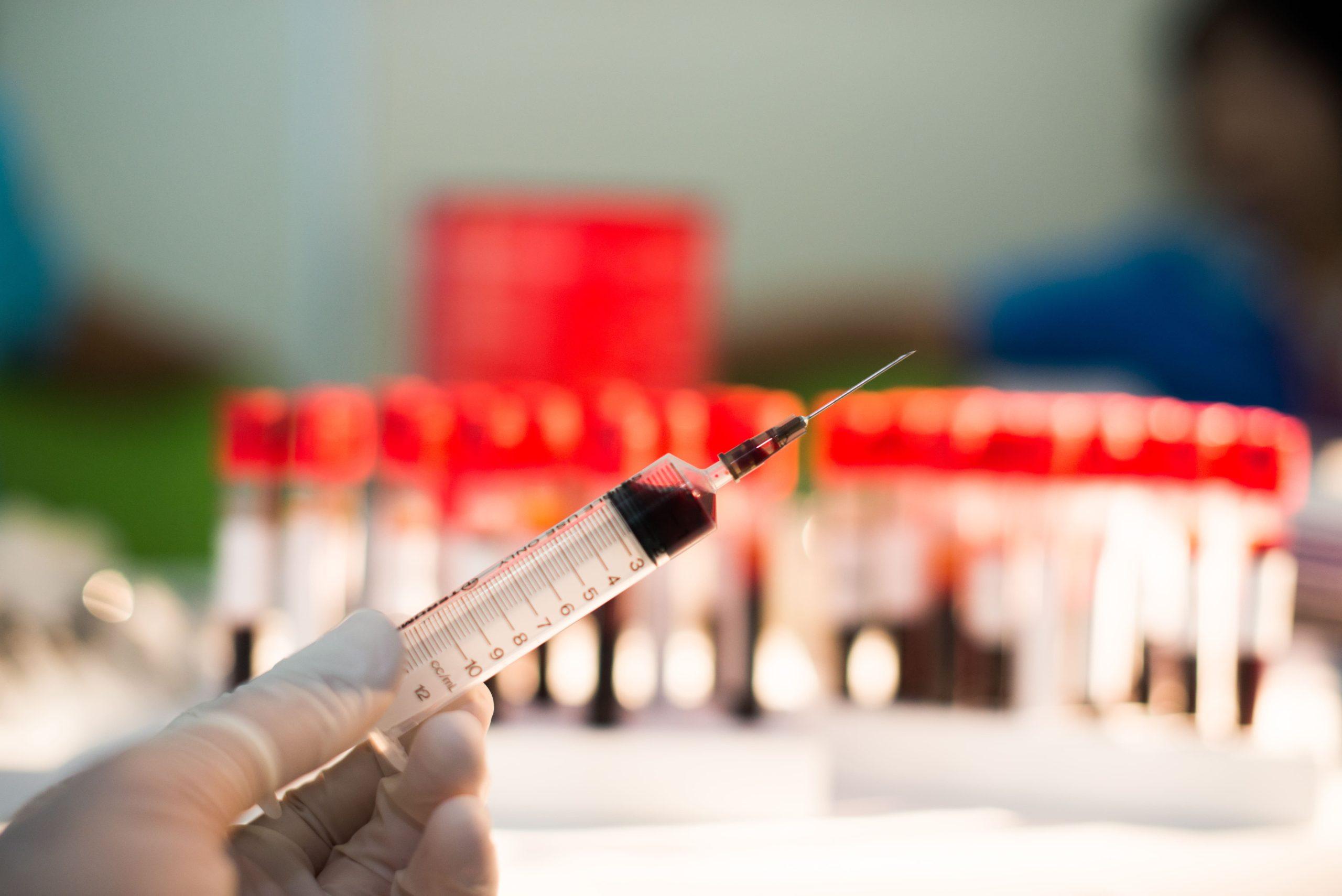
A routine health screening is one of the most effective ways to stay informed about your overall wellbeing, and a Full Blood Test in Dubai is at the heart of that process. While many illnesses develop silently without obvious symptoms, changes in your blood often appear long before physical signs become noticeable. This makes blood testing an essential tool for early disease detection, preventive healthcare, and long-term health management.
A comprehensive blood test provides detailed information about your blood cells, blood glucose, cholesterol levels, kidney function, liver health, electrolyte balance, and nutritional status. Whether you are attending an annual medical checkup, monitoring an existing condition, or simply taking a proactive approach to wellness, understanding the role of routine blood screening can help you make informed healthcare decisions.
This guide explores everything you need to know about full blood tests, their connection to routine health screening, and how they contribute to a healthier future.
Why Routine Health Screening Is More Important Than Ever?
Modern healthcare focuses on prevention rather than waiting for diseases to progress. Routine health screening allows healthcare professionals to identify risk factors early, monitor important body functions, and recommend timely interventions before serious complications develop.
Many common conditions, including diabetes, high cholesterol, hypertension, thyroid disorders, and kidney disease, may not cause symptoms during their early stages. A full blood test helps detect these conditions while treatment is often simpler and more effective.
Regular health assessments also establish baseline measurements, making it easier for doctors to compare future results and recognize subtle health changes over time.
What Makes a Full Blood Test Comprehensive?
A full blood test is not a single laboratory examination. Instead, it combines multiple diagnostic tests that evaluate different systems within your body.
Together, these investigations provide a detailed overview of your health and help identify abnormalities that require further attention.
The exact tests included depend on your age, symptoms, family history, and medical needs, but most routine health screenings include several core laboratory assessments.
The Essential Components of a Full Blood Test:
Complete Blood Count (CBC):
The Complete Blood Count is one of the most frequently requested laboratory investigations because it evaluates the health of your blood cells.
This test measures:
- Red blood cells
- White blood cells
- Hemoglobin
- Hematocrit
- Platelet count
- Mean corpuscular volume
The CBC helps detect anemia, infections, inflammation, immune disorders, blood clotting abnormalities, and certain blood diseases.
Blood Glucose Assessment:
Blood glucose testing measures the concentration of sugar in your bloodstream. It is widely used to diagnose diabetes, identify prediabetes, and monitor blood sugar control in individuals receiving treatment.
Maintaining healthy blood glucose levels reduces the risk of complications affecting the heart, kidneys, eyes, and nerves.
Lipid Profile:
A lipid profile evaluates cardiovascular health by measuring:
- Total cholesterol
- LDL cholesterol
- HDL cholesterol
- Triglycerides
Abnormal cholesterol levels increase the likelihood of heart disease and stroke, making regular screening especially important for adults over 40 or individuals with cardiovascular risk factors.
Liver Function Tests:
The liver supports digestion, metabolism, detoxification, and protein production.
Blood tests measuring ALT, AST, ALP, bilirubin, and albumin help identify liver inflammation, fatty liver disease, hepatitis, medication-related liver injury, and other liver disorders.
Kidney Function Tests:
Healthy kidneys remove waste products and regulate fluid balance.
Routine blood screening measures creatinine, blood urea nitrogen (BUN), and estimated glomerular filtration rate (eGFR) to evaluate kidney performance.
Early detection of kidney disease allows treatment before permanent damage develops.
Electrolyte Panel:
Electrolytes are minerals that regulate hydration, nerve function, muscle contraction, and heart rhythm.
This panel commonly measures sodium, potassium, chloride, and bicarbonate to identify dehydration, kidney disorders, or electrolyte imbalances.
How Routine Blood Tests Help Detect Hidden Health Problems?
One of the greatest strengths of preventive blood testing is its ability to identify medical conditions before symptoms appear.
Routine laboratory screening may reveal:
Iron Deficiency:
Low iron levels reduce the body's ability to produce healthy red blood cells, often causing fatigue, weakness, headaches, and poor concentration.
Vitamin Deficiencies:
Blood tests can identify deficiencies in vitamin B12, folate, vitamin D, and other nutrients essential for healthy body function.
Diabetes:
Elevated blood glucose levels often develop gradually, making routine screening essential for early diagnosis.
High Cholesterol:
Because high cholesterol rarely causes noticeable symptoms, regular lipid testing remains one of the best ways to assess cardiovascular risk.
Liver and Kidney Disease:
Blood chemistry changes frequently appear before liver or kidney disease produces physical symptoms.
Infection and Inflammation:
Changes in white blood cell counts and inflammatory markers help doctors identify infections or immune-related conditions requiring further investigation.
Who Should Schedule Routine Health Screening?
Although preventive healthcare benefits everyone, some individuals face greater health risks and should prioritize regular blood testing.
Routine screening is particularly recommended for people who:
- Are over 35 or 40 years old
- Have a family history of diabetes or heart disease
- Have high blood pressure
- Are overweight
- Smoke cigarettes
- Have elevated cholesterol
- Take long-term medications
- Experience ongoing fatigue or unexplained weight changes
- Have chronic medical conditions
- Want to monitor their general health
Regular blood screening provides valuable reassurance even for individuals who feel completely healthy.
Preparing for Your Blood Test:
Proper preparation improves the accuracy of laboratory results.
Depending on the requested investigations, your healthcare provider may recommend:
- Fasting for eight to twelve hours
- Drinking water before testing
- Avoiding alcohol the day before
- Informing the laboratory about medications
- Avoiding strenuous exercise immediately beforehand
Following these instructions helps produce reliable results that accurately reflect your health.
How Healthcare Professionals Interpret Blood Test Results?
Many patients become concerned after seeing laboratory values marked as high or low. However, interpreting blood tests requires more than simply comparing numbers with reference ranges.
Healthcare professionals evaluate your results alongside:
- Medical history
- Current symptoms
- Age
- Sex
- Lifestyle habits
- Medications
- Previous laboratory reports
- Physical examination findings
A slightly abnormal result may have little clinical significance, while multiple small changes together may indicate an underlying condition.
This comprehensive approach ensures accurate diagnosis and appropriate treatment planning.
The Role of Lifestyle in Blood Health:
Your daily habits have a direct impact on many laboratory values.
Healthy lifestyle choices support normal blood test results by improving metabolic health and organ function.
Important habits include:
Eating a Balanced Diet:
Foods rich in vegetables, fruits, lean protein, healthy fats, and whole grains help maintain healthy cholesterol, blood glucose, and vitamin levels.
Staying Physically Active:
Regular exercise improves cardiovascular health, supports healthy weight management, enhances insulin sensitivity, and reduces triglycerides.
Drinking Enough Water:
Hydration supports kidney function, healthy circulation, and electrolyte balance.
Getting Quality Sleep:
Adequate sleep contributes to hormonal regulation, immune function, and metabolic health.
Managing Stress:
Long-term stress may negatively affect blood sugar, blood pressure, and inflammatory markers. Stress management techniques contribute to overall wellbeing.
Common Questions About Full Blood Tests:
How long does a blood test take?
Most blood samples are collected within five to ten minutes.
Is fasting always necessary?
No. Fasting is generally required only for certain tests, including fasting blood glucose and some cholesterol assessments.
Are routine blood tests painful?
Most people experience only a brief needle prick with minimal discomfort.
How often should blood tests be repeated?
Healthy adults may undergo routine screening every one to three years, while individuals with chronic diseases often require more frequent monitoring.
Can lifestyle changes improve future blood test results?
Yes. Healthy eating, exercise, hydration, smoking cessation, and weight management frequently improve cholesterol, blood glucose, liver function, and other important biomarkers.
Making Blood Testing Part of Your Preventive Health Plan:
Routine health screening should not be viewed as a one-time event. Instead, it works best when combined with regular medical care and healthy lifestyle choices.
An effective preventive healthcare plan includes:
- Annual medical checkups
- Routine blood testing
- Blood pressure monitoring
- Healthy nutrition
- Regular exercise
- Weight management
- Smoking cessation
- Adequate sleep
- Stress reduction
- Follow-up appointments when recommended
Together, these practices create a strong foundation for lifelong health.
Final Thoughts:
A full blood Lab tests is one of the most valuable components of routine health screening because it provides a comprehensive overview of your body's internal health. By evaluating blood cells, blood glucose, cholesterol, liver function, kidney performance, electrolyte balance, and nutritional status, it helps identify hidden health problems before they become serious.
Regular blood testing empowers healthcare professionals to monitor disease progression, assess treatment effectiveness, and recommend personalized lifestyle changes that support long-term wellness. Whether you are scheduling your first preventive health screening or continuing routine medical monitoring, a comprehensive blood test remains one of the smartest investments you can make in your future health.

 English
 Arabic
 French
 Spanish
 Portuguese
 Deutsch
 Dutch
 Italiano
 Russian
 Romaian
 Portuguese (Brazil)
 Greek