


Beginner's Guide to Locksmith Services
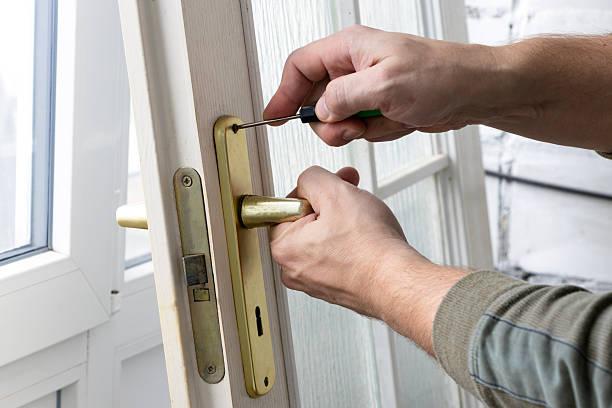
Most people call a locksmith in a panic. Locked out at 11pm, keys stuck in the ignition, or standing outside their front door in the rain after a break-in. Not exactly the ideal moment to research your options. The truth is, locksmiths do a lot more than pop locks open, and knowing what they cover before something goes wrong can save you real money and stress. If you're looking for a Local Locksmith in Allentown PA and you've never hired one before, this guide walks you through everything: what they actually do, what it costs, and what to expect when one shows up at your door.
What a Locksmith Actually Does
People assume it's just lockouts. It's not. A licensed locksmith covers three big categories: residential, commercial, and automotive. Residential work includes rekeying locks after a move, replacing deadbolts, installing smart locks, and doing full security assessments on a home. Commercial jobs get more complex fast, covering master key systems, keypad entry setups, and high-security door hardware for offices or warehouses. Then there's automotive, which is a whole separate skill set.
Car lockouts are just the start on the auto side. Locksmiths can cut and program transponder keys, replace key fobs, and handle ignition issues. Lost your only car key with no spare? A good automotive locksmith can often sort that out on the spot, which is way cheaper than a dealership and faster too. So yes, the scope is genuinely wide.
Types of Locks a Locksmith Works With
Not all locks are the same, and not every locksmith handles every type. Standard deadbolts are bread and butter for most residential locksmiths. But smart locks, the kind that connect to your phone or use keypads, require someone who knows the tech side too. Worth asking before you book.
High-security locks are a different animal. Brands like Medeco or Mul-T-Lock use patented keyways and pick-resistant cylinders, and only certain locksmiths are certified to work on them. Padlocks, cam locks on mailboxes or filing cabinets, and mortise locks on older doors all show up in everyday locksmith work too. And on the car side, transponder keys (the ones with a chip inside the plastic head) need both cutting and electronic programming to work. Getting that wrong means a key that fits but won't start the car. Not fun.
According to the Wikipedia overview of security locks, modern pin tumbler locks have been around since the mid-1800s, but the technology inside them has changed a lot. Knowing which generation of lock you're dealing with helps a locksmith pick the right tool for the job.
When You Actually Need a Locksmith vs. a DIY Fix
Sometimes you don't need to call anyone. A door that won't latch because the strike plate is slightly misaligned? That's a screwdriver job. A loose door handle? Same deal. But there's a line, and it's easy to cross without realizing it.
You need a locksmith when keys are lost and you can't account for where they went. That's a rekeying situation, not just a duplicate key situation. You need one after a break-in, full stop, because even if the door looks fine the lock mechanism may be damaged or compromised. And if you've just moved into a rental or bought a house, you have no idea how many copies of your key are floating around out there. A rekey costs a lot less than you'd think and fixes that problem completely.
Broken key stuck in the lock? Don't try to fish it out with tweezers. Locksmiths have extraction tools specifically for that, and the wrong DIY attempt usually makes it worse. Same goes for frozen car locks in winter. A locksmith can handle it without cracking anything.
What Happens During a Locksmith Visit
Here's something a lot of first-timers don't expect: the locksmith will ask you to prove you own or live at the property before doing any work. That's normal. Standard practice. They might ask for a photo ID matching the address, a lease agreement, or a vehicle registration for car jobs. Don't be offended by it. It protects you as much as it protects them.
After that, the process is pretty straightforward. They assess the lock, explain what they're going to do, and give you a price before starting. Any reputable locksmith quotes upfront. Then they get to work, whether that's picking the lock, drilling it as a last resort, or cutting a new key on a mobile key-cutting machine right there in your driveway. The whole thing usually takes between 15 and 45 minutes depending on the job.
If you're in the Allentown area and want someone who shows up fast and does the whole job on-site, PrimeKey Mobile Locksmith is one option people around here use regularly for both home and car calls. Mobile locksmiths are generally worth the call because they come to you, no towing, no waiting at a shop.
How Locksmith Pricing Actually Works
Pricing confuses people because it varies a lot. A few factors drive most of the difference. Time of day is a big one. Emergency calls at 2am cost more than a scheduled afternoon appointment. That's just how it works, and it's not a scam, it's overtime. Lock complexity matters too. Rekeying a basic deadbolt is cheap. Programming a transponder key for a newer luxury car takes more time and specialty equipment, so it costs more.
Service type changes the number significantly. A lockout call is usually the lowest-cost job. A full lock replacement with a high-security cylinder, plus labor and hardware, adds up. Most residential lockouts in the Allentown area run somewhere between $75 and $150 depending on the lock and the hour. Car key programming can run $150 to $300 or more for certain makes.
Red flags to watch for: a locksmith who quotes $15 on the phone and then hits you with a $300 bill at the door. That's a real scam pattern. Also watch out for anyone who immediately says they need to drill your lock without trying any other method first. Drilling is a last resort. A skilled Locksmith in Allentown PA should be able to pick or bypass most standard residential locks without destroying them. If they go straight for the drill, ask why. And if they can't give you a clear answer, send them away.
A Few Things Worth Knowing Before You Call
Get the company name and phone number before they arrive and look them up. A quick search should show reviews, a real website, and some history. If there's nothing online, that's a problem. Ask for a written or at least verbal quote before work starts. And make sure the tech who shows up is the same company you called, not a third-party subcontractor you know nothing about.
Keep the number of a reliable Locksmith in Allentown PA saved in your phone now, not after you're already locked out. That one small thing makes the whole situation less stressful when something does go wrong. And it will eventually. Local Locksmith in Allentown PA services vary in quality, so doing a bit of homework when you're not in a panic is always the smarter move.
Frequently Asked Questions
How do I know if a locksmith is legitimate?
Look for a real business name, a local phone number (not just an 800 number), and online reviews with photos. Legitimate locksmiths carry ID, arrive in a marked vehicle most of the time, and give you a quote before starting work. If something feels off, trust that feeling.
Can a locksmith make a car key without the original?
Yes, in most cases. An automotive locksmith can cut a key by code using your VIN number and then program it to your car's system. It takes longer and costs more than cutting a duplicate, but it's absolutely doable for most vehicles made in the last 25 years.
Is rekeying cheaper than replacing a lock?
Usually, yes. Rekeying changes the internal pins so old keys no longer work, but keeps the existing hardware. It's a good option after moving or losing a key. Replacement makes more sense when the lock itself is damaged or you want to upgrade to a better lock altogether.
What should I do if I'm locked out in the middle of the night?
Call a 24-hour locksmith directly. Don't call a generic "locksmith locator" service or click on the first ad you see, because those often route to overpriced third parties. Have a number saved in your contacts ahead of time if you can. Expect to pay a higher rate for after-hours calls, but a good locksmith will tell you the price upfront.
Do locksmiths work on smart locks and keypad entry systems?
Many do, but not all. Smart locks require some tech knowledge on top of standard locksmith skills. When you call, ask specifically whether they work with the brand you have, like Schlage Encode, August, or Kwikset Halo. A locksmith who's not familiar with your specific model can sometimes do more harm than good.

 English
 Arabic
 Spanish
 Portuguese
 Deutsch
 Turkish
 Dutch
Dutch
 Italiano
 Russian
 Romaian
 Portuguese (Brazil)
 Greek
Greek