


Why Your HVAC System Breaks Down
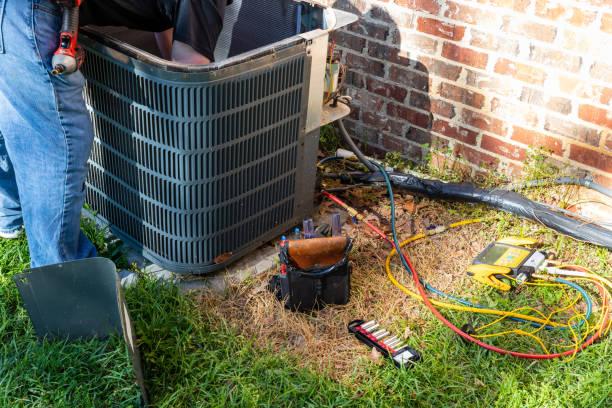
Your AC cuts out on the hottest afternoon of the year. Or the heat stops working at midnight in January. Either way, it's a terrible feeling, and most people have no idea what actually went wrong. Was it something they could have prevented? Is it a quick fix or a full replacement? Those questions matter, because guessing wrong costs money. If you're in South Florida and need answers fast, finding reliable HVAC Repair in Pompano Beach FL is step one. But understanding why the system failed in the first place is what stops it from happening again three months later.
The Big Mechanical Failures Most People Don't See Coming
Compressor failure is probably the most expensive thing that can go wrong with a cooling system. The compressor is what actually moves refrigerant through the system. When it fails, nothing cools. Period. It usually doesn't die overnight though. It gives warning signs for weeks: the unit runs longer than it used to, it struggles to hit the set temperature, or it makes a grinding or clicking sound when it starts up. Most homeowners ignore those signs until the whole thing quits.
Capacitors are a smaller, cheaper part, but they fail constantly, especially in hot climates. They're the components that give the motor a jolt of power to start and keep running. A bad capacitor makes the fan or compressor hum, click, and then give up. The good news is that a capacitor replacement is usually a quick fix if a tech catches it early. The bad news is that running a system with a failing capacitor long enough will burn out the motor it was supposed to protect.
Refrigerant leaks are sneaky. The system doesn't dump refrigerant all at once. It bleeds out slowly through tiny cracks or loose fittings. You'll notice the air coming out of vents isn't as cold as it used to be, or ice starts forming on the copper lines outside. Low refrigerant forces the compressor to work harder than it should, and that's how you turn a small leak into a compressor replacement. According to the EPA's refrigerant management guidelines, refrigerant handling must be done by certified technicians, so this isn't a DIY job.
Skipped Maintenance Is Behind Most Emergency Calls
Here's something most repair techs will tell you honestly: the majority of breakdowns they respond to were preventable. Not sometimes. Most of the time. A system that gets a tune-up once a year, has its filters changed regularly, and gets its coils cleaned will almost never fail out of nowhere. The ones that do fail out of nowhere are almost always the ones where the last service call was three or four years ago.
Neglect builds up. Dust coats the evaporator coil. The condensate drain clogs with algae. Electrical connections loosen from vibration over hundreds of run cycles. None of those things individually kill a system right away, but together they push it toward failure a little faster every month. By the time something breaks, the root cause has usually been sitting there for a long time.
Dirty Filters and Blocked Coils Cause More Damage Than People Realize
A clogged air filter is the single easiest thing to fix on an HVAC system. It's also the thing people skip most often. When airflow gets restricted, the evaporator coil gets too cold and freezes over. Frozen coil means no cooling, even though the system is technically running. Worse, the extra strain on the blower motor can burn it out if you leave it long enough.
Condenser coils sit in the outdoor unit and release the heat pulled from inside your home. They get caked with dirt, grass clippings, and pollen over time. When they can't release heat properly, the system runs hotter and harder than it's designed to. Efficiency drops. Parts wear out faster. This is one of the most common reasons a unit that "seemed fine last summer" suddenly can't keep up with a hot July afternoon.
The fix for both of these is genuinely simple. Change the filter every one to three months depending on your household. Have the outdoor coils cleaned during your annual service. That's really it. Two cheap habits that prevent expensive repairs.
Electrical Problems That Look Like Something Much Worse
Thermostat issues get misdiagnosed all the time. A thermostat that's reading the wrong temperature, losing its connection to the system, or just dying from old age can make a perfectly functional HVAC unit look broken. Before anyone calls for a major repair, it's worth checking whether the thermostat is the actual problem. Swap the batteries. Check the wiring connections at the back. Sometimes that's the whole fix.
Wiring faults and control board failures are a step up in complexity, but they're still not the catastrophic breakdowns they feel like at 11pm when nothing's working. Loose wires from vibration, corroded terminals, or a control board that's fried from a power surge can shut the whole system down. A good tech will diagnose these in under an hour. If you're in the area, Corbin HVAC is one option people use for exactly this kind of diagnostic work, especially when the problem isn't obvious.
The mistake most people make is assuming that because the system won't turn on at all, something major must be wrong. Sometimes it's a tripped breaker. Sometimes it's a blown fuse on the disconnect. Check the simple stuff first before panicking.
What to Do Right After Your HVAC Stops Working
First, don't keep cycling the system on and off trying to get it to start. That can cause more damage, especially if there's already a mechanical issue with the compressor or motor. Turn it off. Leave it off.
Then run through the basics. Check the thermostat settings and batteries. Look at the breaker panel and reset anything that's tripped. Check the filter and replace it if it's clogged. Look at the outdoor unit and make sure nothing is blocking it or sitting on top of it. These take five minutes and occasionally solve the problem entirely.
If none of that works, call a professional. Seriously. Trying to diagnose refrigerant issues, electrical faults, or capacitor failures without training and proper tools is how small problems become expensive ones. Professional HVAC Repair in Pompano Beach FL covers all of these scenarios, and a qualified tech will usually be able to tell you exactly what failed and why within the first visit. Getting that diagnosis early is almost always cheaper than waiting another week.
Watch for these warning signs before a full breakdown happens: the system runs constantly without hitting the set temp, you hear new sounds like grinding or rattling, the air coming from vents smells musty or burnt, your electric bill jumps without explanation, or the unit is short-cycling (turning on and off every few minutes). Any one of those is a reason to call someone before it turns into an emergency.
Frequently Asked Questions
How do I know if my HVAC problem is something I can fix myself?
Some things are genuinely DIY-friendly. Changing a filter, resetting a breaker, replacing thermostat batteries, and clearing debris from around the outdoor unit are all safe to do yourself. Anything involving refrigerant, electrical wiring inside the unit, or mechanical components like the compressor or blower motor should go to a professional. The line is basically: if it involves opening the unit or handling chemicals, don't do it yourself.
Why does my AC keep freezing up?
Usually it's one of two things. Either airflow is restricted (dirty filter, blocked vents, or a failing blower motor) or refrigerant is low. Both cause the evaporator coil to get too cold and ice over. When that happens, turn the system off and let it thaw completely before running it again. Then figure out which problem caused it before you restart.
How often should I have my HVAC system serviced?
Once a year at minimum. Twice a year is better if you're running the system hard in a hot climate. In South Florida, that means most households should be looking at spring and fall tune-ups. Don't skip it. A service call costs a fraction of what a compressor or motor replacement runs.
What's the average lifespan of an HVAC system?
A well-maintained system typically lasts 15 to 20 years. One that's been neglected might start having serious problems at 8 to 10 years. Regular maintenance is genuinely the biggest factor. It's not just age that kills HVAC systems, it's neglect piling up over time.
When should I replace instead of repair?
The general rule of thumb is: if the repair cost is more than half the cost of a new system and the unit is already over 10 years old, replacement usually makes more financial sense. Also factor in efficiency. Older systems use significantly more electricity than newer ones, so a replacement sometimes pays for itself faster than you'd expect.
The bottom line is that most HVAC failures don't come out of nowhere. They build up slowly from skipped maintenance, ignored warning signs, and small problems that never got fixed. Catch them early, keep up with basic upkeep, and call a qualified tech the moment something feels off. That's how you keep the system running and avoid the worst repair bills.

 Arabic
 French
 Spanish
 Portuguese
 Deutsch
 Turkish
 Dutch
Dutch
 Italiano
 Russian
 Romaian
 Portuguese (Brazil)
 Greek
Greek